Culture news and discussion on TalkFuse.
“Any band that reaches into the darkness to push boundaries are by definition progressive. That certainly applies”: They were regarded as synth-pop or new wave, but we say they’re prog. So do members of Marillion, Porcupine Tree and No-Man
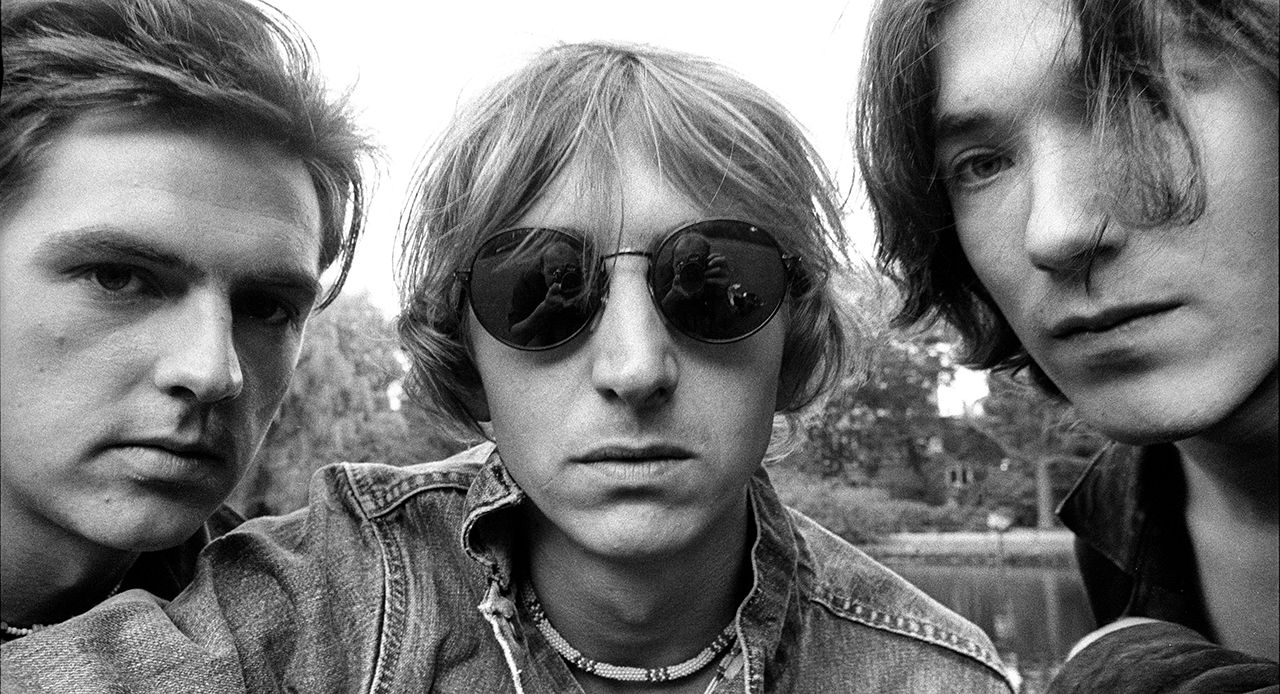
The music magazine Louder revisits a long-running debate over whether English band Talk Talk, often filed under synth-pop or new wave, actually belong within the progressive rock canon. The piece matters to fans of the genre because it reassesses the legacy of a band whose later work moved far beyond their pop origins, arguing their willingness to "reach into the darkness" and push musical boundaries makes them progressive by definition, and highlighting their influence on acknowledged prog acts.
The article draws on musicians from Marillion, Porcupine Tree and No-Man to make the case, including Marillion vocalist Steve Hogarth, who cites Talk Talk alongside The Blue Nile and Japan as one of three 1980s bands that "defined how music could be arranged." It traces the band's evolution from their 1981 support slot with Duran Duran and 1982 debut album The Party's Over, fronted by the late Mark Hollis, through to 1986's The Colour Of Spring, which marked their shift towards the more experimental, atmospheric sound that later inspired acts such as White Willow.
In short
- Louder revisits whether Talk Talk should be classed as progressive rock.
- Members of Marillion, Porcupine Tree and No-Man back the case.
- Steve Hogarth cites Talk Talk as one of the defining 1980s bands.
Steelman: both sides, in good faith
The strongest fair case each way — we don't pick a winner.
The case for
Talk Talk's trajectory from pop success to increasingly experimental, atmospheric and unconventional soundscapes represents the very spirit of artistic progression that defines progressive rock. Their willingness to abandon commercial expectations, reshape studio arrangements, and venture into darker, more complex territory—as evidenced by albums like The Colour Of Spring—demonstrates the core values of the genre: evolution, innovation and refusal to remain within commercial constraints. That acknowledged progressive acts cite them as influential and formative proves their relevance within a tradition that celebrates artistic integrity over genre boundaries.
The case against
Whilst Talk Talk's later work is undeniably experimental and sophisticated, meaningful genre classification serves important purposes beyond sentiment. Talk Talk's sound evolved from and remained rooted in the synth-pop and post-punk traditions rather than the distinct sonic and historical lineage of progressive rock proper. Experimental ambition alone does not constitute progressive rock; other frameworks—art rock, post-rock, experimental pop—may more accurately describe their evolution. Expanding the term to encompass all boundary-pushing music risks diluting its coherence and obscuring the distinct traditions that make genre categories useful for understanding musical history.
Explained simply
Talk Talk were an English band that became well-known in the early 1980s as synth-pop and new wave artists. A long-running discussion exists about whether they should instead be classified as progressive rock, given how their music evolved and challenged musical conventions.
The band started with a more commercial pop sound but gradually moved towards experimental, atmospheric music as the decade progressed. Their willingness to explore unconventional arrangements and darker musical territory had significant influence on artists who would later be recognised as progressive rock acts.
How music is categorised affects how artists are understood by audiences and critics, and which later musicians are inspired by their work. Reassessing Talk Talk's place within the progressive rock tradition is therefore significant to how their legacy is appreciated and their influence is recognised within the music community.
Art Culture Entertainment Music