Science news and discussion on TalkFuse.
Meteorite that crashed into NJ home holds building blocks of life, scientists say
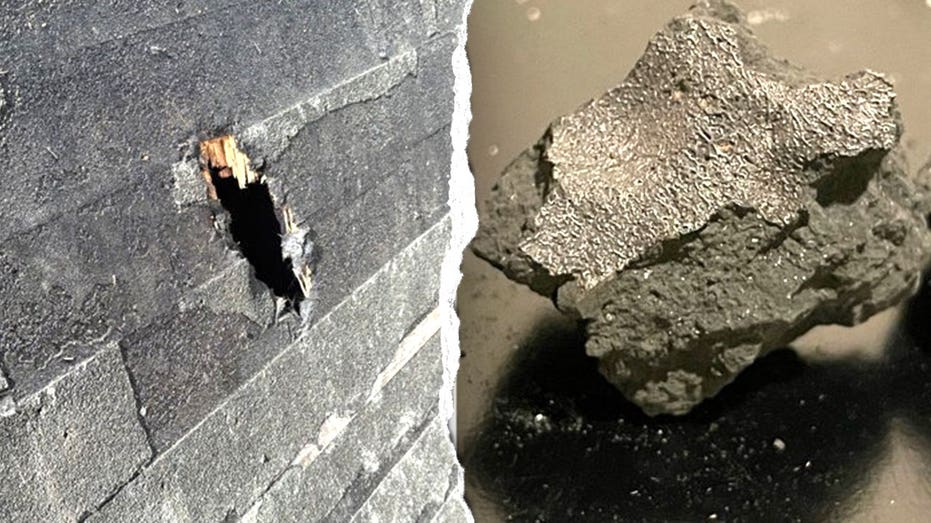
A meteorite that smashed through the roof of a home in Hillsborough, New Jersey, two years ago has been found to contain amino acids, the fundamental building blocks of life, according to scientists who examined the rock. Researchers say the specimen is among the rarest types of meteorite ever recovered, making the discovery significant both for its rarity and for what it could reveal about the chemical ingredients present in the early solar system.
The meteorite struck the New Jersey property in a dramatic fall that punched through the roof before being retrieved and studied by scientists. Analysis of its composition revealed organic compounds associated with the origins of life, adding it to a small group of meteorites known to carry such material and offering researchers fresh material to study how life's precursors may have arrived on Earth.
In short
- Meteorite hit a New Jersey home's roof two years ago
- Scientists found amino acids, life's building blocks, inside
- It ranks among the rarest space rocks ever recovered
Explained simply
A meteorite is a rock from space that falls to Earth. Two years ago, one crashed through the roof of a home in Hillsborough, New Jersey. Scientists have since examined this rock and found it contains something of major scientific significance.
The meteorite contains amino acids, which are the chemical building blocks that make up all living things. Very few meteorites ever found on Earth have been discovered to carry these compounds, making this rock exceptionally rare. It provides researchers with fresh material to study how the ingredients needed for life may have arrived on our planet.
The discovery matters because it helps scientists understand the early solar system and the origins of life on Earth. By studying meteorites, researchers can learn whether the chemical ingredients that life requires came to our planet from space or developed here on their own. This meteorite is particularly important for research because of its rarity and composition.