Police block thousands of ‘cockroach’ protesters marching on India’s parliament
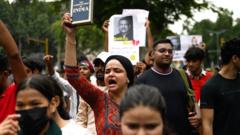
Thousands of supporters of the youth-led Cockroach Janta Party (CJP) movement defied a police ban in Delhi on Monday, attempting to march on India's parliament to demand the resignation of the education minister. Police used tear gas and baton charges to disperse the crowds, injuring several demonstrators, in one of the most visible displays of public dissent against Prime Minister Narendra Modi's government in recent years.
The protests, which grew out of weeks of anger over alleged exam paper leaks and wider grievances about the education system, gathered fresh momentum after activist Sonam Wangchuk was forcibly hospitalised by police on the 21st day of a hunger strike; his fast reportedly continues. Tens of thousands gathered at Jantar Mantar despite heavy rain, and although demonstrators were repeatedly halted at barricades, some clashes occurred and mobile internet was suspended in parts of central Delhi. A volunteer doctor said at least ten people had been treated for injuries, including a suspected broken leg, while parliament's monsoon session was itself disrupted by opposition MPs protesting over the exam leak allegations.
- CJP protesters clashed with police marching on India's parliament
- Police used tear gas and baton charges; several injured
- Movement grew after activist Sonam Wangchuk's forced hospitalisation
Both sides, in good faith
The strongest fair case each way — we don't pick a winner.
The case for
Advocates for the protesters argue that peaceful assembly and petitioning parliament are fundamental democratic rights, and that young people frustrated by stalled education reforms have few other means to make their grievances heard by those in power. They contend that banning the march risks silencing legitimate dissent and that any heavy-handed policing response only underscores the urgency of addressing students' concerns rather than suppressing them.
The case against
Those who back the police response argue that maintaining order and security around a national parliament is essential, particularly when large crowds converge on sensitive government sites where safety risks and potential for disorder are real concerns. They contend that lawful restrictions on the location or manner of protest are a reasonable exercise of public authority, intended to protect both demonstrators and the public rather than to deny anyone's underlying right to be heard through proper channels.