Entertainment news and discussion on TalkFuse.
The 1987 movie that made Steven Spielberg fall out with his directing hero: “It would be a big mistake”
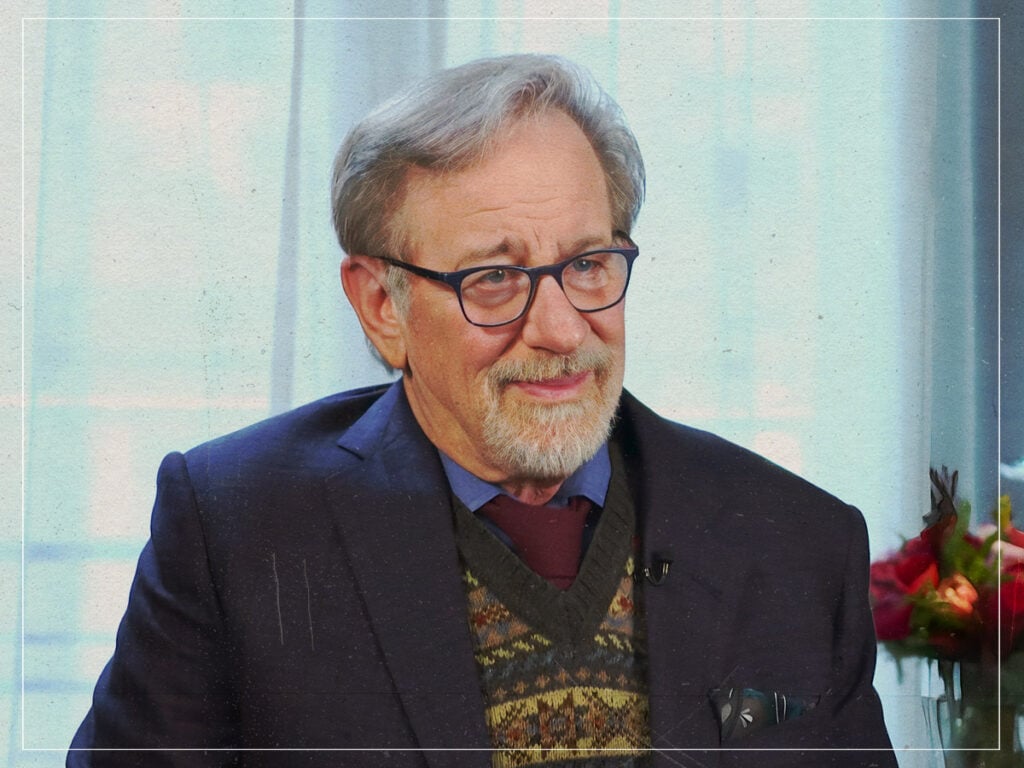
Steven Spielberg long admired David Lean, frequently praising Lawrence of Arabia as a masterpiece. When Lean originally planned to direct Empire of the Sun in 1987, Spielberg was set to produce. After Lean withdrew, Spielberg assumed the directing role and reciprocated by committing to produce Lean's next project, an adaptation of Joseph Conrad's Nostromo, viewing it as a chance to support his filmmaking hero.
Conflict emerged once production began. Spielberg, following standard Hollywood producer practice, offered creative notes on story and direction. Lean—a seasoned auteur who had spent decades fiercely protecting his artistic vision—interpreted these suggestions as unwelcome interference from a younger filmmaker. What Spielberg intended as collaborative input quickly became a source of friction, ultimately damaging the professional relationship between the admirer and his once-revered mentor.
In short
- Spielberg took over directing Empire of the Sun (1987) when Lean withdrew, then agreed to produce Lean's next project, Nostromo
- Spielberg's creative notes during Nostromo's development clashed with Lean's protective independence, damaging their relationship
Steelman: both sides, in good faith
The strongest fair case each way — we don't pick a winner.
The case for
Spielberg was performing a standard producer's role by offering creative input to improve the film. As someone investing resources and expertise in supporting his hero's project, he was attempting to be collaborative and helpful. Producer notes on story and direction are routine in Hollywood practice, and Spielberg's intention was constructive, not controlling.
The case against
Lean was an acclaimed auteur with decades of proven mastery who had always fiercely guarded his artistic independence. As director, he had the right to expect full creative autonomy without intervention from even a well-meaning producer. For a filmmaker of Lean's stature and temperament, notes from a younger producer—however well-intentioned—could reasonably be experienced as unwelcome interference rather than collaboration, particularly when he valued sole directorial control as essential to his vision.
Explained simply
Steven Spielberg and David Lean were filmmakers of different generations. Spielberg deeply admired Lean's work, particularly Lawrence of Arabia, which he considered a masterpiece. When the opportunity arose for them to work together, Spielberg saw it as a chance to collaborate with his hero.
The two initially planned to work on Empire of the Sun in 1987, with Lean directing and Spielberg producing. When Lean withdrew from the project, Spielberg took on the director's role himself. To maintain their partnership, Spielberg agreed to produce Lean's next film, an adaptation of Joseph Conrad's novel Nostromo.
The collaboration became strained once production began. Spielberg, following standard Hollywood practice, offered creative suggestions about the story and direction. Lean, a veteran filmmaker accustomed to complete creative control over his work, viewed these notes as unwelcome interference rather than helpful input. The difference in their approach to filmmaking ultimately damaged their professional relationship.