Business news and discussion on TalkFuse.
Johnson has three-word answer on whether House will leave early
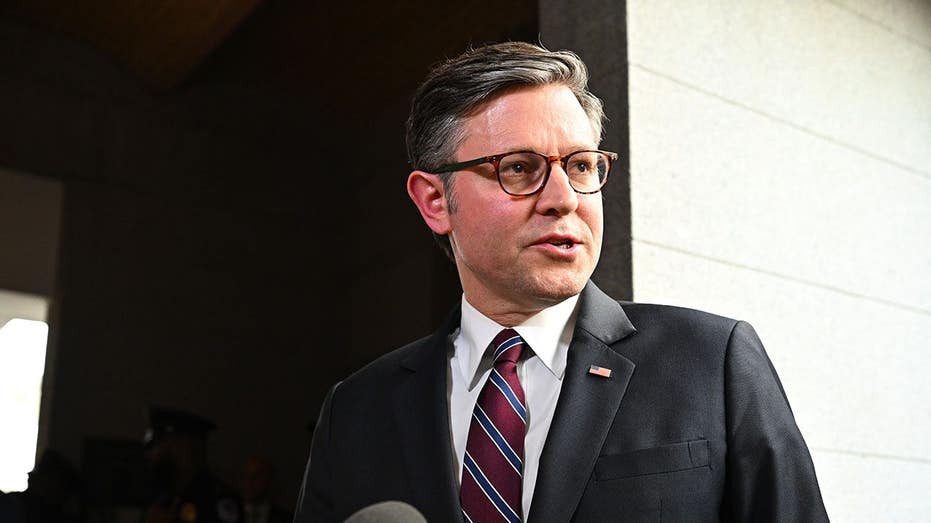
House Speaker Mike Johnson has said Republicans will not leave Washington for the August recess until they complete a heavy end-of-week workload, despite doubts over whether the party can secure enough votes to advance key legislation. This matters because it signals Johnson's determination to push through contentious fiscal measures even amid internal GOP divisions, potentially delaying lawmakers' summer break if agreement proves difficult.
The outstanding items include a procedural vote to open debate on a stopgap government funding measure, a $95 billion budget framework, and the annual defence policy bill. Asked directly by Fox News on Monday whether the House would adjourn early if talks stalled, Johnson gave a firm three-word reply: "I will not."
In short
- Johnson insists House stays until funding and defence bills pass
- Facing test votes on stopgap funding and $95bn budget plan
- Annual defence policy bill also pending before recess
Steelman: both sides, in good faith
The strongest fair case each way — we don't pick a winner.
The case for
Those supporting Johnson's stance argue that government funding, defence policy, and budgetary measures are essential national governance priorities that cannot be deferred when votes are available. Congress's duty is to pass necessary legislation, and summer recesses are discretionary. A Speaker who remains resolute despite difficulties upholds institutional responsibility to the public. Abandoning these measures because internal agreement proves challenging would set a troubling precedent where legislative will bends to factional pressure rather than principle.
The case against
Critics contend that forced votes when substantial party divisions exist often produce poor outcomes and breed resentment among reluctant members. Strategic flexibility—allowing lawmakers to return refreshed and permitting negotiators genuine time for compromise—is more likely to produce durable legislative victories than coercive tactics. Leadership sometimes means knowing when to step back and regroup, recognising that consensus built through persuasion produces better governance than victory achieved through pressure when votes remain uncertain.
Explained simply
House Speaker Mike Johnson has insisted that the House will remain in session through the end of the week to complete outstanding legislative business, rather than leaving early for the summer break. Republicans face a demanding schedule before August.
Three major bills must be addressed: a procedural vote to open debate on temporary government funding, a $95 billion budget proposal, and the annual defence policy bill. There are doubts within the GOP about whether the party can secure enough votes to advance these measures, but Johnson has made clear his determination to see the work completed.
The standoff reflects internal Republican divisions over fiscal policy and concerns about party unity on key legislation. Johnson's position signals his resolve to push through the party's legislative agenda despite these uncertainties, even if doing so extends the session beyond the originally planned recess.
Business Elections Markets Politics World