Bumblebees are struggling in UK heatwaves – but you can help them
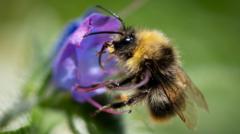
New analysis shared with the BBC suggests UK bumblebee populations could suffer significant declines as heatwaves become more frequent and intense due to climate change. The findings, drawn from the Bumblebee Conservation Trust's long-running BeeWalk monitoring scheme, show that bumblebees are physiologically ill-suited to extreme heat, since their furry, round bodies and heat-generating flight muscles help them cope with Britain's traditionally cool climate but leave them prone to overheating and dying in hot conditions. This matters because bumblebees are vital pollinators for both wild plants and food crops.
Data from the record-breaking heatwaves of 2022, when temperatures reached 40.3C, showed sharp population drops for common species, with red-tailed, buff-tailed and common carder bumblebees down 20%, 25% and 35% respectively at their peak, and effects lingering into below-average queen numbers the following spring. Experts explain that bumblebees begin struggling to fly once air temperatures hit around 28-32C and can die if their body temperature exceeds 40C, while extreme heat and drought also dry up the flowers they rely on for nectar and pollen. Conservationists say the situation is not hopeless, however, and recommend that people help by planting flower-rich habitats, such as meadows, hedgerows and late-flowering crops, to ensure bees have food throughout the summer.
- Bumblebee numbers fell sharply after the record 2022 UK heatwaves.
- Extreme heat and drought make bees overheat and reduces their food supply.
- Public can help by planting flower-rich habitats for bees.