World news and discussion on TalkFuse.
Top media networks put on notice after refusing to air Trump’s primetime address: ‘Serious concerns’
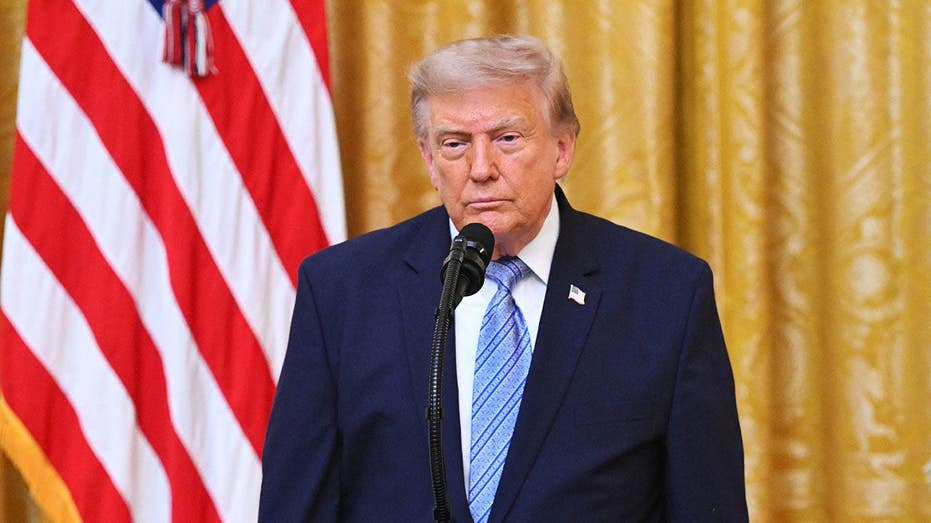
A US congressman has asked the Federal Communications Commission to review decisions by ABC, NBC and CBS not to broadcast, or to cut away from, President Donald Trump's primetime address. Republican Representative Buddy Carter of Georgia raised the matter in a letter to the FCC chairman, arguing the networks' choices warrant scrutiny. The move escalates tensions between the Trump administration and major broadcasters over coverage of the president's public addresses.
The address in question was delivered on 16 July, with the letter to the FCC sent the following Monday and first obtained by Fox News Digital. Trump himself used part of the speech to criticise ABC and NBC directly for declining to air it. The dispute reflects a broader, ongoing friction between the White House and mainstream media outlets over what the administration views as unfair treatment.
In short
- Congressman Buddy Carter asks FCC to review ABC, NBC, CBS broadcast decisions.
- Networks declined to air or cut away from Trump's 16 July address.
- Trump criticised ABC and NBC on-air for not broadcasting the speech.
Steelman: both sides, in good faith
The strongest fair case each way — we don't pick a winner.
The case for
Major broadcasters wield enormous influence over public discourse and reach millions of voters. A sitting president's primetime address is a matter of significant public interest that typically merits substantial coverage. When networks systematically decline to air or interrupt such addresses, it raises legitimate questions about whether editorial standards are being applied consistently or whether different political figures receive different treatment, potentially undermining public confidence in media impartiality.
The case against
News networks possess well-established editorial rights and regularly exercise discretion over programming. Broadcasters routinely decline to air speeches in full, provide fact-checking, or cut away if they assess a speaker is spreading misinformation—a standard journalistic practice. Regulatory scrutiny of such editorial decisions would threaten press freedom; networks must serve audiences through sound editorial judgment rather than offering unconditional platforms to any speaker, regardless of office.
Explained simply
President Donald Trump has sought to deliver primetime addresses during peak evening hours to reach millions of viewers. Major television networks including ABC, NBC and CBS have traditionally broadcast such presidential addresses.
In July, the three networks declined to air or cut away from Trump's primetime address. A Republican congressman subsequently requested that the Federal Communications Commission, the US broadcast regulator, review the networks' decisions.
The incident reflects tensions between the Trump administration and major television broadcasters over coverage decisions. Questions about when networks should broadcast presidential addresses involve considerations about broadcaster decision-making and the relationship between government and news organisations.