UK’s bumblebees are struggling in heatwaves
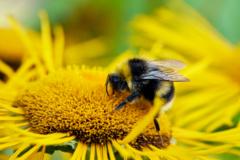
BBC News has reported that the UK's bumblebee populations are being adversely affected by increasingly frequent and intense heatwaves. Bumblebees, which are important pollinators for crops and wild plants, appear to struggle when temperatures rise significantly, raising concerns among scientists and conservationists about the wider knock-on effects for biodiversity and food production as climate change makes hot spells more common.
The report was published as a short video piece in the BBC's Science & Environment section. While the video itself provides visual evidence of bees being affected by heat, specific data such as population decline figures or precise temperature thresholds were not detailed in the accompanying text, with the focus instead on illustrating the phenomenon through footage.
- UK bumblebees are struggling to cope with hotter heatwaves
- Rising temperatures threaten a key pollinator species
- Story highlights growing climate change impact on wildlife
New here? Start with this
The UK is home to around 24 species of bumblebee, insects that play a crucial role in pollinating both food crops, such as tomatoes and beans, and wild flowers. Unlike honeybees, bumblebees are especially sensitive to extreme heat because of their large, furry bodies, which make it harder for them to cool down when temperatures climb.
Heatwaves in the UK have become more frequent and intense in recent years, a trend widely linked to climate change. Scientists and conservation groups have been monitoring how this shift affects wildlife, and pollinators such as bumblebees are seen as a useful early indicator of broader environmental strain, given their sensitivity to weather conditions.
Any decline in bumblebee activity or numbers matters beyond the insects themselves, since pollinators underpin a significant share of food production and support the health of ecosystems more widely. This is why researchers continue to track bee behaviour during hot spells, as it feeds into wider discussions about biodiversity loss and how climate change is reshaping the UK's natural environment.