Culture news and discussion on TalkFuse.
10 Comic Books Deaths That Changed the Medium Forever
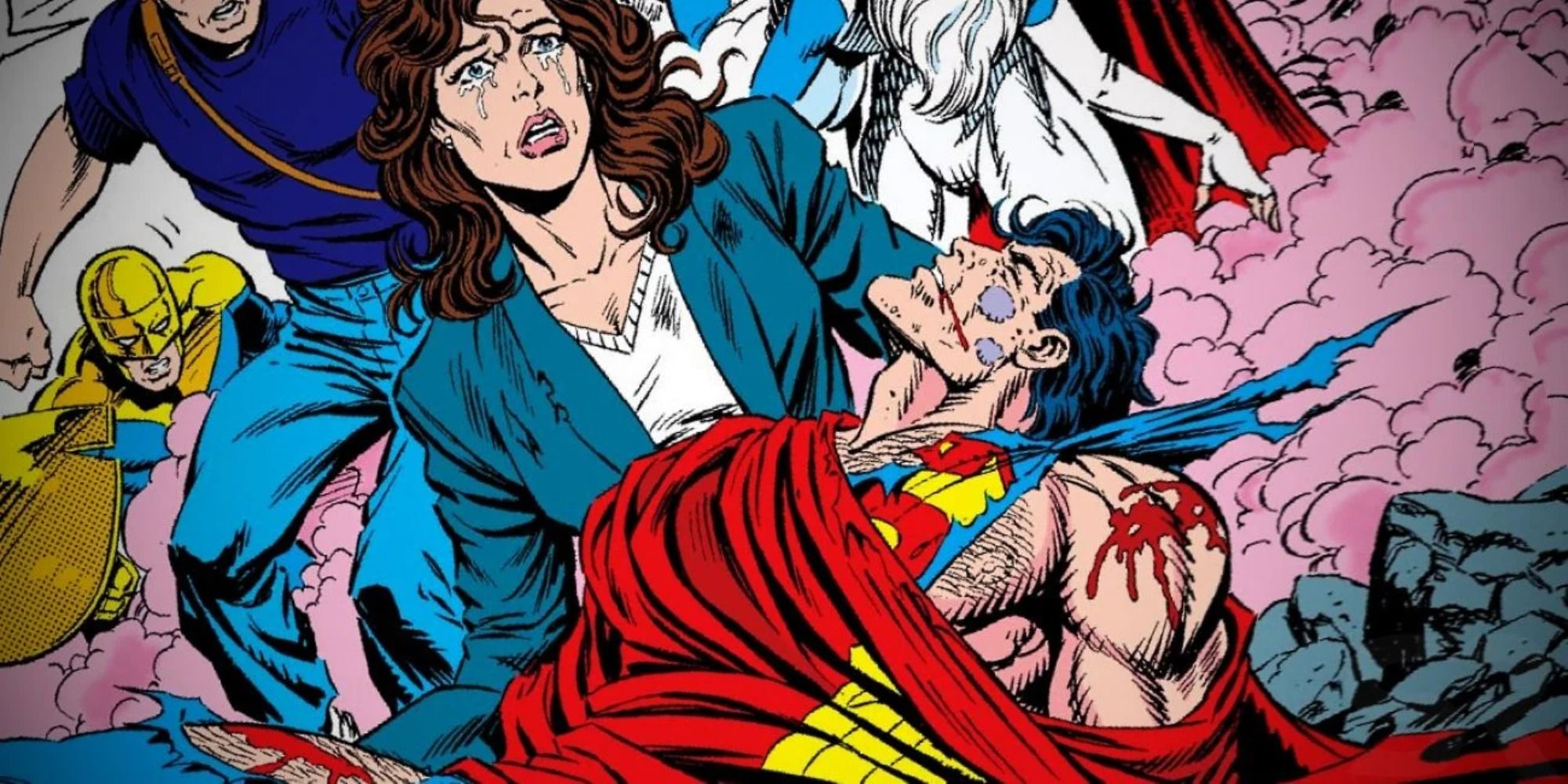
This Collider feature rounds up ten comic book deaths that the writer argues genuinely reshaped the medium, rather than being reversed or used purely for shock value. It distinguishes these from widely known deaths like Uncle Ben's, focusing instead on moments that altered a character's world or the industry's approach to storytelling and violence.
Highlighted examples include Superman's 1993 death fighting Doomsday, which introduced four temporary replacement heroes and proved even DC's most invincible character could die; Mar-Vell's death from cancer, notable for showing a superhero could be killed by something as mundane as illness rather than a battle; and Alexandra DeWitt's murder in 1994's Green Lantern #54, whose graphic nature prompted writer Gail Simone to launch a website critiquing the trope of violence against women in comics, a debate that spread well beyond the industry.
In short
- Collider lists ten comic deaths that reshaped storytelling, not just shocked readers.
- Superman's 1993 Doomsday death led to four temporary replacement heroes.
- Green Lantern's Alexandra DeWitt death sparked Gail Simone's "women in refrigerators" critique.
Explained simply
Comic books have featured character deaths for decades, often using them as temporary plot devices that are eventually reversed. However, some deaths prove genuinely significant, producing lasting consequences that reshape both individual characters and the medium itself.
A feature examines ten such deaths, distinguishing them from widely known ones that proved merely shocking or temporary. Instead, it focuses on moments that permanently altered a character's circumstances or influenced how the industry approaches storytelling and violence.
Superman's 1993 death whilst fighting Doomsday demonstrated that even DC's most invincible hero could die, introducing replacement characters and transforming the mythology. Mar-Vell's death from cancer showed that superhero characters could face mortality from ordinary illness rather than battles. A 1994 Green Lantern storyline's graphic depiction of violence against a female character prompted industry-wide discussions about how comics portray harm against women.