How do you bounce back from making the worst smart glasses of 2025?
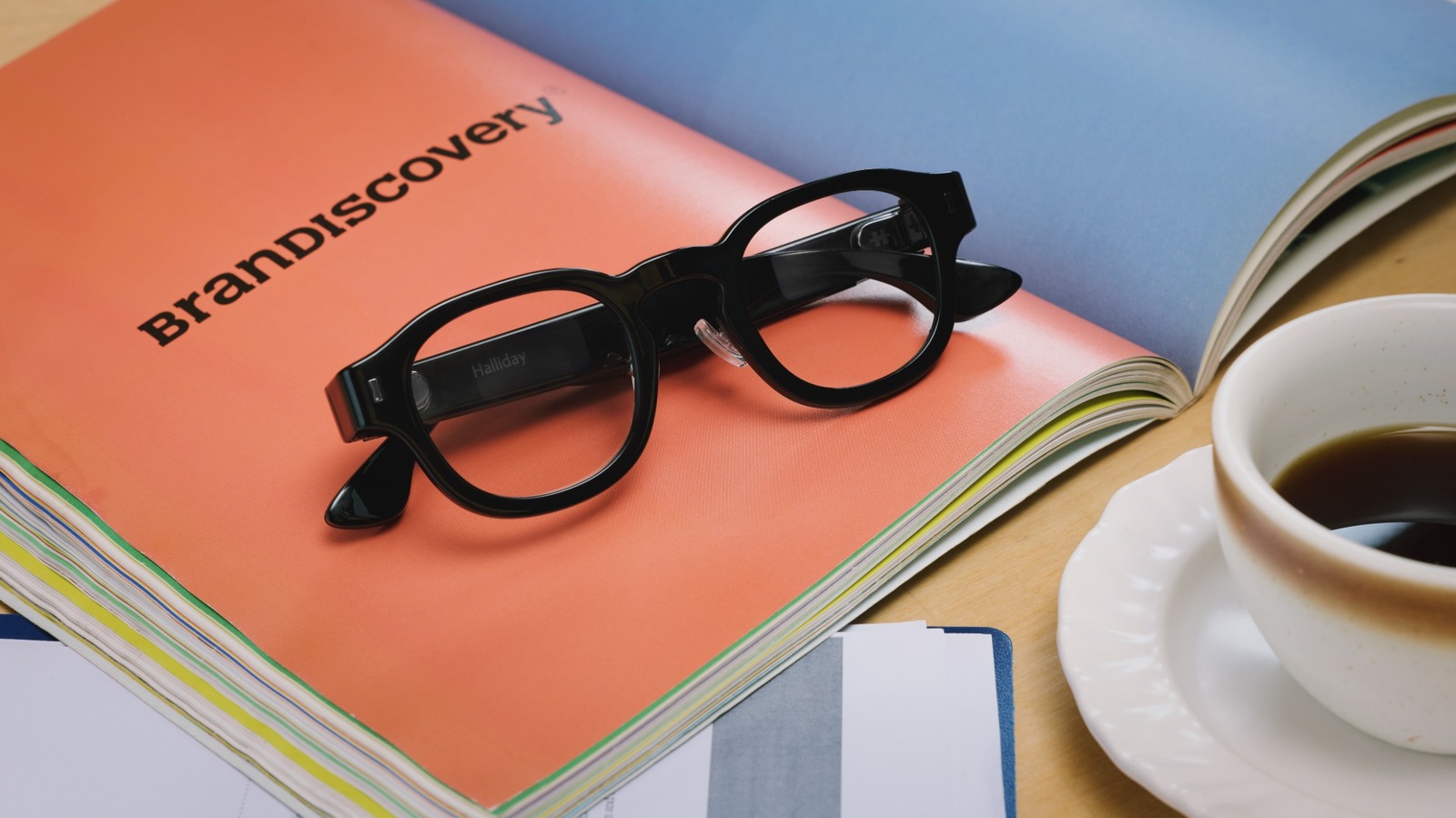
Halliday, whose first smart glasses were widely criticised as among the worst devices of 2025, is preparing a second-generation model in an attempt to rebuild consumer trust. CEO Carter Hou has acknowledged "many mistakes" in the original design and detailed how the new Halliday G2 addresses the most heavily-panned flaws, including its display technology, hardware quality and manufacturing process.
The original glasses used a "DigiWindow" microLED display projecting text near the eye, which reviewers found nearly unreadable, and suffered from poor audio, unreliable manufacturing and insufficient testing before launch. The G2 switches to waveguide lenses in both eyes for a wider field of view, adds prescription-ready lenses, improves audio to a standard Hou compares to Meta's glasses, and offers a 12-hour battery. It retains the absence of a camera, replaces the troublesome USB-C charging port with a pogo-pin charging clip, and comes from a rebuilt engineering team with more experienced supply chain management.
- Halliday's first smart glasses were panned as 2025's worst
- New G2 model uses waveguide lenses instead of flawed DigiWindow display
- CEO admits past mistakes; improved audio, battery and manufacturing promised