Video games news, releases, esports and culture — all the biggest gaming stories in one place.
MSI Claw 8 EX AI+ CG3EM review
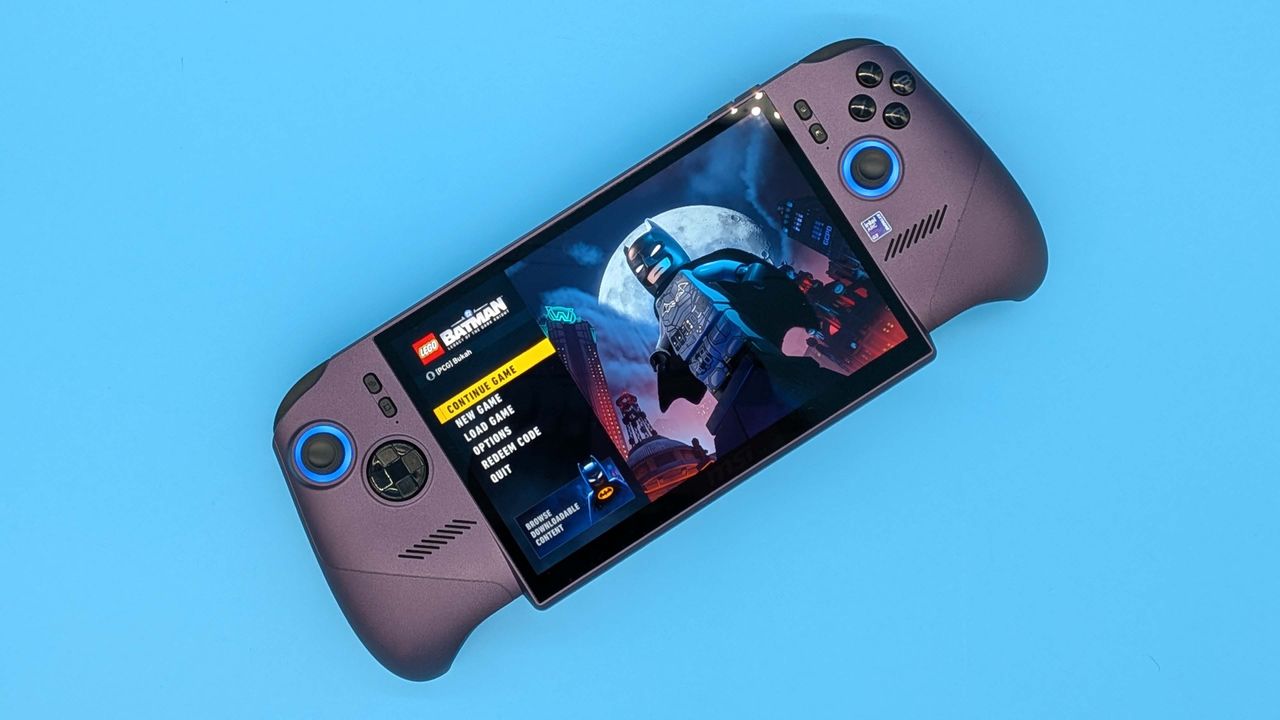
The MSI Claw 8 EX AI+ CG3EM achieves exceptional technical performance as a gaming handheld, surpassing competitors like the ROG Ally X whilst offering outstanding battery endurance and usability. Its processing power and battery life represent genuine advances in portable gaming hardware capabilities.
However, the device's near-$2,000 launch price creates a fundamental problem for the category. The reviewer argues handheld gaming systems should complement desktop setups affordably, not serve as exclusive luxury items for high-income buyers. This pricing reflects current memory and component supply pressures rather than justified premium features, and stands in sharp contrast to the Steam Deck's successful market strategy of balancing power with accessibility.
In short
- MSI Claw 8 EX AI+ delivers the best gaming handheld performance available with excellent battery life and comfort
- A near-$2,000 price tag severely limits accessibility and contradicts the handheld market's core value proposition
- High cost reflects broader memory and hardware supply constraints rather than justified premium positioning
Steelman: both sides, in good faith
The strongest fair case each way — we don't pick a winner.
The case for
Premium pricing in consumer electronics reflects genuine development and component costs whilst allowing healthy market segmentation where consumers choose their preferred balance of price and performance. Early adopters have historically paid more for cutting-edge capabilities; those prioritising maximum performance and battery endurance can pay for it, others can select affordable alternatives, and innovation at the premium tier eventually benefits the broader market through advancing the category.
The case against
Handheld gaming devices have succeeded commercially by offering accessible, complementary experiences to desktop gaming rather than serving as exclusive luxury purchases. The Steam Deck demonstrated that market leadership comes through balancing genuine performance with reasonable pricing; positioning at nearly £2,000 abandons this proven strategy and contradicts the category's foundational value proposition of democratising portable gaming regardless of income level.
Explained simply
Handheld gaming systems let people play video games on the move, rather than being tied to a home setup. These devices have become significantly more powerful in recent years, with manufacturers competing to deliver performance comparable to traditional gaming consoles.
The market includes several major players, such as Valve with the Steam Deck, Asus with the ROG Ally series, and MSI with the Claw range. The most successful handhelds have positioned themselves as affordable complements to existing gaming setups rather than as luxury items only wealthy consumers can afford.
Pricing is crucial to this category because it shapes what role these devices play in someone's gaming life. An affordable price encourages wider adoption and positions the device as a casual gaming option, whilst a high price limits the audience to wealthy buyers and changes the handheld's purpose within someone's overall gaming setup.