Video games news, releases, esports and culture — all the biggest gaming stories in one place.
Redditor uses ‘ticking time bomb’ vial of gallium to stop their GPU sagging
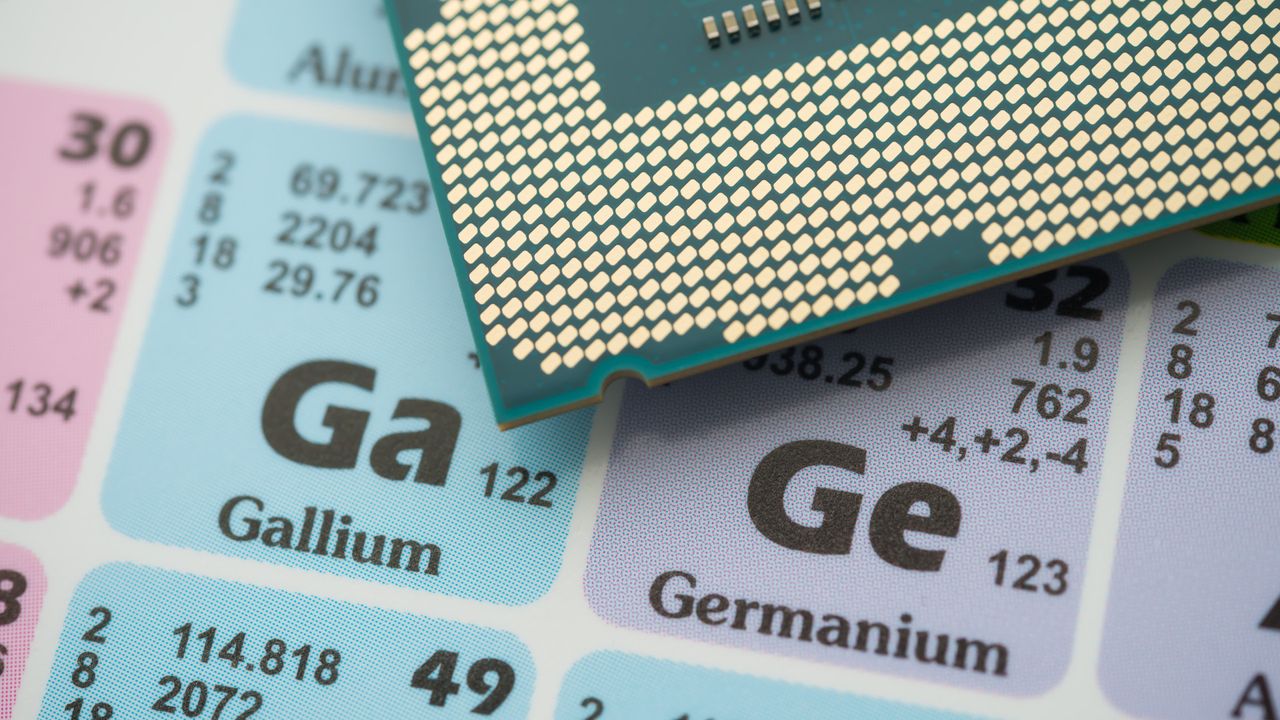
A tech enthusiast on Reddit addressed the common problem of graphics card sag by using gallium metal sealed in a plastic vial as a counterweight beneath the card. They described the improvised solution as serving dual purposes—functioning as both a temperature indicator and an experimental anti-sag device—while openly acknowledging its risky nature.
The approach poses serious hazards because gallium becomes liquid at room temperature and can corrode metals like aluminium, meaning any container breach would expose delicate PC components to corrosive material. Although the user contained the gallium in high-density polyethylene and expressed confidence in its integrity, they recognised the danger inherent in the method. More conventional and reliable alternatives for preventing GPU sag are readily available, including repositioning the card vertically or installing dedicated support brackets.
In short
- A Reddit user employed gallium metal in a sealed vial as an unconventional counterweight to prevent their graphics card from sagging in its slot
- Gallium's extremely low melting point and ability to corrode metals like aluminium make it dangerously unsuitable for use inside a computer
- Safer GPU support solutions exist, such as vertical mounting or conventional support brackets
Steelman: both sides, in good faith
The strongest fair case each way — we don't pick a winner.
The case for
The maker community has long valued transparent experimentation on personal projects, and an informed user who openly documents both the risks and methods whilst working on their own hardware represents healthy hobbyist innovation. The risky approach here, candidly acknowledged by its creator, reflects the spirit of technical curiosity and problem-solving that has historically driven computing forward; restricting such activity stifles the boundary-pushing that generates both learning and genuine breakthroughs.
The case against
Reliable alternatives for GPU sag already exist, making unnecessary adoption of a 'ticking time bomb' approach—one risking corrosive damage if the container fails—unjustifiably hazardous. Public documentation of such unnecessary dangers, despite disclaimers, normalises risky practices amongst less experienced readers who lack the technical depth to properly assess hazards. Responsible technology commentary should discourage solutions creating avoidable risk when straightforward, dependable alternatives are readily available.
Explained simply
A graphics processing unit, or GPU, is the component in a computer that displays images on screen. These cards can be heavy, and may sag or bend downwards within the computer case over time. When this happens, it can strain and damage the connections holding the card in place.
A user on the social news site Reddit attempted to solve this problem by placing gallium metal inside a sealed plastic vial and positioning it beneath their graphics card as a counterweight. Gallium is unusual because it melts at temperatures just above room temperature, which the user thought could serve as a visual temperature indicator. The person acknowledged that their solution was experimental and risky.
The primary concern is that gallium corrodes certain metals like aluminium, which appear throughout computer components. If the vial were to leak, the liquid metal would damage vital electronics. Whilst the user selected a durable plastic container and expressed confidence in its integrity, purpose-built alternatives already exist, such as vertical card positioning or dedicated support brackets.