Entertainment news and discussion on TalkFuse.
What does the next 10 years hold for Pokémon Go? More mechanics, better gyms, and “multi-generational play”
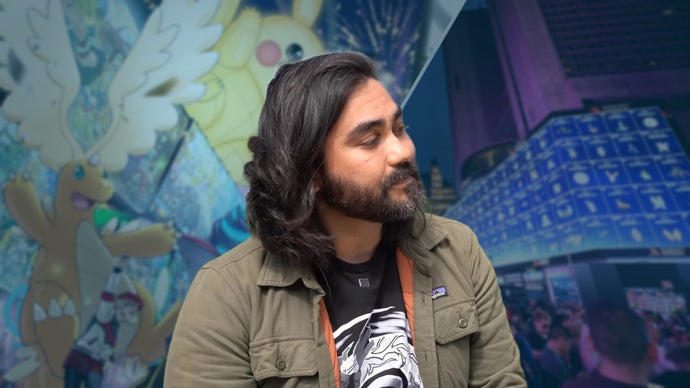
Pokémon Go is marking its 10th anniversary, with the game's development team, now rebranded Scopely Explore following Niantic's $3.5 billion sale of its gaming portfolio to Scopely, setting out plans for the next decade. Speaking at a 10th anniversary event in New York, product veteran Michael Steranka outlined three focus areas: reworking the long-unchanged gyms feature to better unite communities, creating and celebrating more "core memories" through live events and features like Unity Raids, and eventually introducing more core mechanics to support "multi-generational play". The comments come amid reassurances to fans, who had voiced concerns about aggressive monetisation following the ownership change, that the game's fundamentals will remain intact.
Steranka, who spent over eight years as senior director of product on Pokémon Go before becoming Scopely's vice president of product, said the team has been considering the game's future direction "for the past several years". He singled out gyms as holding "untapped potential" despite being largely unchanged since launch, and pointed to the growing community ambassador programme and events, such as the New York anniversary festival that took over Times Square, as evidence of the game's enduring reach a decade after its 2016 debut.
In short
- Pokémon Go turns 10; Scopely Explore reveals decade-ahead development plans
- Gyms to be reworked; team wants more "core memories" via events
- Long-term goal includes new mechanics enabling "multi-generational play"
Steelman: both sides, in good faith
The strongest fair case each way — we don't pick a winner.
The case for
The development team is demonstrating genuine commitment to player experience through concrete actions: addressing gyms as a decade-old frustration, investing in large-scale community events like the Times Square festival, and focusing on 'core memories' rather than purely transactional features. The retention of senior leadership from the original team suggests continuity and stewardship, while multi-generational play represents a thoughtful expansion of the addressable market rather than a scheme to extract money.
The case against
The sale to Scopely, a company with a reputation for aggressive monetisation practices, fundamentally signals a shift toward profit extraction despite reassurances about preserving fundamentals. The sudden urgency around 'untapped potential' in gyms after a decade of inaction, combined with vague promises around new mechanics and multi-generational play, suggests these features will become monetisation vectors. Historical precedent in gaming shows that corporate acquisitions routinely lead to increased monetisation pressure, making near-term reassurances unreliable indicators of long-term direction.
Explained simply
Pokémon Go is a mobile phone game released in 2016 that uses augmented reality and location tracking to let players hunt for and catch Pokémon creatures in the real world. The game became a global sensation and has remained hugely popular over a decade later. Niantic, its original developer, regularly hosts major community events that draw thousands of players to parks and city centres worldwide.
Last year, Niantic sold Pokémon Go and its other games to a company called Scopely in a deal worth $3.5 billion. The sale sparked concerns amongst players that Scopely might make the game more expensive or use aggressive monetisation tactics. Scopely has since reassured the community that the game's fundamental mechanics and free-to-play structure will remain intact.
As Pokémon Go reaches its tenth anniversary, Scopely's development team has now outlined its plans for the coming decade. The announcement provides more detail on how the new owners intend to develop the game while sustaining what makes it popular.