Culture news and discussion on TalkFuse.
Windows 11 Start menu changes trickle into Beta, movable taskbar still MIA
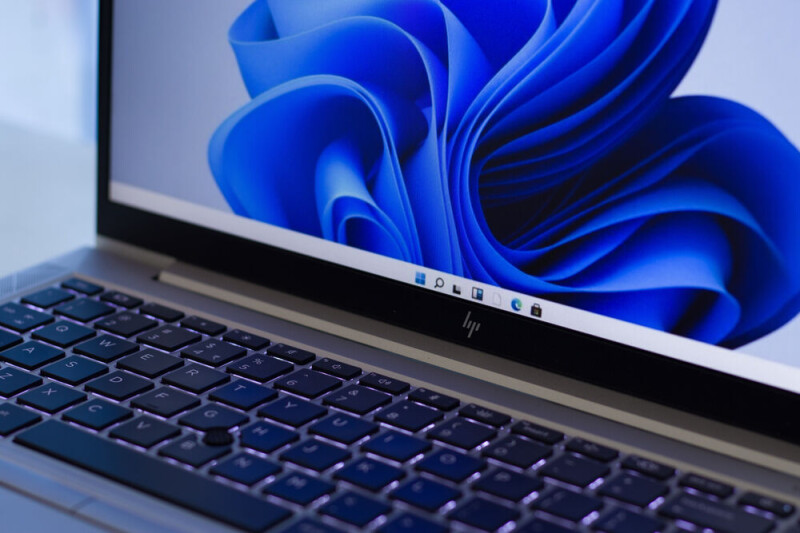
Microsoft is rolling out further redesigned Start menu features to Windows 11 Beta channel Insiders, though a much-requested movable taskbar remains restricted to experimental builds only. The update suggests Microsoft is responding to user feedback, but critics argue that restoring interface options removed years ago matters less than addressing the operating system's rising hardware demands at a time when component prices are increasing.
Build 26220.8925, released to Beta channel Insiders, adds small and large Start menu size options, a rename of the "Recommended" section to "Recent", a redesigned Start menu settings page, and the ability to hide the user's name and picture. The ability to reposition the taskbar to the top or sides of the screen, a feature present in Windows 10 but dropped in Windows 11, was promised by Microsoft in May but has yet to progress beyond experimental testing. Windows 11 requires a minimum of 4GB of RAM compared with Windows 10's 2GB, and commentators suggest a leaner, less resource-hungry OS would benefit users more than cosmetic interface tweaks.
In short
- Windows 11 Beta gains Start menu size and layout options.
- Movable taskbar, promised in May, still not in Beta.
- Critics say reducing system requirements matters more than UI tweaks.
Steelman: both sides, in good faith
The strongest fair case each way — we don't pick a winner.
The case for
UI customization advocates argue that a movable taskbar and Start menu options are fundamental usability features, not mere cosmetics. Users have legitimate needs—whether for accessibility, ultrawide monitors, or workflow preferences—and Microsoft removed these capabilities without justification whilst promising their return. Restoring user choice and responding to consistent feedback demonstrates respect for the user base and acknowledges that interface flexibility matters for millions of people with different requirements.
The case against
Efficiency-focused critics contend that cosmetic interface tweaks pale against the systemic problem of Windows 11 requiring double the RAM of its predecessor at a time of rising hardware costs. Rather than adding features, Microsoft should prioritise a lean operating system that performs well on modest hardware, making the platform accessible to users with older machines or constrained budgets. A more efficient OS benefits everyone materially; taskbar positioning benefits comparatively few, and optimisation should come before embellishment.
Explained simply
Windows 11 is Microsoft's latest operating system, used on most personal computers. The Start menu is the interface that appears when you want to launch programmes, find files, or search, and Microsoft regularly redesigns it as it tries to balance usefulness with a modern appearance.
Microsoft is now updating the Start menu based on user feedback. The changes include options to adjust the menu's size, a redesigned settings page, and the ability to hide your profile picture and name. Users have also requested the return of a feature from Windows 10 that allowed the taskbar—the bar at the bottom of the screen showing open programmes and the time—to be moved to the top or sides, but this capability remains in experimental testing only.
Some critics argue that these interface improvements matter less than a more pressing issue: Windows 11's growing hardware demands. The system requires 4GB of memory compared with Windows 10's 2GB, and with computer component prices currently high, some observers believe Microsoft should focus on making the operating system more efficient rather than redesigning menus.
Art Business Celebrity Culture Entertainment Markets