Fortnite wants to be the new Pokémon with new update
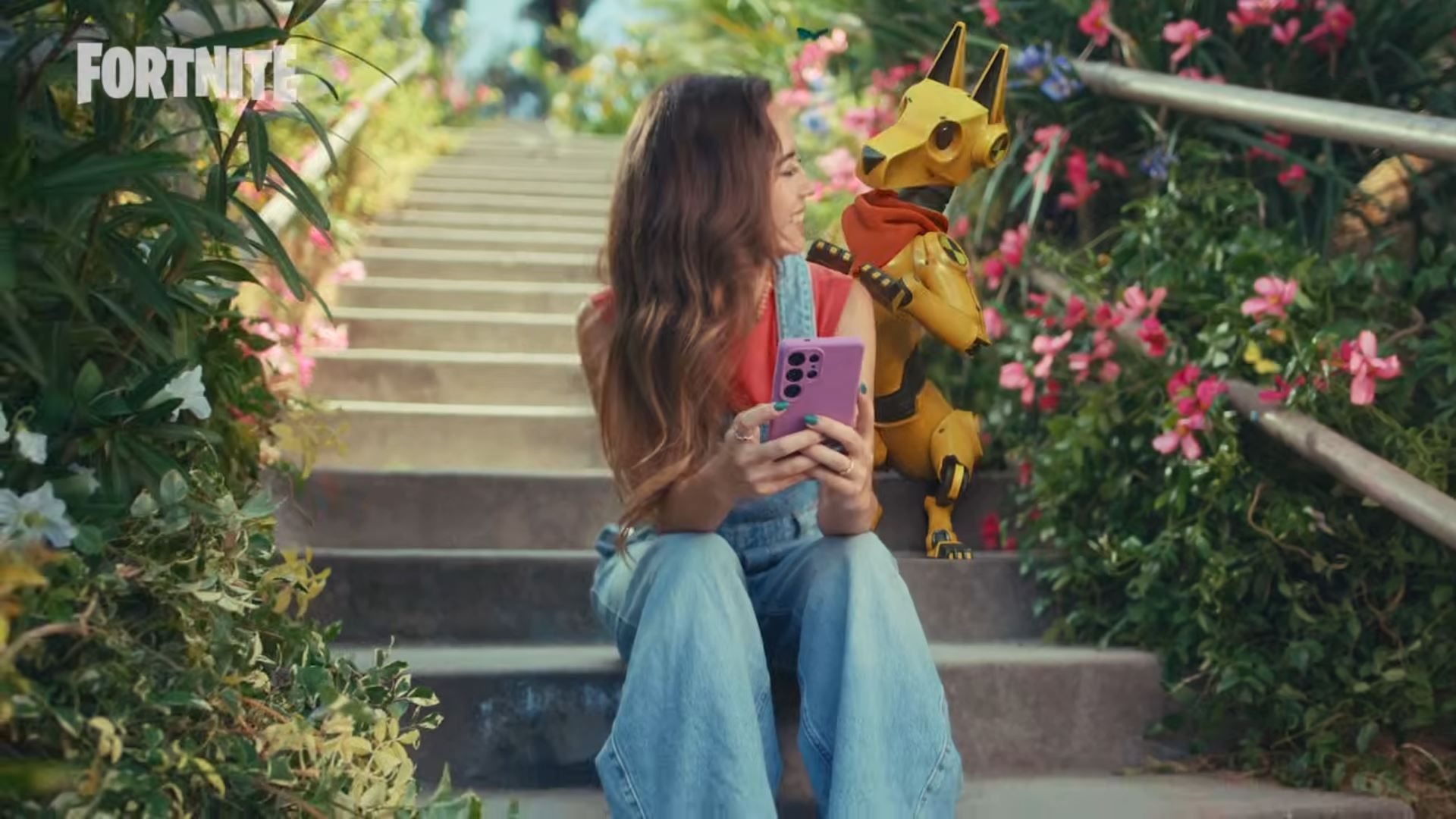
Fortnite is preparing to overhaul its "Sidekicks" feature, the small companion pets and characters that follow players around, turning them from a purely cosmetic addition into an active gameplay element. A new trailer for the upcoming "Cuddles and Chaos Collection" update strongly evokes Pokémon and Pokémon Go, suggesting Epic Games wants to push its battle royale giant into the creature-collecting and monster-battling genre that games like Pokémon and Palworld have popularised.
The update launches on 23 July, alongside new player-made islands built using Unreal Editor for Fortnite tools that let developers turn Sidekicks into scriptable non-player characters for genres such as monster battlers, farming games and creature-collection RPGs. Epic has been deliberately vague on details, but a trailer featuring streamer and conservationist Maya Higa shows a pet-based battle between players, and recent in-game surveys have asked users about their experience with Palworld. Despite Fortnite's recent player surge, driven partly by Pokémon-inspired collectible sprites, the article notes Epic's mixed record sustaining interest in non-Battle Royale modes, with the Roblox-inspired "Steal the Brainrot" currently its biggest hit outside the core game.
In short
- Fortnite's "Cuddles and Chaos Collection" update lands 23 July
- Sidekick companions will become usable in creature-based battle modes
- Trailer and survey hints suggest inspiration from Pokémon and Palworld
Steelman: both sides, in good faith
The strongest fair case each way — we don't pick a winner.
The case for
Advocates of the pivot argue Fortnite has always thrived by absorbing and remixing whatever genre culture is engaged with, and that creature-collecting is a natural, low-risk extension given the game's existing Sidekicks feature and the runaway success of collectible sprites and Palworld-style mechanics elsewhere. They would say giving creators UEFN tools to build monster battlers, farming games and creature RPGs plays to Epic's proven strength as a platform, letting the community rather than Epic alone determine which formats resonate, much as "Steal the Brainrot" emerged organically. For them, chasing Pokémon's audience is simply smart, opportunistic design that keeps a decade-old game feeling fresh.
The case against
Sceptics of the strategy would argue that Fortnite risks diluting its core identity by chasing trends it doesn't originate, pointing to Epic's patchy record sustaining interest in non-Battle Royale modes as evidence that novelty updates often fail to convert curiosity into lasting engagement. They might contend that leaning so heavily on Pokémon and Palworld's visual and mechanical language, rather than building something distinctive, reflects a derivative, market-chasing approach that could confuse the game's identity and disappoint players expecting genuine innovation rather than imitation of a genre already dominated by established rivals.
Explained simply
Fortnite is best known as a battle royale shooter, but its maker, Epic Games, has long added extra modes to keep players engaged, including small companion characters called Sidekicks that follow players around for decorative purposes. Epic is now reworking Sidekicks so they play a real part in the game, taking clear inspiration from Pokémon, the long-running franchise built around collecting and battling creatures, and Palworld, a newer game in the same mould.
The change arrives as part of an update called the Cuddles and Chaos Collection, due on 23 July, and will be paired with tools that let outside developers build their own Fortnite islands featuring these creatures in genres such as farming or monster-battling games. Epic has not given full details of how the new system will work, but promotional material points strongly towards a Pokémon-style experience.
This matters because Fortnite is not just one game but a platform Epic keeps trying to expand beyond its original shooter format, with mixed success in the past. The move also comes as the game has been enjoying a fresh rise in popularity, partly linked to Pokémon-style collectible items already inside it, making the timing of a more direct step into that genre notable.
Entertainment Gaming Software Technology