World news and discussion on TalkFuse.
PlayStation fans are still furious about physical discs, but the data proves Sony is right to kill them
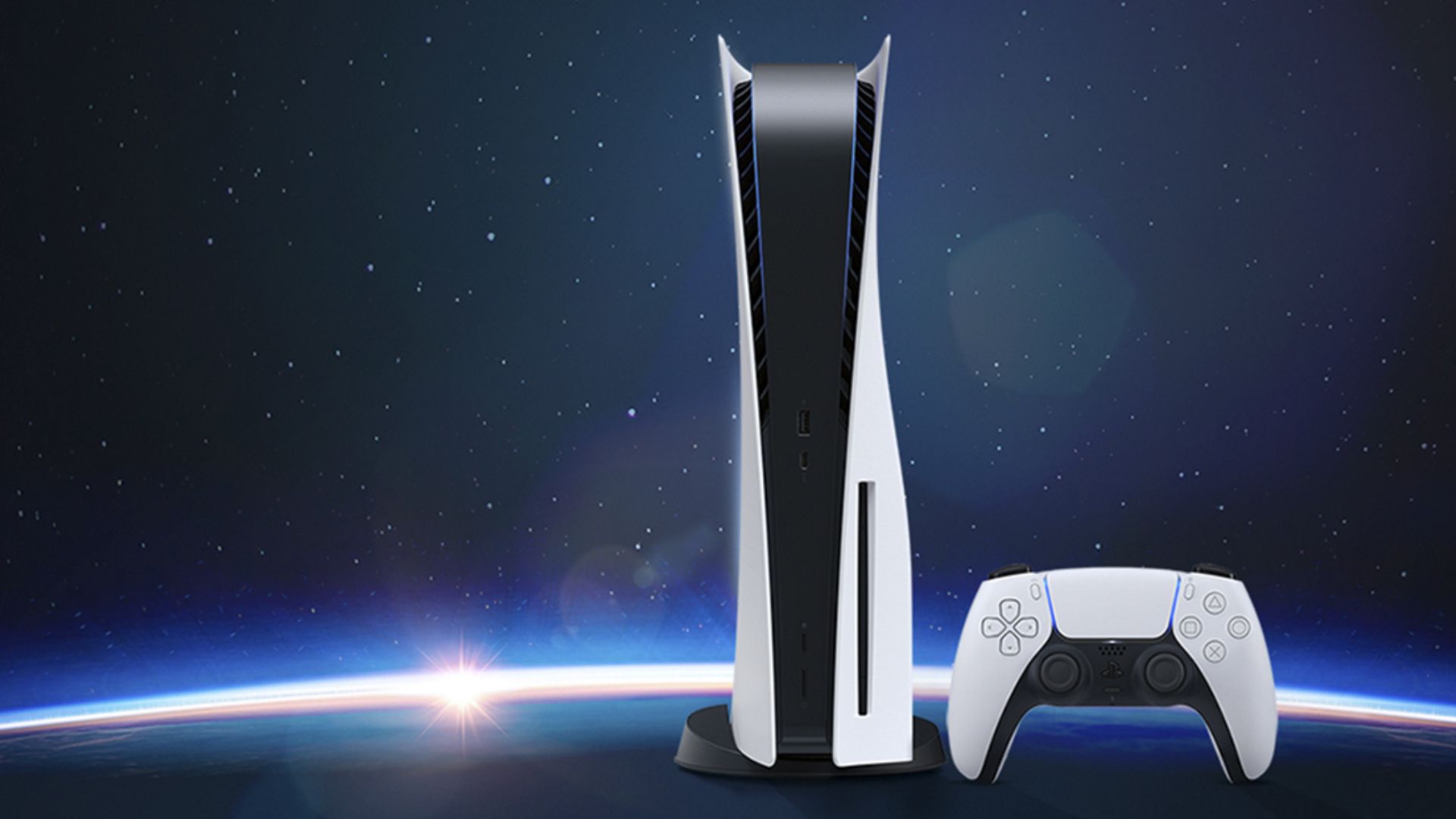
Sony has faced significant online backlash over its decision to end physical disc support for PlayStation games by January 2028, but new sales data suggests the format has already dwindled to near-irrelevance in commercial terms. Circana senior director Mat Piscatella shared figures showing just how small the physical market has become, arguing that vocal fan anger online is unlikely to be matched by actual purchasing behaviour, making it improbable Sony will reverse its decision.
According to Circana's Retail Tracking Service, only seven PlayStation games have sold over 100,000 physical units in the US so far this year, and just two titles sold more than 10,000 physical copies in the week ending 11 July. Circana data also shows US spending on physical games peaked at $11.5 billion in 2009 before falling to $1.6 billion last year. Critics of Sony's move point to broader concerns about digital ownership, including the removal of purchased films such as Terminator 2 from PlayStation Network after a rights dispute, and a policy permitting account deletion after 36 months of inactivity.
In short
- Sony to end PlayStation physical disc support by January 2028.
- Circana data shows physical game sales have collapsed to a fraction of past peaks.
- Critics cite digital ownership risks, like PSN content removals and account deletion policies.
Steelman: both sides, in good faith
The strongest fair case each way — we don't pick a winner.
The case for
The data overwhelmingly demonstrates that consumers have already abandoned physical media through their actual purchasing choices, with only a tiny fraction of PlayStation titles selling meaningful physical units and overall spending having collapsed to near historical lows. Maintaining an expensive physical infrastructure—manufacturing, distribution, retail partnerships—for such a marginal market segment makes poor economic sense, particularly when digital delivery offers superior efficiency, instant global availability, and lower environmental impact through reduced physical production and shipping.
The case against
The shift to digital-only creates genuine risks around consumer ownership and access, exemplified by Sony's documented removal of purchased games like Terminator 2 and policies permitting account deletion after inactivity, effectively rendering purchased content inaccessible indefinitely. Physical media represents true ownership and provides resilience against service discontinuation, regional restrictions, and licensing disputes—concerns that become more pressing as gaming becomes increasingly centralised under corporate control, whilst also failing to address connectivity barriers for players with unreliable internet access.
Explained simply
Sony will stop supporting physical PlayStation discs in January 2028, requiring all future gaming to be purchased digitally. This has angered fans who prefer owning physical copies and who worry about relying entirely on digital distribution.
Consumer concerns about digital gaming centre on the lack of true ownership and the risk of losing purchased content. Games and other media can be removed from digital platforms due to licensing issues, and accounts can be deleted after periods of inactivity, potentially causing purchased content to become inaccessible.
The shift from physical to digital media has been gradual across the gaming industry. Physical game sales have been declining for years as more players have switched to downloading games rather than buying physical copies.