Culture news and discussion on TalkFuse.
Fallout: New Vegas director says RPGs should be messy and force players to make hard decisions: “No person can fix everything”
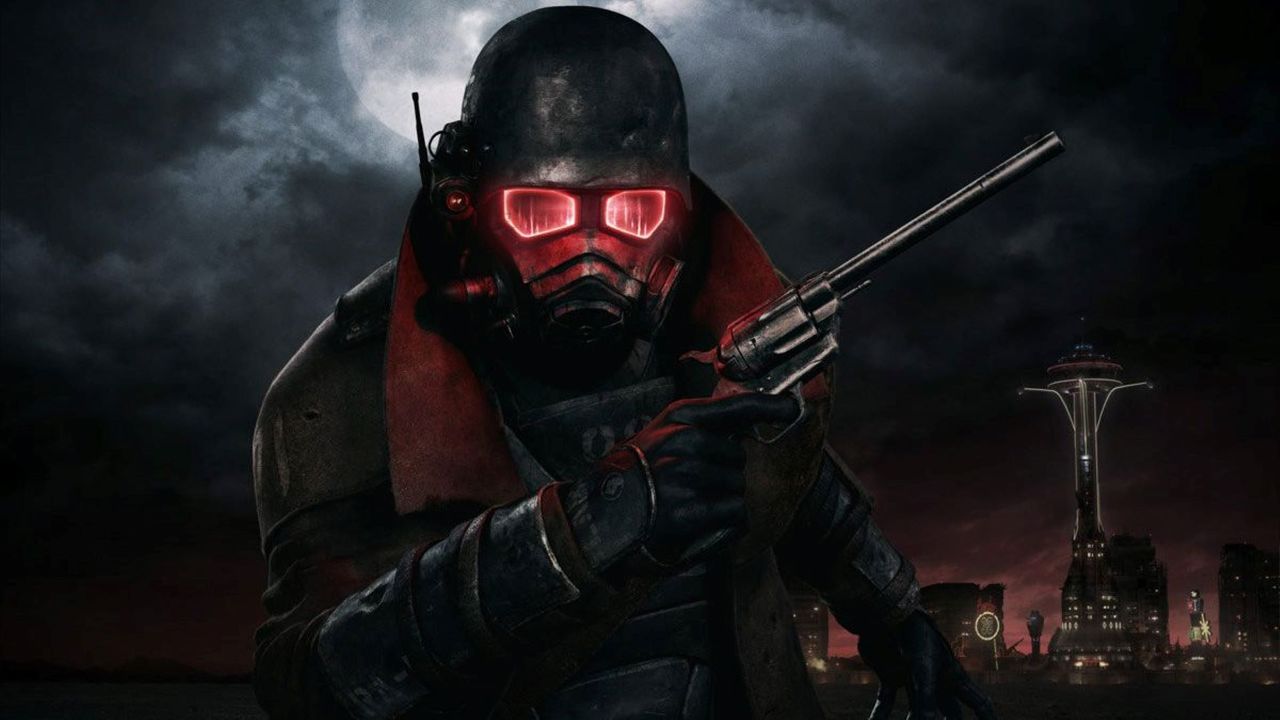
The director of Fallout: New Vegas has argued that well-designed role-playing games should embrace messiness, presenting players with difficult choices that carry genuine trade-offs rather than clean, universally satisfying resolutions. The comments touch on a recurring debate in RPG design about whether games should offer players a way to "fix" every problem or should instead force compromises that reflect the complexity of real decision-making, a philosophy widely credited with giving Fallout: New Vegas its reputation for morally grey, consequence-driven storytelling.
The director's remark that "no person can fix everything" underlines the idea that meaningful player agency depends on scarcity and imperfect outcomes, rather than systems designed to let players please every faction or character involved. This approach is often cited as central to why Fallout: New Vegas, despite being made on a tight schedule by Obsidian Entertainment, is still praised over a decade later for its branching narrative and factional politics. The full detail of the original interview was not accessible from the source page, though the quoted stance aligns with previously stated design philosophies from the game's development team.
In short
- Fallout: New Vegas director says good RPGs need messy, hard choices
- Quote: "No person can fix everything" underpins that philosophy
- Reflects Obsidian's known approach to consequence-driven storytelling
Steelman: both sides, in good faith
The strongest fair case each way — we don't pick a winner.
The case for
True player agency requires meaningful consequences and real trade-offs; if players can always satisfy every faction or character, their choices become cosmetic rather than consequential. Games that force difficult compromises reflect genuine moral complexity and create emotional weight, as players must reckon with the outcomes of their decisions. This approach generates discussion and replay value, respecting player intelligence by acknowledging that genuine choice involves accepting imperfect resolutions.
The case against
Games are entertainment that should respect players' investment of time; deliberately restricting satisfying outcomes can feel arbitrary and punishing rather than meaningfully complex, especially for those who engage emotionally with characters and factions. Well-designed narratives can offer genuine choice and satisfying resolutions without contradiction—these need not be opposed. The focus should be crafting narrative depth and honouring player agency, rather than gatekeeping 'good' play behind forced compromises that may lack genuine narrative substance.
Explained simply
Fallout: New Vegas is a role-playing video game released in 2010 by developer Obsidian Entertainment. Despite being created quickly and with limited resources, the game has remained influential and praised for over a decade, particularly for how it handles storytelling and player choices involving competing factions and morally ambiguous situations.
The debate at the heart of these comments concerns how role-playing games should handle player choice. Some games aim to let players resolve conflicts in ways that satisfy all parties involved; others intentionally create scenarios where players must choose between competing interests, meaning some characters or factions will end up disappointed or harmed by the player's decisions.
The game's design philosophy emphasises the second approach: creating a world where players cannot please everyone because resources and power are limited, forcing meaningful choices with real consequences. This reflects a broader argument amongst game designers about what makes player choice genuinely meaningful—whether it requires systems that allow players to win perfectly, or whether real agency emerges from accepting that no single solution can satisfy all interests involved.
Art Culture Entertainment Gaming