World news and discussion on TalkFuse.
Newsom admin faces questions over $6.2M diaper contract after touting ‘competitive’ process
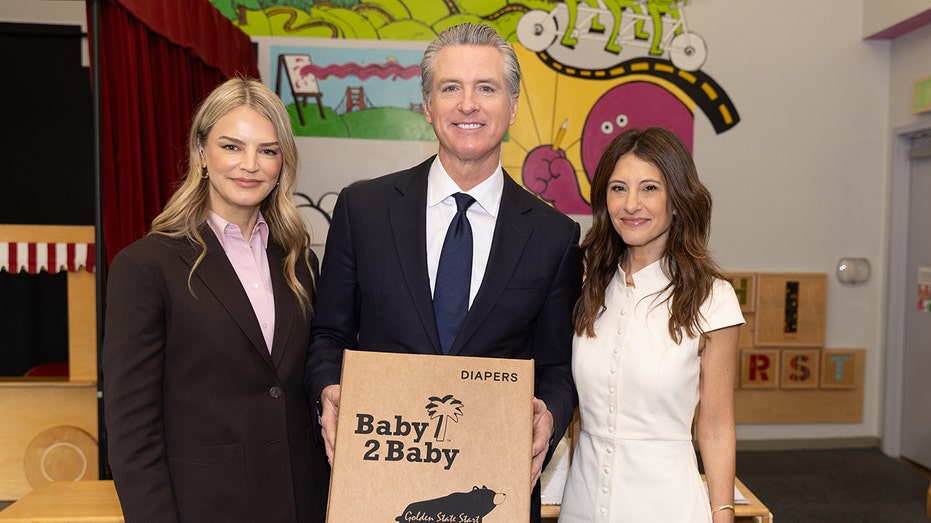
The Newsom administration has released the contract behind California's $6.2 million diaper programme following scrutiny over why the deal was awarded on a noncompetitive basis and a reported delay in publishing the agreement. The disclosure comes after officials had previously described the procurement process as "competitive," prompting questions about how the contract was actually awarded and why details were withheld until now.
The agreement is with the nonprofit Baby2Baby and will provide families of newborns with 400 free diapers at participating California hospitals. Governor Gavin Newsom first unveiled the partnership in May, but the release of the underlying contract only followed after journalists and critics pressed for transparency on the noncompetitive designation of the deal.
In short
- Newsom admin releases $6.2M Baby2Baby diaper contract after criticism
- Contract's noncompetitive award process had faced scrutiny
- Programme gives 400 free diapers to newborns at CA hospitals
Steelman: both sides, in good faith
The strongest fair case each way — we don't pick a winner.
The case for
Supporters of the administration's approach would argue that sole-source contracting is a legitimate and often necessary tool when a programme needs to launch quickly and a proven partner is already positioned to deliver it, and that Baby2Baby's established relationships with hospitals and track record on diaper distribution made it a sensible, low-risk choice rather than a favour to insiders. They would note that competitive bidding can take many months, potentially delaying a benefit aimed at newborn families, and that the sum involved is modest relative to the state budget. On the disclosure point, they might argue that earlier references to a "competitive" process reflected loose communications shorthand rather than deliberate deception, and that the administration ultimately released the full contract once questions were raised, which they would characterise as responsiveness rather than concealment.
The case against
Critics would argue that describing a noncompetitively awarded contract as "competitive" is precisely the kind of imprecision that erodes public confidence, since accurate language about how taxpayer money is awarded is essential to preventing favouritism and ensuring value for money, regardless of how sympathetic the underlying cause. They would contend that noncompetitive awards should be the exception, clearly justified at the time rather than explained after the fact, and that only releasing contract details once journalists and watchdogs pressed for them suggests the administration was not proactively transparent. For advocates of procurement integrity, the size of the contract or the popularity of the recipient charity is beside the point; the principle that public contracts must withstand scrutiny from the outset is what protects against misuse of discretion in future, less benign cases.
Explained simply
California's diaper giveaway is a state-backed scheme announced in May by Governor Gavin Newsom, offering new parents 400 free nappies at participating hospitals. It is run in partnership with Baby2Baby, a nonprofit that distributes essential supplies to children in need, and is funded through a $6.2 million state contract.
The current controversy centres on how that contract was awarded. State officials had described the process as "competitive," but the deal was in fact granted without competitive bidding, and the underlying contract was only made public after journalists and critics pushed for its release.
The dispute matters because it touches on how California awards public money and how transparent officials are about that process, rather than on the diaper programme itself, which remains in operation for new parents at participating hospitals.