Politics news and discussion on TalkFuse.
Georgia coach sounds off: If Congress won’t act, SEC should just break away from NCAA and govern themselves
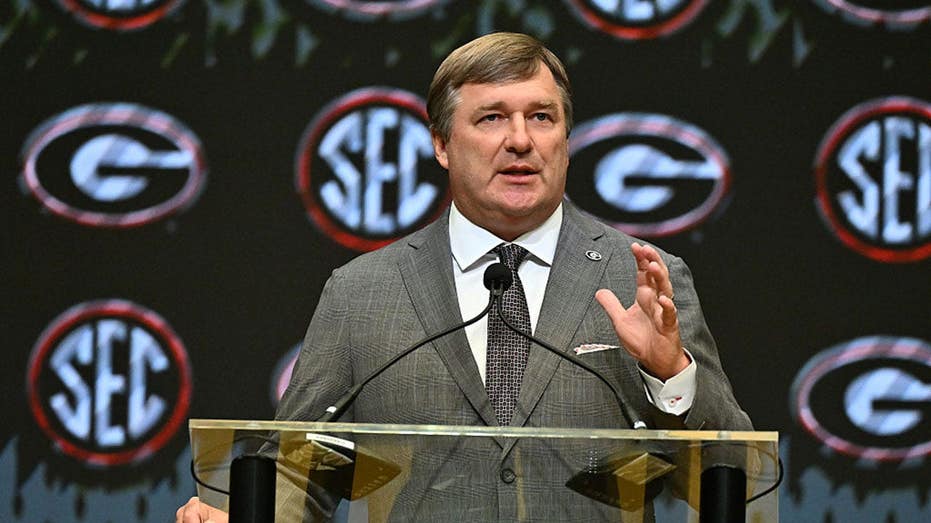
Georgia head coach Kirby Smart used his appearance at SEC Media Days in Tampa, Florida, to argue that if Congress fails to pass federal legislation on college sports, the SEC should consider governing itself independently of the NCAA. His comments reflect growing frustration among power-conference coaches over the lack of consistent national rules on issues such as name, image and likeness payments and player transfers, which they say has created unfair competitive imbalances across college football.
Smart's remarks come as SEC commissioner Greg Sankey has separately acknowledged that the conference is exploring options outside the NCAA's current structure. The comments were made against a backdrop of increasing parity in college football, with Georgia, a four-time reigning national contender under Smart, not having won a national title in four years. Smart's stance adds to a chorus of SEC coaches publicly airing grievances about the state of college sports governance during this year's media days event.
In short
- Kirby Smart says SEC should break from NCAA if Congress won't act.
- Comments made at SEC Media Days amid NIL and transfer rule frustrations.
- SEC commissioner Sankey also exploring options outside NCAA.
Steelman: both sides, in good faith
The strongest fair case each way — we don't pick a winner.
The case for
The NCAA's governance framework has demonstrably failed to adapt to modern realities in compensation and transfers, whilst congressional gridlock makes legislative solutions unlikely. Power conferences generate nearly all college football revenue yet operate under outdated rules, and allowing them autonomy to establish coherent, consistent regulations would create fairer competition and permit innovation suited to contemporary athletics.
The case against
Whilst the NCAA's shortcomings are real, fragmentation would worsen the competitive landscape and undermine smaller conferences that depend on baseline equity protections. The SEC's unilateral departure would likely trigger chaotic proliferation of rival governing bodies and invite congressional intervention far more restrictive than current arrangements. True reform requires comprehensive national legislation, not power conferences abandoning their responsibilities to the broader ecosystem.
Explained simply
The NCAA is the organisation that governs college sports in the United States, setting rules that all universities must follow. In recent years, significant changes have allowed college athletes to earn money through endorsements and sponsorship deals known as name, image and likeness payments, or NIL. However, these rules vary by state and conference, creating confusion and what some coaches argue are unfair advantages for certain teams.
The Southeastern Conference, or SEC, is one of the most prominent college sports conferences in America, home to powerhouse programmes like the University of Georgia. The SEC's commissioner and head coaches have grown increasingly frustrated with what they see as inconsistent national regulations, particularly around NIL payments and rules governing when athletes can transfer between schools. These inconsistencies, they argue, give some conferences unfair competitive advantages whilst disadvantaging others.
Some SEC leaders, including Georgia's head coach Kirby Smart and the conference's commissioner Greg Sankey, have begun publicly suggesting that the conference might govern itself independently of the NCAA rather than continue operating under its current rules. This reflects a broader debate about how college sports should be organised and whether the NCAA remains equipped to manage a modern, lucrative industry where athletes can now earn substantial sums.