Business news and discussion on TalkFuse.
Nintendo customers have no legal right to tariff refunds, company tells judge
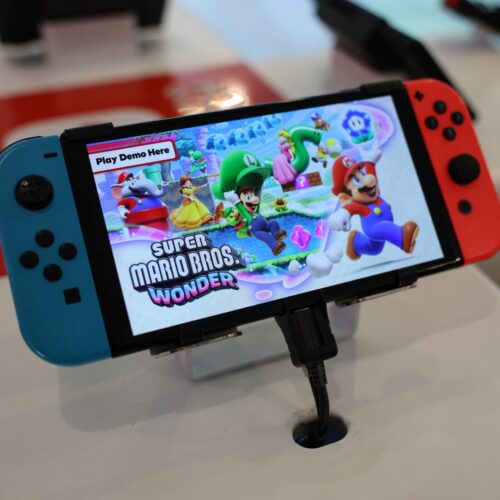
Nintendo has asked a US federal court to dismiss a lawsuit that seeks to force it to pass on to customers any tariff refunds it receives from the government. The company argues that buyers of its consoles and accessories have no legal claim to such refunds, since they voluntarily paid the advertised price and received the product they paid for in return. The case is one of several test cases likely to shape whether ordinary consumers can recoup costs from tariffs that US courts have since ruled were unlawfully imposed.
The class action, filed in April in the Western District of Washington by Gregory Hoffert and Prashant Sharan, alleges unjust enrichment and unfair conduct under Washington's Consumer Protection Act, pointing to price rises of $30-$50 on the original Switch and $5-$10 on Switch 2 accessories. Nintendo's motion to dismiss, filed this week, says there is nothing "unjust" about it keeping any refunds, as customers have no entitlement to money the company may later recover. Similar suits have been filed against Sony over PlayStation pricing and, on 17 July, against Microsoft over Xbox pricing, part of a wider wave of tariff-related litigation following a February Supreme Court ruling that Trump's IEEPA tariffs were illegal; the government's refund process, however, is only open to importers and customs brokers, not consumers.
In short
- Nintendo says customers have no legal right to any tariff refunds it gets
- Lawsuit claims unjust enrichment over Switch price rises tied to tariffs
- Similar suits target Sony and Microsoft over PlayStation and Xbox pricing
Steelman: both sides, in good faith
The strongest fair case each way — we don't pick a winner.
The case for
Consumers paid artificially inflated prices resulting from tariffs that courts have determined were unlawfully imposed; Nintendo will recover these costs through government refunds. Consumer protection principles support requiring the company to pass these refunds to those who paid the inflated prices, as allowing Nintendo to retain them whilst customers absorbed the burden constitutes unjust enrichment under Washington consumer law.
The case against
Consumers entered voluntary transactions at advertised prices and received the products they purchased; Nintendo bears no obligation to redistribute government refunds to past buyers. The company, as the legal importer, is entitled to retain recovery of costs it incurred, and imposing retroactive compensation requirements would create impractical precedents requiring companies to disaggregate costs and compensate customers for any subsequent recoveries.
Explained simply
Between 2023 and 2024, the US government imposed tariffs—additional taxes on imported goods—which increased the prices of gaming consoles and accessories. The Supreme Court ruled these tariffs illegal, and the government has begun issuing refunds. However, a dispute has emerged over who should benefit: the companies that sold the goods or the customers who paid the inflated prices.
A group of Nintendo customers are suing the company, arguing it unfairly kept the price increases caused by tariffs and should pass on any refunds it receives from the government. Nintendo argues that customers agreed to pay the advertised price and received what they paid for, so they have no legal entitlement to money the company may later recover. Similar lawsuits have been filed against Sony and Microsoft over PlayStation and Xbox pricing.
This case will likely shape whether ordinary consumers can recoup tariff-related costs through the courts. The government's official refund process currently only permits importers and customs brokers to claim, not consumers directly, making litigation the consumers' only potential path to recovery.
Business Companies Entertainment Gaming