The many many different faces in top UK Government jobs in the last ten years
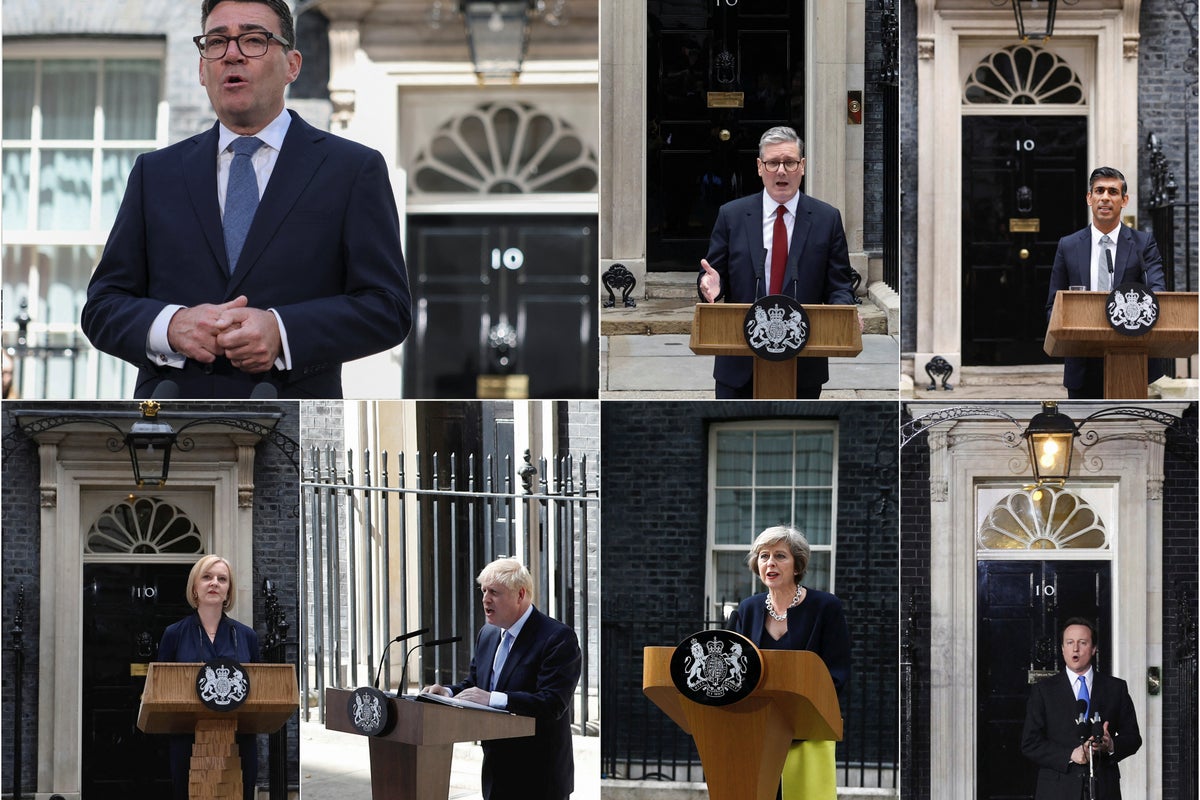
Since 2016, the UK has burned through ministers at a striking rate: eight chancellors, nine foreign secretaries, ten education secretaries and six prime ministers, a pace of turnover far exceeding the decade before. The article contrasts this with the relative stability of 2006-2016, when far fewer people held these posts, highlighting how increasingly frequent reshuffles under successive prime ministers have hollowed out continuity in senior government roles.
The chancellor's role alone has passed through figures including Philip Hammond, Sajid Javid, Rishi Sunak, Nadhim Zahawi and Kwasi Kwarteng (each lasting mere weeks), Jeremy Hunt and Rachel Reeves, compared with just three chancellors in the previous decade. Other departments show similarly rapid churn, with justice secretary changing hands 11 times, housing secretary 10 times, and health, environment and Northern Ireland secretaries all seeing eight to ten different holders since 2016, with some, such as Michelle Donelan, lasting only days in post.
In short
- UK has had six PMs and eight chancellors since 2016.
- Justice secretary role has changed hands 11 times in a decade.
- Some ministers, like Michelle Donelan, lasted just days in post.
Steelman: both sides, in good faith
The strongest fair case each way — we don't pick a winner.
The case for
The striking acceleration in ministerial turnover since 2016—eight chancellors compared to three in the preceding decade, along with similar churn across other key departments—suggests a serious erosion of institutional stability. Ministers require adequate time to master complex briefs, establish working relationships with civil servants and international partners, and shepherd policies through implementation. When individuals serve mere weeks, departments cannot function effectively, resources are wasted on repeated inductions, and long-term strategic planning becomes impossible.
The case against
Some degree of ministerial change is both inevitable and sometimes beneficial, as prime ministers must be able to remove underperforming ministers and respond to changing circumstances. The previous decade's stability might reflect a lack of accountability rather than good governance. Different political contexts—including electoral shocks and policy crises—naturally prompt more frequent changes. Ultimately, policy outcomes and effective decision-making matter more than tenure length, and fresh perspectives can sometimes improve governance by prompting departments to re-examine entrenched approaches.
Explained simply
The UK government has experienced an unusually rapid change in its senior ministers over the past decade, particularly since 2016. This means that key positions have been held by different people far more often than they were in the ten years before.
The chancellor, one of the most important government roles, has been held by eight different people since 2016, compared with just three in the previous decade. The position of foreign secretary has changed nine times, the education secretary post ten times, and other major government departments have seen similar levels of change. Some ministers have spent only days in their roles.
This pattern of frequent changes to senior positions under successive prime ministers has meant that fewer people have remained in key government roles long enough to build up experience or maintain continuity in policy. The contrast with the relative stability of 2006 to 2016 suggests a significant shift in how the government now operates.
Business Economy Government Politics UK World