Entertainment news and discussion on TalkFuse.
SEC wants more playoff favoritism as Greg Sankey complains about ‘unsatisfactory’ talks with CFB Playoff
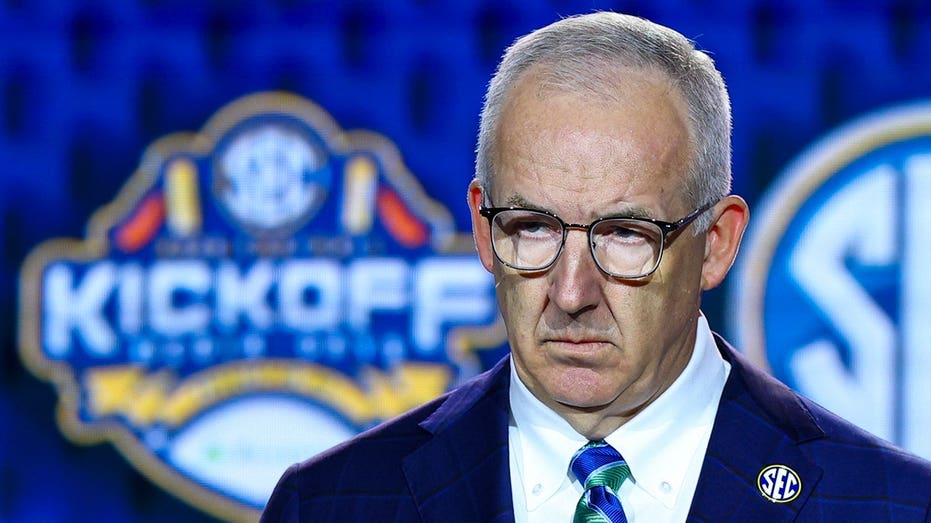
SEC commissioner Greg Sankey has criticised discussions with the College Football Playoff (CFP) as "unsatisfactory," as the conference pushes for changes that would favour its teams in future playoff formats. The dispute comes after a season in which the shifting landscape of college football undercut the SEC's traditional claims of dominance, with the conference failing to reach the National Championship game.
For the third consecutive season, no SEC team competed in the national title game, weakening the conference's usual arguments for preferential treatment in playoff seeding and access. Sankey's comments reflect ongoing tension between the SEC and CFP organisers over how future playoff formats should be structured, with the conference seeking greater representation or favourable terms despite its recent on-field results not supporting such a case.
In short
- Greg Sankey calls CFP playoff talks "unsatisfactory"
- SEC pushes for more favourable playoff treatment
- SEC missed the national title game for a third straight year
Steelman: both sides, in good faith
The strongest fair case each way — we don't pick a winner.
The case for
The SEC's case rests on the principle that conference strength should meaningfully influence playoff structure, given that the SEC's accumulated competitive depth—built over decades—creates genuine disadvantages for its teams even in down years. The conference argues that three years may represent statistical variation rather than a fundamental shift, and that season-to-season results don't fully capture the sustained competitive environment that determines true team quality. Structural playoff design should recognise these realities rather than purely mechanically reward annual outcomes.
The case against
The case against conference-based favouritism emphasises that playoff legitimacy depends on selecting the demonstrably best-performing teams, determined by on-field results each season. Three consecutive years without SEC representation constitutes meaningful data, not anomaly, and rewarding the conference based on historical status rather than current achievement would privilege legacy over merit. A truly fair system grants access based on what teams actually accomplish, ensuring all conferences compete on equal terms regardless of past dominance.
Explained simply
The Southeastern Conference (SEC) is a league of universities competing in American college football, primarily from the southern United States. For decades, the SEC has been dominant in the sport, regularly producing the strongest teams and winning national championships, which has given it significant influence over how college football is structured and organised.
The College Football Playoff is an annual tournament to determine the national champion. Teams qualify based on their records and performance, with the selection process and format periodically revised. The SEC's historical dominance meant it could typically expect multiple teams in the playoff with favourable seeding, giving it considerable advantages in competing for the championship.
In recent seasons, this dominance has faltered. For the third consecutive year, no SEC team has reached the national championship game, weakening the conference's traditional argument that it deserves preferential treatment in playoff arrangements. This reduces the SEC's bargaining power in discussions about future playoff structures.