Entertainment news and discussion on TalkFuse.
3 Classic Rock Songs From the 1980s That Changed Forever After One Live Performance
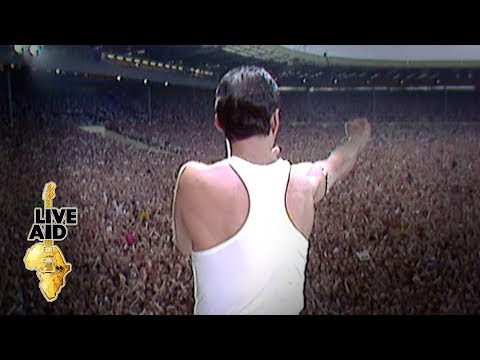
Three classic rock songs from the 1980s transcended their original studio recordings to achieve legendary status through iconic live performances. While the recordings themselves were well-received, these songs became permanently defined by specific concert moments that audiences regard more vividly than the original tracks.
Queen's "Radio Ga Ga" resonated memorably during Live Aid in 1985, whilst U2's "Bad" gained enduring recognition at the same event, particularly when Bono descended into the audience for an intimate moment. Bon Jovi's "Wanted Dead or Alive" similarly transformed through an unplugged performance at the MTV VMAs, where the stripped-down arrangement conveyed emotional intensity that the original recording lacked. Each performance demonstrated how presentation and setting can fundamentally reshape how audiences experience and remember a song.
In short
- Three 1980s rock songs achieved iconic status primarily through transformative live performances rather than their studio versions
- Queen's 'Radio Ga Ga' and U2's 'Bad' became legendary at Live Aid 1985; Bon Jovi's acoustic MTV VMA performance redefined 'Wanted Dead or Alive'
- These singular live moments resonated emotionally with audiences in ways studio recordings could not, cementing them as defining cultural touchstones
Steelman: both sides, in good faith
The strongest fair case each way — we don't pick a winner.
The case for
These iconic live performances became the cultural lens through which audiences experience and remember these songs. When people hear 'Radio Ga Ga,' many envision Wembley Stadium's crowd participation; Bono's intimate moment during 'Bad' fundamentally altered the song's emotional landscape; stripped-down arrangements reveal emotional depths that studio production sometimes obscures. These moments achieved such widespread cultural resonance through repetition, rebroadcasting, and collective memory that they genuinely reshaped how subsequent generations understand and relate to these recordings.
The case against
The studio recordings remain the songs themselves—they achieved commercial success, shaped the artists' legacies, and constitute most people's repeated listening experiences. Whilst a single memorable performance becomes part of a song's cultural history, calling it a redefinition overstates the impact. The studio and live versions are distinct cultural artefacts; a legendary concert moment enriches a song's legacy without fundamentally changing the recorded work that people actually own and hear most often.
Explained simply
Live Aid was a major charity concert held in 1985 to raise money for people facing famine in Ethiopia. It featured performances by well-known musicians, including Queen and U2, and was watched by a large television audience.
Queen’s “Radio Ga Ga” is associated with the crowd clapping along, while U2’s “Bad” is remembered for singer Bono moving into the audience. Bon Jovi later performed “Wanted Dead or Alive” in a stripped-down acoustic style at the MTV Video Music Awards, an annual music awards show. These moments show how a song’s live arrangement and setting can shape the way listeners remember it.