Culture news and discussion on TalkFuse.
Mamdani calls out Democratic Party as ‘well-paid consultants and big money interests’
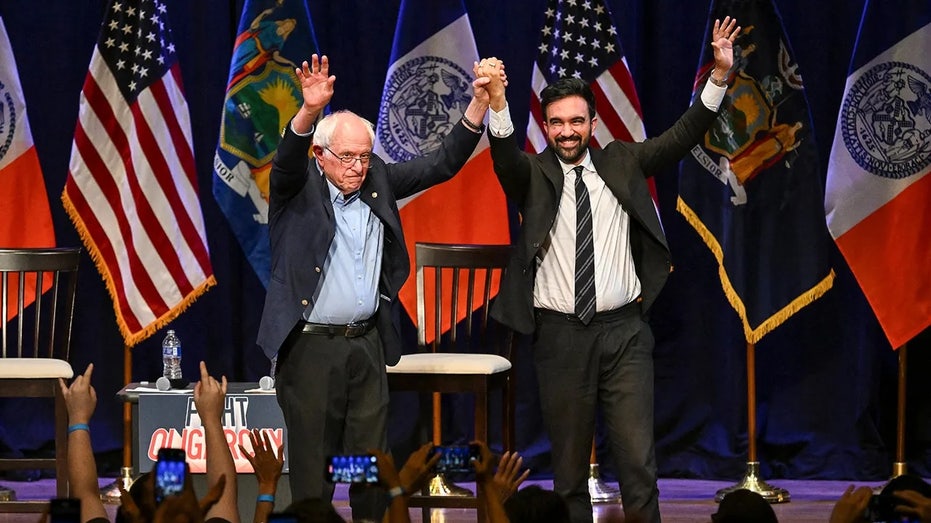
New York City Mayor Zohran Mamdani has criticised the Democratic Party's internal structure, telling Rolling Stone that it is now effectively controlled by "well-paid consultants and big money interests" rather than ordinary members or voters. The remarks add to ongoing debate within the party about its direction, coming amid broader tension between its establishment wing and a growing progressive and socialist-aligned faction that Mamdani himself represents.
Mamdani, a self-described democratic socialist who won the New York City mayoralty, has previously drawn scrutiny from critics, including a former Clinton official who has warned that a "radical" socialist takeover could damage the party if left unaddressed. His comments to Rolling Stone position him as a critic of the party establishment even as he now holds one of its most prominent elected offices, reflecting friction between insurgent left-wing figures and longtime party operatives and donors.
In short
- Mamdani says Democratic Party is run by consultants and big money
- Comments highlight rift between party establishment and progressive wing
- Follows other criticism of Mamdani's socialist-aligned politics
Steelman: both sides, in good faith
The strongest fair case each way — we don't pick a winner.
The case for
Mamdani's critique reflects a substantive concern that modern Democratic Party structures have become too reliant on wealthy donors and professional consultants whose incentives may not align with grassroots members' priorities. Advocates of this view argue that campaign finance and the professionalization of politics have created institutional barriers that dilute ordinary members' influence, leading to strategic decisions and policy positions that favour establishment preferences over those articulated by the party's electoral base.
The case against
The Democratic Party requires professional expertise and significant resources to compete effectively in modern elections, and the presence of donors and consultants reflects practical necessity rather than anti-democratic capture. Those defending the party's structure argue it retains genuine grassroots mechanisms including primaries, member voting, and local committees, and that the successful nomination of diverse candidates including democratic socialists like Mamdani demonstrates the party is not rigidly controlled by a narrow establishment.
Explained simply
The Democratic Party is one of the two main political parties in the United States. It includes elected officials, local organisations, donors and voters, and its members disagree over how the party should set its priorities and choose its candidates.
Zohran Mamdani is New York City’s mayor and describes himself as a democratic socialist, a political tradition that supports democratic government alongside a larger role for public services and workers. He is associated with the party’s progressive wing, which seeks changes such as stronger social programmes and less influence for wealthy donors.
The debate reflects a wider tension between progressive activists and the party’s established officials, consultants and donors. It matters because disagreements over whose views shape the party can affect its policies, election campaigns and appeal to voters.
Art Culture Geopolitics Politics World