The truth nobody wants to admit: Chinese or not, open models are competitive now
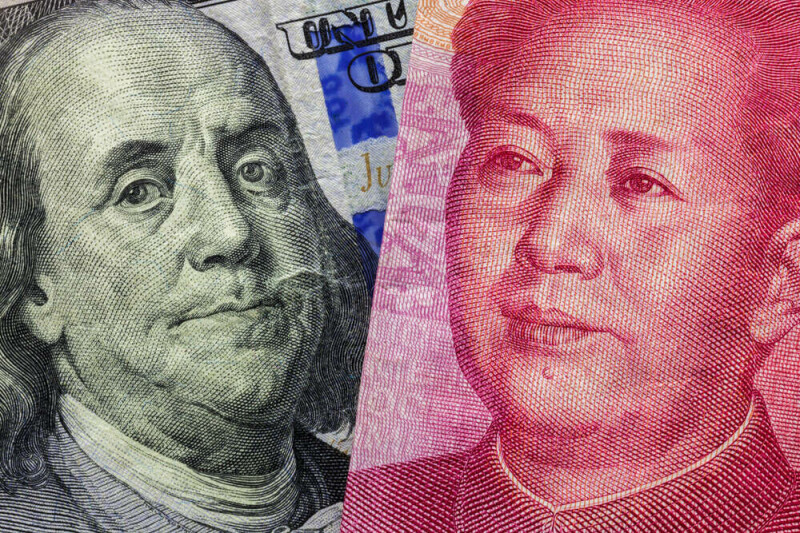
A Register opinion piece argues that Moonshot AI's new Kimi K3 model shows Chinese open-weight AI has become genuinely competitive with US frontier systems, even as American firms increasingly frame Chinese models as national security threats rather than engage with their technical merits. The author notes this pattern recurs every few months, following DeepSeek R1's market-shaking debut last year, and suggests the "Chinese AI" framing conveniently benefits companies like Anthropic and OpenAI, which can use fears of foreign models to bolster arguments against open-weight AI generally while facing less scrutiny of their own practices.
At 2.8 trillion parameters, Kimi K3 is described as the largest open-weights model built to date, reinforcing perceptions of it as a genuine frontier system, though its scale puts it beyond most enterprises' practical reach. The piece contrasts this with recent US developments: GPT-5.6's release was reportedly delayed by government concern, and Claude Fable 5 was briefly pulled offline over security worries that turned out to be relatively minor. It also notes Anthropic chief Dario Amodei's past accusations that Alibaba used Claude to improve its Qwen models via distillation, juxtaposed against Anthropic's own $1.5 billion settlement over allegations of training Claude on pirated books. The White House is reportedly facing calls to restrict access to Chinese models but has not taken formal action.
In short
- Opinion piece says Chinese open models like Kimi K3 are now genuinely competitive
- Kimi K3 has 2.8 trillion parameters, the largest open-weights model yet
- US firms may use "China threat" framing to deflect from own AI controversies
Steelman: both sides, in good faith
The strongest fair case each way — we don't pick a winner.
The case for
The piece makes a compelling case that geopolitical framing is obscuring genuine technical competition and conveniently serves the interests of American AI companies. Chinese models demonstrably perform well, yet discussion of them is systematically reframed as national security threats rather than technical achievements worth engaging with on their merits. The apparent inconsistencies in how different companies' and countries' practices are treated—concerns about Alibaba's distillation versus Anthropic's training on pirated books, US models' delays versus emphasis on Chinese threats—suggest that 'national security' may be tactically deployed to justify restricting open-weight AI generally whilst forestalling scrutiny of Western companies' own questionable practices.
The case against
Dismissing national security concerns as mere corporate tactics conflates distinct and legitimate policy considerations. Frontier AI capabilities concentrated in a strategic competitor's hands present genuine strategic risks that governments reasonably address, independently of commercial interests. The treatment of Chinese and American models reflects different contexts rather than hypocrisy: IP concerns about distillation are standard competitive protections, government caution about releasing frontier capabilities represents prudent strategic policy, and risks from open-weight models extend beyond any company's commercial interests. These distinctions cannot fairly be collapsed into accusations of bad-faith tactical lobbying.
Explained simply
Open-weight AI models make their underlying parameters available for others to download and run, giving researchers and businesses more scope to inspect or adapt them than with closed services. Moonshot AI is a Chinese company whose Kimi models are part of a growing field of systems that can be used this way. Their size and performance have brought them into comparisons with leading models from US firms such as OpenAI and Anthropic.
Those comparisons have become politically charged as US officials and technology companies raise concerns about security and competition involving Chinese AI. The debate also touches on how models are trained and improved, and on whether restrictions would apply to all open-weight systems or mainly those developed in China. It matters because governments and businesses are weighing access to powerful AI tools against risks around security, control and fair competition.