Politics news and discussion on TalkFuse.
House narrowly backs allowing troops, Pentagon workers to carry personal guns on military bases
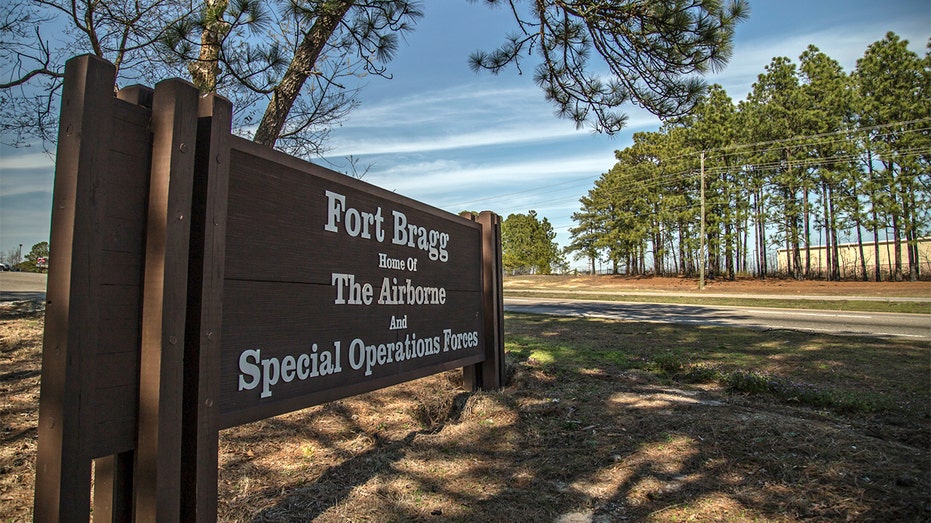
The US House of Representatives voted 215-214 to approve a measure that would make approval the default outcome when qualified service members and Pentagon civilian employees ask commanders for permission to carry personal firearms on military bases. The provision, part of the annual National Defense Authorization Act (NDAA), reflects a push by gun-rights supporters to expand personal firearm access on installations, and its narrow passage highlights how divisive the issue remains even within a Republican-controlled chamber.
The measure passed by the slimmest of margins, with three Democrats crossing over to support it while three Republicans voted against it, underscoring that the vote did not fall along strict party lines. It comes as the House also grapples with a broader, packed legislative agenda, including a stopgap funding measure and a $95 billion budget framework, with Speaker Mike Johnson vowing lawmakers will not leave Washington early despite the workload.
In short
- House narrowly passed 215-214 to ease personal gun carry on bases.
- Measure sets default approval for qualified troops, Pentagon staff requests.
- Vote crossed party lines; part of wider NDAA and budget agenda.
Steelman: both sides, in good faith
The strongest fair case each way — we don't pick a winner.
The case for
Supporters argue that trained military personnel and Pentagon workers are among the most qualified citizens to safely carry firearms and deserve the fundamental right to self-defence on base. They contend that service members possess the training, responsibility and constitutional right to protect themselves and others, and that restricting law-abiding, qualified individuals infringes on Second Amendment protections and personal liberty without legitimate justification.
The case against
Opponents contend that military bases require strict, unified weapons protocols to maintain operational security, prevent accidental discharges in high-stress training environments, and minimise risks of theft, friendly fire incidents or misuse. They argue that military installations operate under necessarily different rules precisely because concentrated firepower requires centralised command and control, and that allowing personal weapons could complicate base security procedures, create liability concerns, and undermine the military's ability to maintain strict inventory and safety standards.
Explained simply
US military bases are controlled by the Department of Defense, often called the Pentagon. Commanders set rules for firearms on their installations, and personnel generally need permission to carry a privately owned gun there.
The annual National Defense Authorization Act sets defence policy and authorises military spending. The House and Senate must agree on its final text before it can become law, so a provision approved by the House may still change or be left out.
The debate concerns how to balance individual access to firearms with the rules commanders use to manage security on bases. It also involves both uniformed service members and civilian Pentagon employees, who work under different roles but may be subject to installation rules.