World news and discussion on TalkFuse.
Rubio says US remains open to Iran talks but warns there ‘will be consequences’
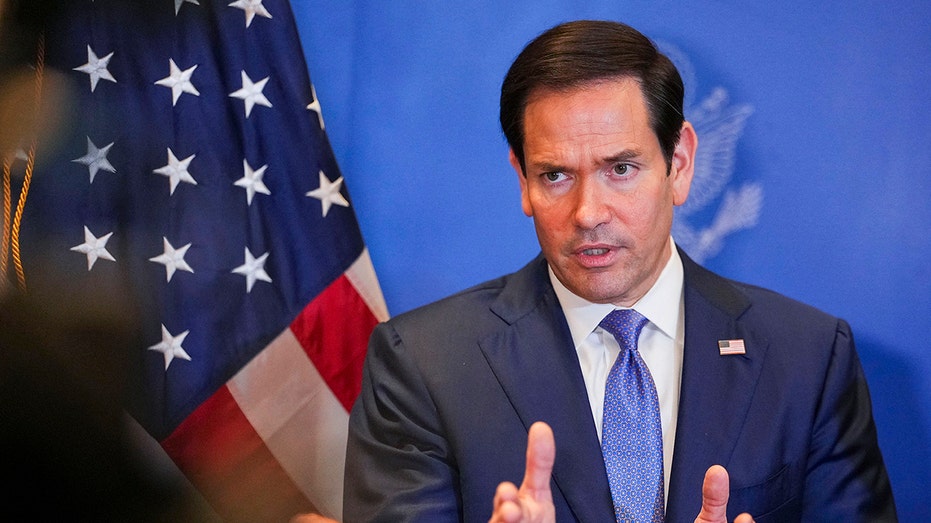
US Secretary of State Marco Rubio said on Wednesday that Washington remains open to negotiating with Iran, but cautioned that Tehran would face "consequences" if it continued to breach its commitments. His remarks came just hours after US forces conducted strikes near Iran's coastline, underscoring the tension between diplomatic overtures and military pressure in the ongoing standoff.
Speaking at the ASEAN Summit in the Philippines, Rubio also addressed shipping traffic through the Strait of Hormuz, saying the US was primarily concerned with whether vessels continued to move through the vital waterway, and downplaying Iranian rhetoric surrounding it. His comments follow a period of heightened confrontation, including reports of ten consecutive nights of US strikes and ongoing debate within the administration over its next steps regarding Iran.
In short
- Rubio says US still open to Iran talks despite recent strikes
- Warns Tehran of "consequences" for breaking commitments
- US focused on keeping ships moving through Strait of Hormuz
Steelman: both sides, in good faith
The strongest fair case each way — we don't pick a winner.
The case for
The case for prioritising diplomatic engagement emphasises that sustained military strikes fundamentally undermine the stated willingness to negotiate and risk an escalatory spiral. If genuinely seeking settlement, ongoing military operations—regardless of diplomatic language—signal that coercion is the primary strategy, making Iran less inclined to engage constructively. The Strait of Hormuz's crucial role in global commerce argues for restraint coupled with explicit consequences, as dialogue backed by genuine de-escalation offers the best prospect of durable agreements.
The case against
The case for military pressure alongside diplomatic overtures rests on Iran's documented history of breaching commitments and the ineffectiveness of unilateral diplomatic offers. Military enforcement of clear red lines actually strengthens negotiation credibility by signalling that warnings have substance—Iran will engage seriously only when it perceives genuine consequences for non-compliance. Demonstrating resolve through swift response to breaches establishes the seriousness of negotiated terms and creates meaningful incentive for Iranian compliance.
Explained simply
The United States and Iran have had a long-running dispute over Iran’s nuclear programme, regional influence and US sanctions. The 2015 nuclear deal placed limits on Iran’s programme in return for sanctions relief, but the United States withdrew from the agreement in 2018, and efforts to restore it have not succeeded.
Marco Rubio is the US secretary of state, responsible for representing the country in diplomacy. Iran’s government is the other central player, while the Strait of Hormuz matters to countries beyond the two: it is a narrow route linking the Gulf to the open sea and a major passage for global oil shipments.
The standoff matters because disputes over Iran’s commitments can affect regional security, international negotiations and energy supplies. Diplomatic talks and military pressure are among the ways the United States has sought to influence Iran’s choices.