Back us, or jobs go abroad: Rolls-Royce pushes Burnham to support jet engine project
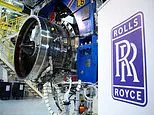
Rolls-Royce has stepped up pressure on the Government to back its bid to re-enter the narrow-body jet engine market, warning that up to 40,000 jobs could go abroad if ministers fail to act quickly. Chief executive Tufan Erginbilgic, speaking at the Farnborough Airshow, said talks over financial support were progressing but urged the Government to make a decision soon, as Airbus and Boeing are expected to choose engine suppliers for their next-generation narrow-body jets within two years. He argued the project would significantly boost UK advanced manufacturing and the supply chain, and that the sums involved were not large in that context.
The narrow-body engine market is estimated to be worth £1.6 trillion globally, and the project sits at the heart of Labour's industrial strategy focus on advanced manufacturing. The Daily Mail reported in December that Rolls-Royce could build the engines in Germany or the US instead, where it already has sites and cheaper energy, without hundreds of millions of pounds in taxpayer support. Erginbilgic said he had not yet spoken to the new Prime Minister but wanted to raise the issue, welcomed new Chancellor John Healey's understanding of the company, and separately warned that unstable tax policy could deter major UK investment.
In short
- Rolls-Royce warns 40,000 jobs could move abroad without government backing
- CEO urges swift decision as Airbus/Boeing pick engines within two years
- Firm could build engines in Germany or US instead without support
Steelman: both sides, in good faith
The strongest fair case each way — we don't pick a winner.
The case for
The narrow-body jet engine market represents a £1.6 trillion global opportunity, and this project offers the UK a genuine chance to reclaim world-leading advanced manufacturing capability in a strategically critical sector. With 40,000 jobs potentially at stake and competitor nations routinely supporting such major industrial initiatives, failing to back this would abandon both immediate employment and long-term competitive advantage in a high-value supply chain. The sums required, whilst significant, are modest relative to the market size and the economic returns from securing such a substantial sector, and alignment with Labour's industrial strategy suggests this reflects wider economic priorities beyond Rolls-Royce alone.
The case against
If Rolls-Royce cannot justify this investment without hundreds of millions in taxpayer support, it raises fundamental questions about the project's underlying viability and suggests the company should shoulder the commercial risk itself, particularly given it is already profitable and operates facilities elsewhere. Subsidising private corporation expansion sets a dangerous precedent, diverts limited public resources from health, education and social care during fiscal constraints, and risks becoming part of an international corporate welfare arms race rather than genuine strategic choice. The threat to move jobs abroad could be negotiating leverage rather than inevitable outcome, and government should resist picking industrial winners based on pressure from individual firms rather than transparent assessment of genuine strategic and economic merit.
Explained simply
Rolls-Royce is a British engineering company that makes aircraft engines. It wants to develop engines for narrow-body aircraft, the single-aisle passenger jets commonly used on short and medium routes; it has not made engines for this market for several years.
Airbus and Boeing are expected to choose suppliers for their next generation of these jets within two years. Rolls-Royce says UK backing could help it build the engines and support jobs across its supply chain, while the company could build them in Germany or the US if it does not receive support.
The decision matters because aircraft-engine programmes can bring long-term work to manufacturers and suppliers. It also raises questions about how public money should support industrial projects and where the resulting jobs and production will be based.
Business Economy Government Politics World