World news and discussion on TalkFuse.
Magic designers know what fans want, and that’s more fantasy Universes Beyond
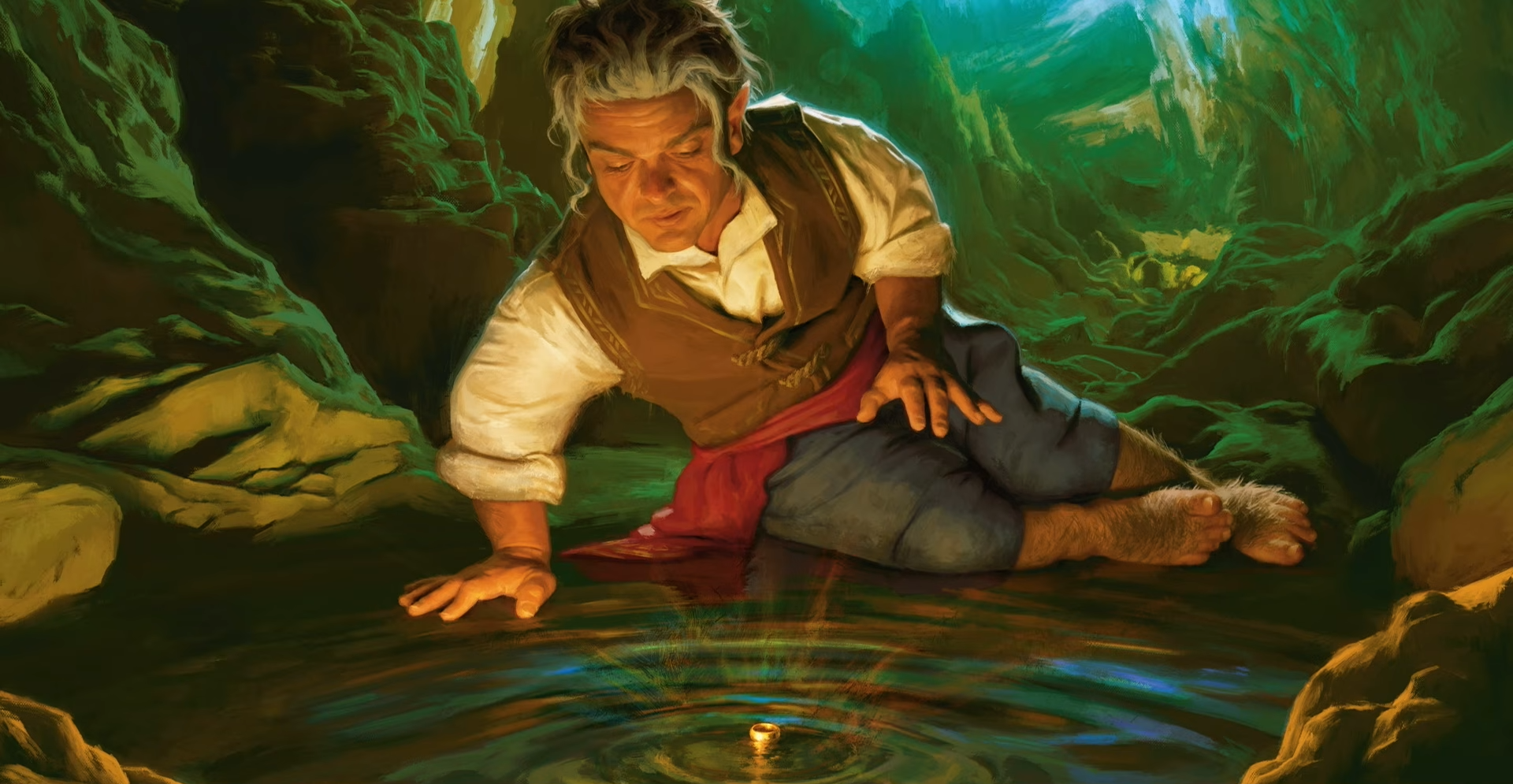
Magic: The Gathering's designers have signalled that future Universes Beyond crossover sets will lean more heavily towards fantasy settings, responding to fan frustration over external IPs that feel out of place in the game's traditional high-fantasy world. While collaborations such as Teenage Mutant Ninja Turtles and Marvel's Spider-Man have proved commercially successful, some players feel they clash with Magic's aesthetic, whereas Tolkien-inspired sets and Final Fantasy have been praised for fitting naturally into the game.
At MagicCon Amsterdam 2026, principal designer Gavin Verhey said internal testing showed fans wanted the upcoming Hobbit set, launching in August, to carry Magic's traditional "house style", while head designer Mark Rosewater described high fantasy as the game's enduring "creative centre" regardless of other experiments. Hasbro chief executive Chris Cocks reinforced this during an investor earnings call, saying next year's Universes Beyond partners would be "a bit more fantasy-adjacent" and confirming none would be set in a modern city like New York, acknowledging direct fan feedback.
In short
- Magic: The Gathering designers plan more fantasy-themed Universes Beyond crossovers
- The Hobbit set launches in August, echoing Lord of the Rings' success
- Hasbro CEO confirms next year's partners will be more fantasy-adjacent
Steelman: both sides, in good faith
The strongest fair case each way — we don't pick a winner.
The case for
Magic's 30-year identity rests on coherent high-fantasy worldbuilding, and fan testing confirms players prefer crossovers that maintain this aesthetic. Properties like Tolkien and Final Fantasy succeed precisely because they fit naturally into the game's universe. By honouring what makes Magic distinctive and what its player base demonstrably values, the designers preserve the game's creative integrity and maintain the immersive fantasy world that has sustained its success for decades.
The case against
Commercial evidence shows modern IP crossovers like TMNT and Spider-Man have attracted new audiences and driven sales, yet this successful approach is being constrained by aesthetic preferences. Restricting to fantasy-only partnerships unnecessarily narrows the game's growth potential and creative possibilities, especially when well-designed modern-setting content could coexist with traditional fantasy. Players have diverse preferences, and a thriving game should accommodate both world-building purists and those who enjoy pop culture variety.
Explained simply
Magic: The Gathering is a long-running fantasy card game in which players build decks of spells and characters and compete against one another. Its original worlds draw on familiar fantasy themes, such as magic, monsters and invented realms.
Universes Beyond is the name for sets that bring characters and settings from other stories into the game. These crossovers have included properties such as Teenage Mutant Ninja Turtles, Marvel’s Spider-Man, Tolkien’s world and Final Fantasy. Players differ over how well these settings fit Magic’s established look and feel.
The discussion matters because these sets bring new audiences and are a growing part of the game, while also shaping how Magic presents itself to existing players. Fantasy settings may feel more at home to some fans, while other players welcome a wider range of crossovers.
Americas Business Companies Culture Fashion