World news and discussion on TalkFuse.
Iran regime change talk resurfaces as Trump says Tehran ‘wants to meet’ amid US strikes
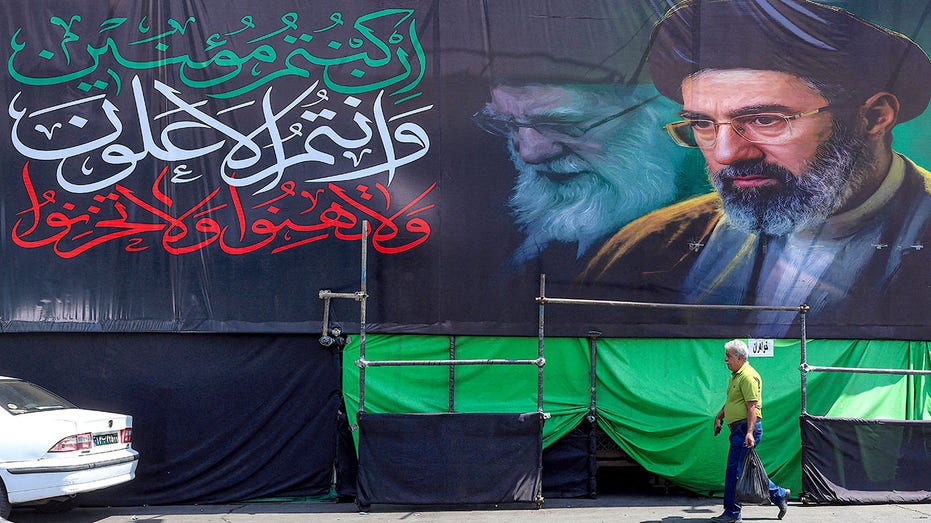
Reports suggest a debate has resurfaced within the Trump administration over whether the United States should actively support the removal of Iran's government, even as President Trump has said Tehran is now seeking talks. The renewed discussion comes as the conflict between the US and Iran continues to intensify, following American strikes on Iranian targets and the deaths of US service members in the region, raising questions about whether Washington is pursuing negotiation or escalation as its primary strategy.
According to an analysis by Financial Times columnist Gideon Rachman, published on Monday, the internal debate reportedly includes discussion of encouraging an uprising within Iran and reviving broader regime-change ambitions. This follows roughly ten nights of US strikes, including action against Iran's coastline, and comes after American troops were killed in Jordan and Iraq amid the wider unrest. Trump is said to be weighing his next steps as officials within his administration remain divided over the wisdom and feasibility of pushing for a change of government in Tehran.
In short
- Trump administration reportedly debating support for Iran regime change
- Trump says Iran now "wants to meet" for talks
- Comes after US strikes and deaths of US troops in region
Steelman: both sides, in good faith
The strongest fair case each way — we don't pick a winner.
The case for
Supporters of renewed regime change efforts argue that Iran's government has demonstrated through decades of conflict that traditional diplomacy and sanctions cannot modify its destabilising behaviour across the Middle East. They contend that supporting internal opposition movements could achieve meaningful reform more efficiently than prolonged confrontation, whilst being preferable to direct military intervention. From their perspective, a window of opportunity exists to enable change from within that serves both international stability and the interests of Iranians seeking democratic governance.
The case against
Opponents caution that externally-backed regime change carries severe risks of catastrophic unintended consequences, as amply demonstrated by interventions in Iraq and Libya. They argue that the Iranian government's institutional depth means externally-imposed change is unlikely to succeed, whilst the humanitarian and destabilising costs—including potential civilian casualties and regional conflict—would far outweigh uncertain benefits. In their view, pursuing regime change whilst simultaneously offering diplomacy fundamentally undermines both strategies, and sustained engagement remains preferable to the unpredictable outcomes of attempts at internal destabilisation.
Explained simply
Iran is governed by the Islamic Republic, established after the 1979 revolution that overthrew the monarchy. The country’s political system is led by a Supreme Leader, alongside an elected president and parliament, while the United States has had no diplomatic relations with Iran since 1980.
The two countries have long been at odds over issues including Iran’s nuclear programme, regional influence and US sanctions. Their tensions have periodically led to military confrontations and indirect talks, with each side weighing security concerns and the risks of a wider conflict.
“Regime change” means replacing a country’s government, either through internal political change or outside pressure. In the US, officials have debated this approach towards Iran before; the question matters because efforts to remove its government could affect Iranian people, regional stability and the prospects for diplomacy.
Americas Business Markets Middle East World