Culture news and discussion on TalkFuse.
Saquon Barkley tackling streaming maze as NFL keeps growing worldwide: ‘I’m all about eyes’
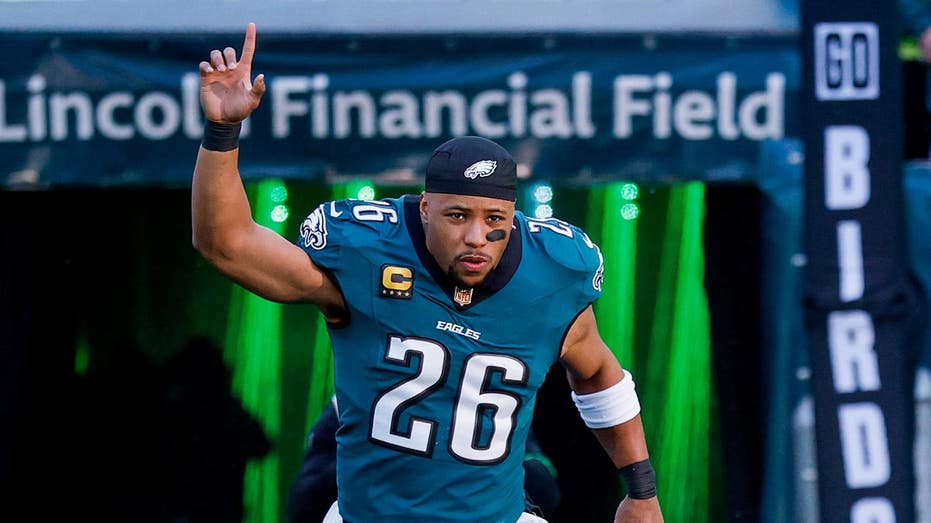
Saquon Barkley has partnered with DIRECTV to promote NFL streaming as the league continues its push into new viewing platforms and global markets. The move comes amid growing frustration from fans and lawmakers over the increasingly fragmented and costly landscape of NFL broadcast rights, which now span multiple streaming services alongside traditional television.
The article notes that watching a full season of one's team can require several subscriptions, with costs potentially reaching around $1,000. House Judiciary Committee Chairman Jim Jordan has raised concerns about whether the NFL's streaming arrangements comply with the 1961 Sports Broadcasting Act, calling for consistency with the law and fairness to consumers. Barkley's comments frame his involvement as being focused on maximising fan access and viewership ("I'm all about eyes") as the NFL expands its international audience.
In short
- Saquon Barkley teams up with DIRECTV to promote NFL streaming access.
- NFL fans face costly, fragmented streaming options, sometimes near $1,000 yearly.
- Lawmakers scrutinise NFL streaming deals under 1961 Sports Broadcasting Act.
Steelman: both sides, in good faith
The strongest fair case each way — we don't pick a winner.
The case for
The NFL's fragmented streaming arrangement violates the spirit of the 1961 Sports Broadcasting Act, which exists to prevent monopolistic practices and ensure fair consumer access to sports. Requiring fans to spend over £1,000 annually on multiple subscriptions to watch a single team undermines the Act's consumer protection purpose and prioritises NFL revenue over fan accessibility. Consolidating broadcasting rights would honour the regulatory framework designed specifically for sports distribution and restore reasonableness to viewing costs.
The case against
The modern media landscape is inherently fragmented across competing platforms, and the NFL must distribute content flexibly to maximise global reach and revenue, which ultimately funds player salaries and sport quality. The 1961 Sports Broadcasting Act predates contemporary technology and consumer choice; applying it rigidly ignores how audiences now access content across Netflix, Disney+ and beyond. Market competition drives innovation and lower prices more effectively than regulation. Fans retain choice in what they watch, and the revenue from multiple partnerships strengthens the league's long-term growth and competitiveness.
Explained simply
The National Football League (NFL) is the United States’ top professional American football league, with games watched by fans at home and abroad. Saquon Barkley is a prominent NFL player, and the league has been trying to reach more viewers through streaming services as well as traditional television.
NFL games are sold to broadcasters and streaming platforms in separate packages, so fans may need several subscriptions to follow their team through a season. The combined cost can be high, and the number of services involved has prompted concerns about whether games are easy and affordable to watch.
A 1961 US law, the Sports Broadcasting Act, sets rules for how professional sports leagues can sell television rights collectively. Jim Jordan, who chairs the US House Judiciary Committee, has questioned whether the NFL’s current arrangements fit the law; the debate matters to fans, broadcasters and the league as it seeks a wider audience.
Art Culture Entertainment TV World