Entertainment news and discussion on TalkFuse.
Steam Deck sales are seemingly down an estimated 82% – Bear with me while I put on my surprised face
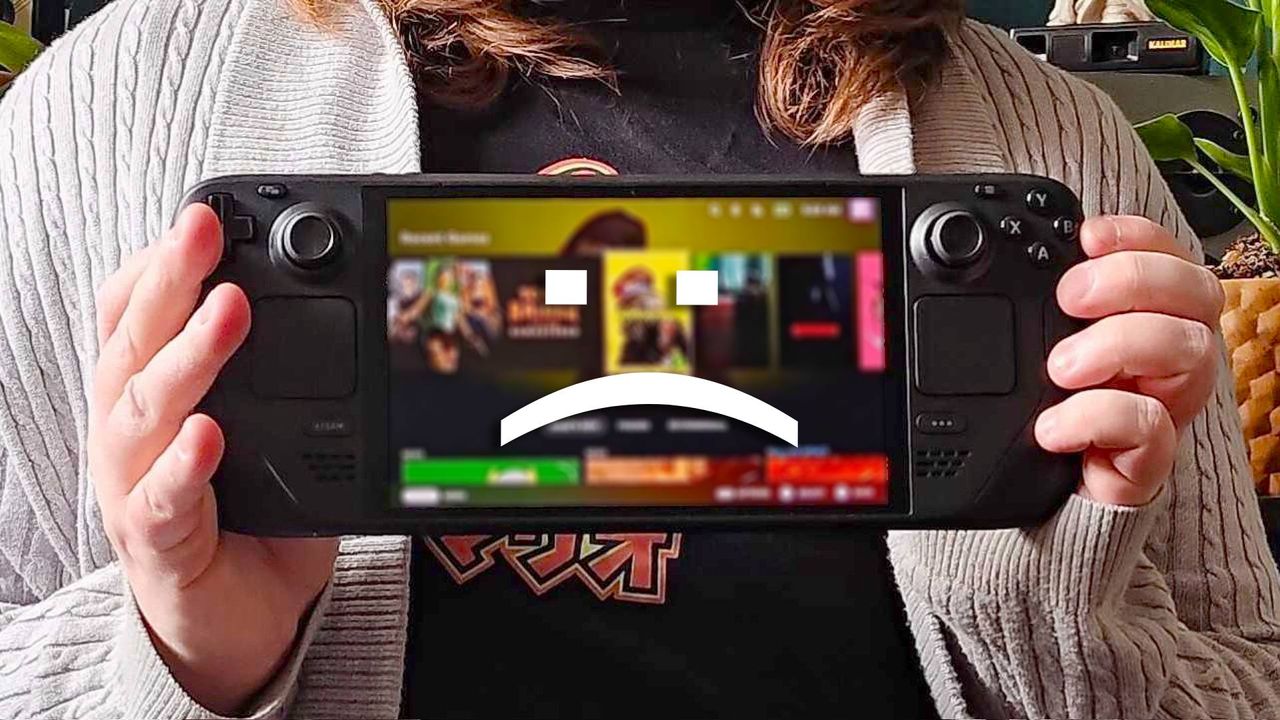
A report has claimed that sales of Valve's Steam Deck handheld have fallen by an estimated 82%, a figure being widely shared as evidence that the device's popularity is waning. The GamesRadar article treats the claim with heavy scepticism, framing the "decline" as an unsurprising and largely expected consequence of the console's sales cycle rather than a sign of failure, given that a hardware launch typically sees a huge initial surge in demand from early adopters that naturally tails off over time.
The piece argues that comparing current sales to the frenzied, supply-constrained peak around the Steam Deck's 2022 launch is a misleading way to measure the product's health, especially as the handheld PC gaming market has since become far more crowded with rivals such as the ASUS ROG Ally, Lenovo Legion Go and others competing for the same buyers. The author suggests that headline-grabbing percentage drops make for eye-catching stories but don't necessarily reflect Valve's actual commercial performance or the Steam Deck's continued relevance in the market.
In short
- Report claims Steam Deck sales down roughly 82% from their peak.
- Article argues the drop is a predictable post-launch cooldown, not a crisis.
- Increased handheld PC competition and hype fade are cited as key factors.
Steelman: both sides, in good faith
The strongest fair case each way — we don't pick a winner.
The case for
This represents a natural and unremarkable sales cycle for consumer electronics hardware. The Steam Deck's 2022 launch coincided with severe supply constraints and intense early-adopter demand, creating an artificially elevated baseline for comparison. Measured against sustainable long-term sales levels rather than the constrained-supply peak, the decline appears far less alarming. Market maturation—where initial enthusiasm gives way to steady-state demand—is healthy, not indicative of failure, and the device's continued presence despite new competition demonstrates ongoing commercial viability.
The case against
An 82 per cent sales drop remains substantial regardless of how one contextualises the initial surge, and suggests the Steam Deck may lack the resilience expected of a market-leading product. The rapid entry of well-resourced competitors such as ASUS and Lenovo indicates the market identified genuine opportunity where Steam Deck's momentum was faltering. If the handheld were truly thriving, one would expect greater resistance to new entrants and more robust sustained demand rather than this dramatic contraction.
Explained simply
The Steam Deck is a portable gaming computer made by Valve, the company behind the Steam game store. It lets people play many PC games on a handheld device, and its 2022 launch drew strong demand, with supplies initially limited.
Valve now competes with other handheld gaming PCs, including models from ASUS and Lenovo. Sales figures can be difficult to compare over time: a launch surge may be followed by lower demand as early buyers get their devices, while new rivals give customers more choice.