New faces, gulfs in class and flawed drama: how 48 teams changed the World Cup
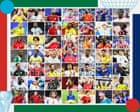
The first World Cup to feature 48 teams, won by Spain after 104 matches over five-and-a-half weeks in North America, delivered a mixed verdict on Fifa's decision to expand the tournament from 32 nations. Gianni Infantino pushed the change to make the competition more global, and debutants such as Cape Verde and Curaçao provided memorable moments, while six nations reached the knockout stages for the first time, including Egypt and Canada securing their maiden knockout wins.
However, the larger field also widened the gulf between stronger and weaker sides, with five group games showing ranking gaps of more than 65 places, compared with the biggest mismatch of 77 places at the 2022 tournament in Qatar. Only Uruguay suffered a major shock exit, while five teams matched or exceeded Costa Rica's 2022 record of a minus-eight goal difference, with Iraq finishing on minus 11. The article also flags Fifa's decision to retain four-team groups with eight third-placed sides advancing as a flawed element that failed to fully replicate the drama of tighter three-team formats.
In short
- Spain won the first-ever 48-team World Cup after 104 games.
- Debutant nations shone, but gaps between strong and weak teams grew.
- Third-place qualification system criticised as a flawed compromise.
Steelman: both sides, in good faith
The strongest fair case each way — we don't pick a winner.
The case for
Supporters of the 48-team expansion argue that the World Cup's fundamental purpose is to advance global football development and inclusion. The tournament delivered meaningful achievements: debutant nations had their historic moments, six teams reached the knockout stages for the first time, and emerging football nations like Egypt and Canada secured maiden knockout victories. These experiences matter profoundly for long-term global football development. While competitive gaps exist now, they are a temporary cost of democratising the sport and creating genuine opportunities for developing nations to gain experience at the highest level.
The case against
Critics contend that the expansion compromised competitive excellence and the dramatic tension that defines the World Cup. The larger field produced numerous one-sided matches with ranking gaps exceeding 65 places, and five teams finished with goal differences worse than previous tournaments' records, creating predictable rather than compelling football. The four-team group format with eight advancing third-place teams further diluted the drama and jeopardy essential to the tournament's prestige. The World Cup's value lies in being football's pinnacle competition, not a participation platform—and this expansion sacrificed that standing.
Explained simply
The men’s World Cup is an international football tournament run by Fifa, football’s global governing body. Before this edition, 32 national teams competed; the expansion to 48 was promoted by Fifa president Gianni Infantino as a way to include more countries.
A larger tournament gives more teams the chance to qualify, including countries making their first appearance. It also means more matches between teams with very different levels of experience and results, which can affect how closely contested the games are.
Teams are placed in groups, with the best progressing to knockout rounds, where a loss means elimination. How many teams advance from the groups shapes the stakes of each match, so the format matters to players, supporters and organisers.
Football Government Politics Sport