Entertainment news and discussion on TalkFuse.
Voices: ‘If Trump hates him, he’s the right choice’: Readers dismiss anger over Ed Miliband’s foreign secretary appointment
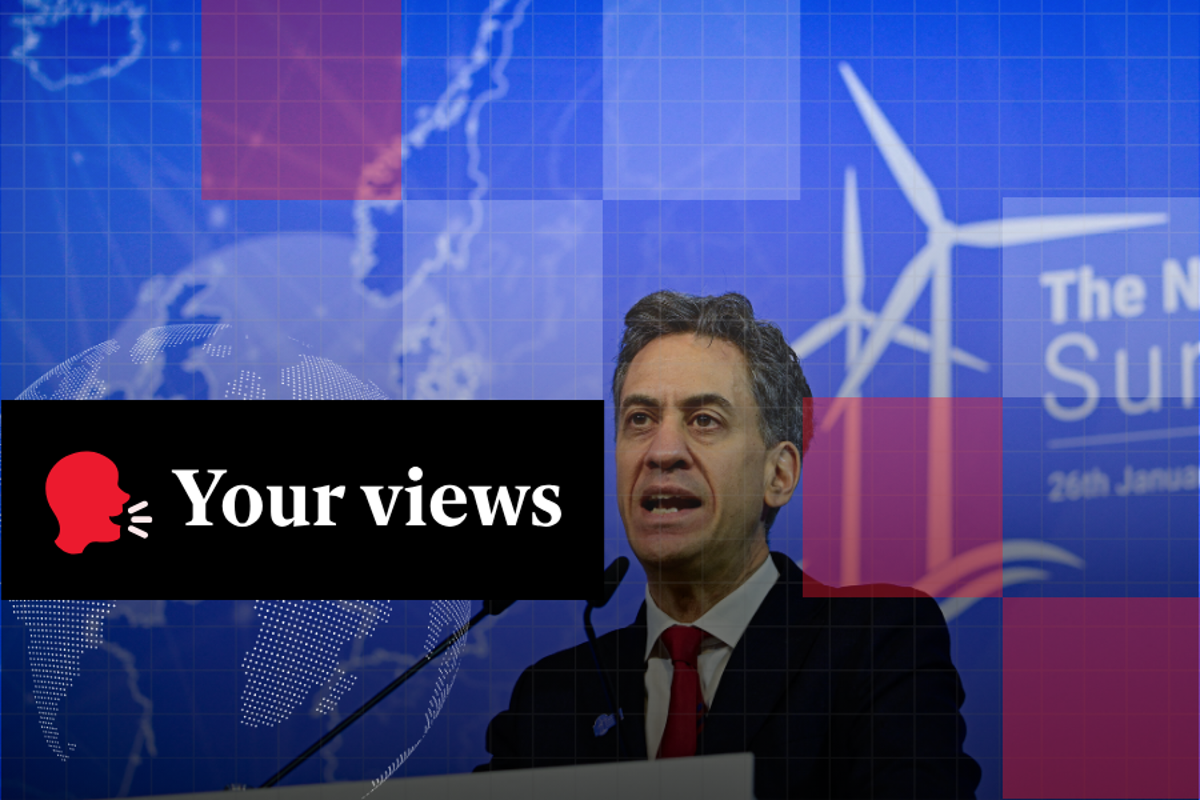
Ed Miliband's appointment as foreign secretary under new prime minister Andy Burnham has reportedly angered the White House, which is said to be "deeply concerned" about the choice given his long history of criticising Donald Trump. Readers of The Independent responded to the row largely by dismissing it as an overreach by Trump, arguing that a US president has no business influencing who sits in a British cabinet.
Miliband and Trump have clashed for around a decade, chiefly over net zero and Russia policy, with Miliband previously branding Trump a "racist, misogynistic, self-confessed groper" and accusing him of having "lowered the bar for idiocy". Burnham has reportedly been warned that Trump "will not forget" these remarks and that serious diplomatic repair work lies ahead. While most reader comments backed standing firm against perceived American interference and questioned the value of the "special relationship", a minority cautioned that provoking a sitting US president is risky for a UK that, outside the EU, depends heavily on its alliance with Washington.
In short
- White House reportedly furious over Ed Miliband's foreign secretary appointment
- Miliband and Trump have feuded for years over net zero, Russia
- Independent readers mostly side with Miliband over Trump's objections
Steelman: both sides, in good faith
The strongest fair case each way — we don't pick a winner.
The case for
British voters elected a government to serve British interests, and that government must retain the right to appoint its own cabinet without foreign interference, regardless of the US president's personal grievances. Miliband's criticisms of Trump on climate change, Russian aggression, and political conduct reflect genuine policy disagreements rooted in different values; allowing such criticisms to disqualify someone from office would establish a troubling precedent that political independence from American preferences is incompatible with high office. Capitulating to pressure would sacrifice British sovereignty for the sake of soothing wounded pride.
The case against
The UK now operates outside the EU and depends heavily on its alliance with the United States for security, intelligence, and trade; whilst sovereignty matters, so does the practical reality that needlessly antagonising one's most crucial ally carries genuine costs for national interests. Miliband's personal attacks on Trump – beyond legitimate policy disagreement – create documented diplomatic friction, and a prudent government must weigh whether the symbolic value of the appointment justifies likely deterioration in co-operation with Washington across defence, intelligence-sharing, and economic matters during a period of considerable international uncertainty.
Explained simply
The foreign secretary is the senior UK minister responsible for relations with other countries. The prime minister chooses the cabinet, while the US president leads a separate government and has no formal role in appointing British ministers.
Ed Miliband has criticised Donald Trump over issues including climate policy and Russia. Their past clashes matter because the UK and US work closely on defence, security and diplomacy, often described as a “special relationship”.
Tensions between the two governments could affect how they work together, although disagreement does not by itself determine the course of that relationship. The debate reflects a wider question about how Britain should balance its independence in choosing ministers with the practical importance of ties to Washington.