Culture news and discussion on TalkFuse.
IndyCar teams come to terms on the series’ first-ever charter sale, which shakes up the grid for 2027
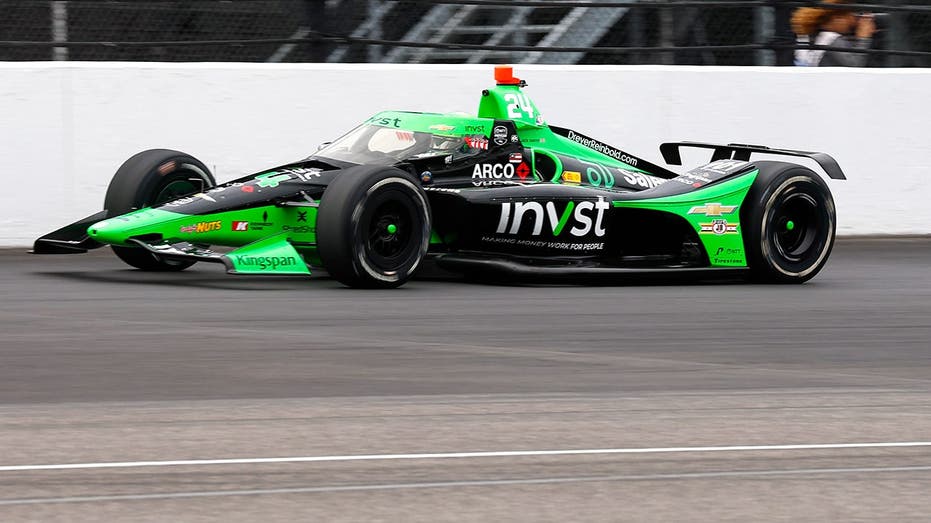
IndyCar has completed its first-ever sale of a team charter, in a deal that will reshape the series' grid from 2027. Rahal Letterman Lanigan Racing has agreed to sell one of its three charters to Dreyer & Reinbold Racing, subject to approval from IndyCar, marking a significant moment for the sport as charters – which guarantee entry and financial benefits – become tradeable assets between teams for the first time.
The move brings a team already well known to IndyCar fans back into a fuller role on the grid via the charter system, while Rahal Letterman Lanigan Racing retains two of its three charters. The sale sets a precedent for how future charter transactions may unfold within the series, with further details of the arrangement expected as the transaction moves through the approval process.
In short
- IndyCar's first-ever team charter sale has been agreed
- Rahal Letterman Lanigan Racing sells one charter to Dreyer & Reinbold Racing
- Deal needs IndyCar approval; takes effect for the 2027 season
Steelman: both sides, in good faith
The strongest fair case each way — we don't pick a winner.
The case for
Charter trading provides financial flexibility for teams in difficulty and creates entry opportunities for experienced operators like Dreyer & Reinbold. This market-based system reflects modern sports business and allows resources to flow where they generate most value, potentially invigorating the grid.
The case against
Critics worry that charter trading will concentrate power among wealthier teams, creating a two-tier grid that disadvantages smaller independents and new entrants. When capital rather than merit determines survival, competitive balance suffers, and the stability fans value in team continuity gives way to a fluid market in ownership.
Explained simply
A charter in IndyCar is a guarantee that permits a team to compete in the series and provides associated financial benefits. Historically, these charters were permanent assets that could not be transferred to other organisations – teams that held them kept them indefinitely. This restriction has now changed, allowing charters to be traded between teams for the first time.
The change follows a deal between Rahal Letterman Lanigan Racing and Dreyer & Reinbold Racing, in which the former is selling one of its three charters to the latter. This transaction represents the first time in IndyCar's history that such an arrangement has been possible, with the deal pending final approval from the series' governing body before it can take effect.
The sale establishes a precedent for how these valuable assets might move between teams in future. With charters now potentially tradeable, the competitive structure of IndyCar could change from 2027 onwards, as organisations gain new options for entering or expanding their presence in the series. This represents a shift from how the sport has traditionally managed its grid.
Art Culture Entertainment TV World