Mamdani dodges on ‘political theater’ of empty Netanyahu arrest threat, calls for US action and NYC protests
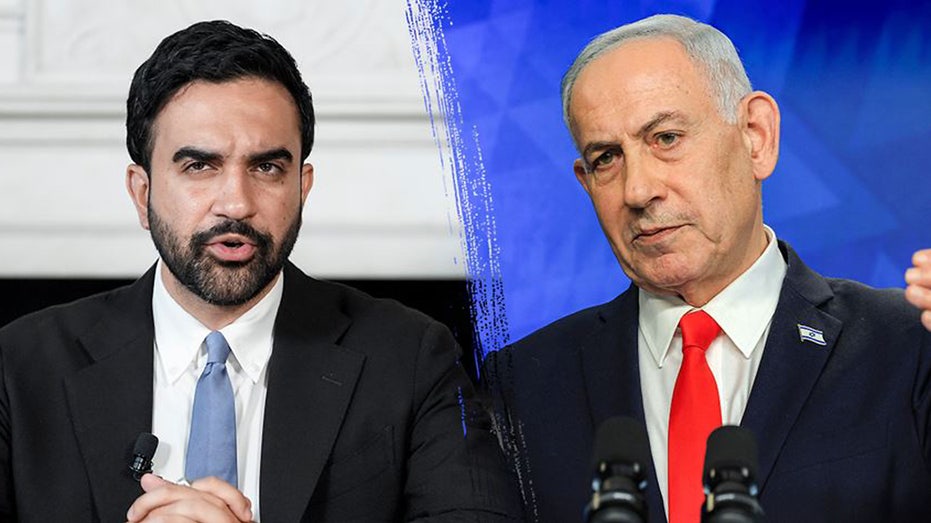
New York City Mayor Zohran Mamdani has declined to explain when he discovered that his administration has no legal authority to arrest Israeli Prime Minister Benjamin Netanyahu, despite having repeatedly promised during his campaign to detain the Israeli leader if he visited the city. The revelation undercuts a signature pledge from his mayoral run and raises questions about whether the promise was ever legally credible, feeding into wider Republican criticism of Mamdani's stances on Israel and foreign policy.
Pressed on whether the abandoned arrest threat amounted to "political theater," Mamdani said his administration had reviewed the applicable law but avoided directly addressing the timing of when he learned the city lacked jurisdiction to act on an International Criminal Court warrant. He instead called on federal authorities to join the ICC in pursuing accountability for Netanyahu, whom he has referred to as a "war criminal," and said protests in New York City would be respected. The comments have drawn sharp reactions from critics, including a survivor of a Hamas terror attack, and have exposed divisions among House Democrats over the arrest proposal.
In short
- Mamdani admits city cannot legally arrest Netanyahu as promised
- He dodged questions on when he learned this
- Calls on US and ICC to pursue Netanyahu instead
Steelman: both sides, in good faith
The strongest fair case each way — we don't pick a winner.
The case for
Mamdani's campaign commitment reflected genuine intent to pursue accountability, but careful legal analysis during implementation revealed that a New York City mayor lacks jurisdiction over international criminal matters—a complexity that can emerge even with due diligence. Rather than abandoning the underlying principle, his administration is now pursuing federal action and respecting public protest, demonstrating that the commitment to accountability remains substantive even if the specific legal mechanism proved unavailable. Discovering unforeseen jurisdictional limitations during the governing process is a normal part of implementing policy.
The case against
A mayor must research the basic legal and jurisdictional boundaries of their office before making such a prominent campaign promise as a central pledge. Either Mamdani failed to conduct proper due diligence before promising, or he made a deliberate promise he knew he could not keep—his evasion about when he discovered the legal limitation suggests the latter. Breaking a signature campaign promise and then avoiding straightforward answers about the contradiction is political theatre that damages public trust in political commitments.
Explained simply
The International Criminal Court is a treaty-based court that investigates and prosecutes individuals accused of serious international crimes. Its arrest warrants are carried out by national governments that have legal duties to co-operate; New York City’s mayor and police do not have authority to enforce them.
Benjamin Netanyahu is Israel’s prime minister, and Zohran Mamdani is New York City’s mayor. The issue has become part of US debate over Israel and the war in Gaza, including how governments should respond to allegations of international crimes and what role, if any, the United States should play in supporting the court.
Americas Government Politics World