Culture news and discussion on TalkFuse.
Hyundai claims humanoid robot plan is not part of talks with striking workers
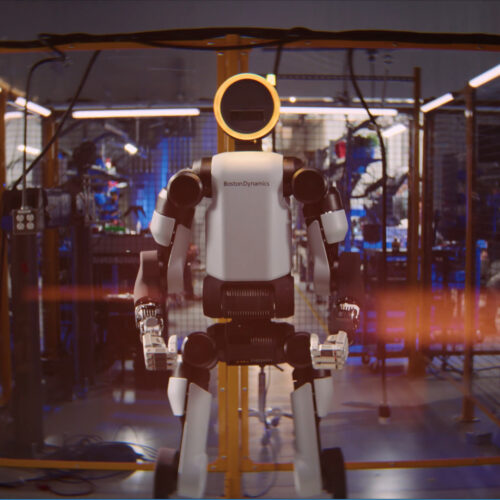
Hyundai has denied that its plans to deploy humanoid robots are part of ongoing negotiations with striking workers at its South Korean plant, disputing reports that the industrial action was driven by fears over automation. The company says the union's demands centre on pay-related issues, including wage increases, bonuses and a later retirement age, and insists that discussions about deploying robots at Korean facilities are not currently on the table. The dispute matters because it touches on wider anxieties across South Korea's labour movement about job security as companies adopt AI and robotics.
Hyundai says its concrete robot plans are limited to deploying its Atlas humanoid robot, built by its subsidiary Boston Dynamics, at the Metaplant America electric vehicle factory near Savannah, Georgia, from 2028, with any wider rollout to be discussed with affected workforces. However, the Wall Street Journal reported the union is pushing "unprecedented" job-protection demands linked to AI and automation, and the union previously warned Hyundai that no robot could enter the workplace without a labour-management agreement. Hyundai and the union are reviewing a wage reform that would convert overtime and night-shift pay into fixed wages, though experts warn this could hit productivity. The strikes come amid a broader wave of South Korean labour disputes since a new "yellow envelope" law took effect in March 2026, which expands worker protections and requires automation decisions affecting working conditions to be collectively bargained.
In short
- Hyundai denies robot deployment plans are part of strike talks with union
- Union demands focus on pay, bonuses and retirement age, Hyundai says
- New South Korean labour law may require automation plans to be negotiated
Steelman: both sides, in good faith
The strongest fair case each way — we don't pick a winner.
The case for
Automation is a legitimate concern in labour negotiations given that it affects workers' jobs and livelihoods. Hyundai owns Boston Dynamics and invests heavily in humanoid robotics; negotiating automation only after deployment decisions are made leaves workers without meaningful say. The new South Korean labour law requires that automation decisions affecting working conditions be collectively bargained. Rather than treating automation as separate from wage negotiations, workers argue that job security protections linked to automation must be negotiated now, when the company requires labour's cooperation.
The case against
The company states transparently that its current plans centre on the Georgia facility from 2028, whilst the new labour law already requires that any Korean deployment affecting working conditions be collectively bargained. Treating speculative future scenarios as negotiating points in current wage discussions prevents productive bargaining and conflates separate issues. Workers' stated demands concern pay, bonuses and retirement terms; according to the company's position, these should be resolved on their merits without entanglement with anxieties about hypothetical future automation. Mixing future technology concerns with present wage disputes impedes reaching agreement on workers' immediate needs.
Explained simply
Hyundai is a South Korean carmaker whose workers are represented by a trade union. The union and company negotiate over pay and working conditions, and workers have gone on strike during the current dispute.
Hyundai also owns Boston Dynamics, which makes the Atlas humanoid robot. The company has described plans to use Atlas at a new electric-car factory in Georgia from 2028, while automation has prompted wider concerns among South Korean workers about job security.
The dispute sits within a broader debate over how decisions about robots and other automation should involve workers. South Korea’s “yellow envelope” law, which took effect in March 2026, expands worker protections and requires some automation decisions affecting working conditions to be negotiated collectively.