Video games news, releases, esports and culture — all the biggest gaming stories in one place.
Fallout 3 and New Vegas remasters need to steal Fallout 4’s best feature
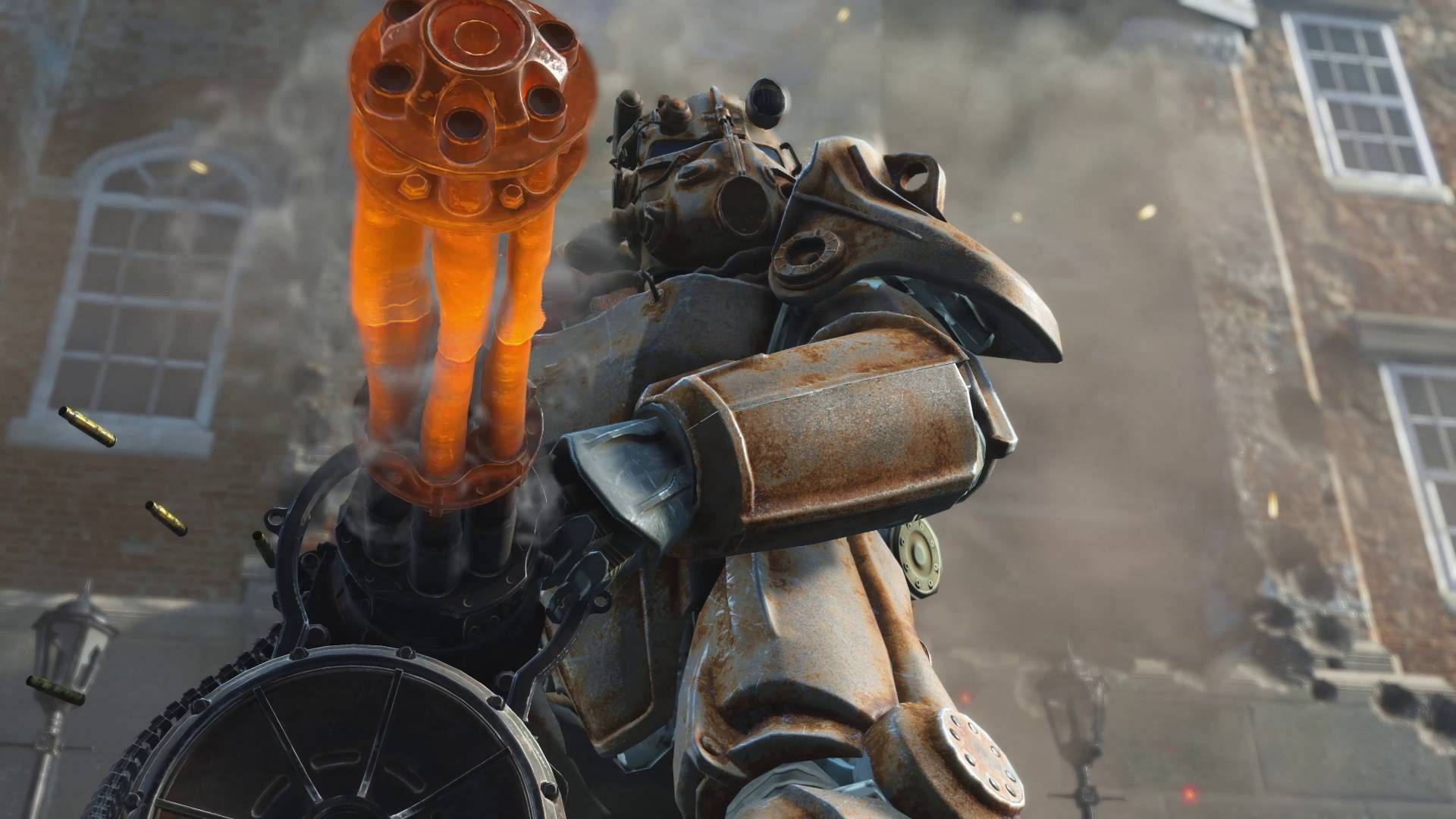
Fallout 4 reimagined power armor as a limited resource requiring strategic management, where suits must dock at stations for repairs and run on fusion cores—a departure from earlier entries where armor functioned as standard equipment players could freely equip and store. This design choice transforms power armor into a meaningful gameplay element that delivers both challenge and reward, creating the sensation of piloting an actual machine rather than simply wearing protective clothing.
The article argues that future Fallout projects, including potential remasters and the rumored Obsidian Entertainment sequel, should adopt this same framework. The Amazon Fallout television series reinforces this vision by portraying power armor as heavy, demanding equipment that commands respect despite its destructive capability, suggesting that aligning game mechanics with the show's direction could better serve both longtime fans and newly recruited viewers.
In short
- Fallout 4 treats power armor as fuel-dependent vehicles requiring maintenance, contrasting with earlier games' inventory-based system
- The redesigned mechanics create stronger strategic gameplay and sense of power, aligning with the Amazon TV series' portrayal
- Future remasters and sequels should adopt Fallout 4's approach to maintain consistency across media
Steelman: both sides, in good faith
The strongest fair case each way — we don't pick a winner.
The case for
Fallout 4's power armor system creates meaningful strategic depth and memorable moments through resource scarcity, transforming armor from mundane equipment into genuinely consequential decisions about when and where to engage enemies. This modernized approach aligns with the television adaptation's portrayal of power armor as formidable and weighty, whilst offering remasters an opportunity to enhance gameplay without departing from the core experience players cherish—simply making those beloved games more tactically engaging and thematically consistent with contemporary Fallout media.
The case against
Remasters exist to preserve and respectfully update original games, not to impose later design philosophies onto them. Fallout 3 and New Vegas succeeded with their own power armor systems, and countless players have fond memories of those specific mechanics; altering something so fundamental betrays what a remaster should be. Different games warrant different systems reflecting their unique design visions, and the television adaptation represents just one creative interpretation rather than a directive for how all Fallout games must operate.
Explained simply
Fallout is a long-running video game franchise set in a post-apocalyptic world, where players discover and equip various types of armour to protect themselves. Power armour—the most impressive and powerful variety—has been a sought-after feature throughout the series, offering significant defensive advantages to those who locate and use it. In earlier entries, such as Fallout 3 and New Vegas, power armour functioned like regular clothing: players could put it on, take it off, and store it as they wished.
Fallout 4, released in 2015, changed this fundamentally by treating power armour as a rare and demanding resource instead. In this version, suits must be regularly repaired at special stations, they require a consumable energy source called fusion cores to operate, and players must physically enter the armour rather than simply equip it. This approach makes power armour feel like a vehicle that pilots must actively manage rather than just protective clothing they wear.
The argument being made is that future Fallout projects, including remasters of earlier games, should adopt Fallout 4's system for power armour. Supporters point to the Amazon Fallout television series, which portrays power armour as genuinely weighty and consequential equipment, suggesting that game mechanics which reflect this vision might appeal to both existing fans and viewers discovering the franchise through the show.