Entertainment news and discussion on TalkFuse.
‘House of the Dragon’ Quietly Dropped a Daemon and Rhaenyra Twist We Never Saw Coming
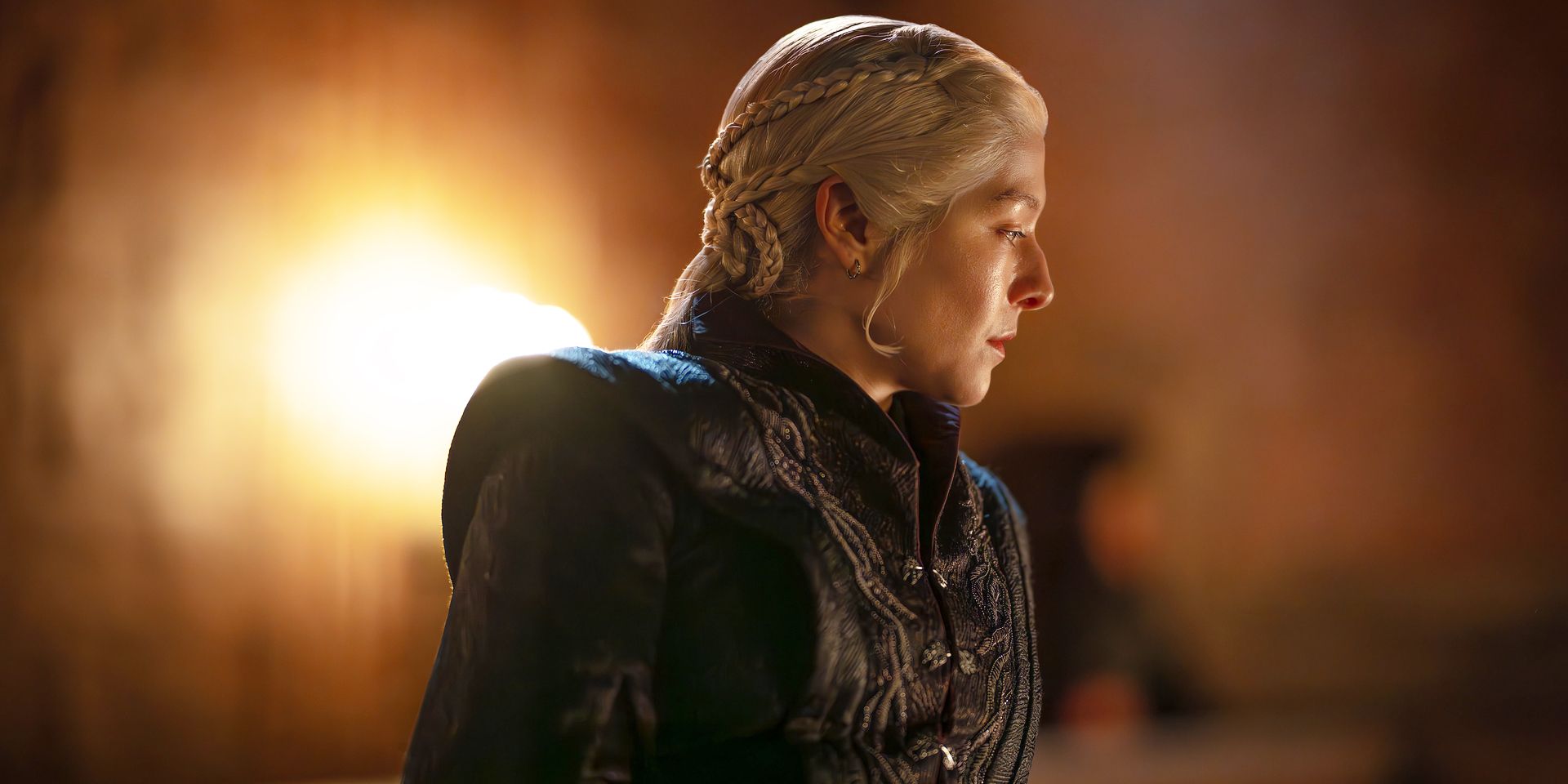
House of the Dragon's third season has quietly reversed the personalities of its two central Targaryen figures, with Queen Rhaenyra now pushing for rash, aggressive action while her uncle-husband Daemon, once known as the impulsive "Rogue Prince," has become the cautious strategist. This shift matters because it upends the show's established dynamic and forces both characters to confront the compromises that come with holding power, echoing the season's recurring theme that ruling exacts a heavy toll on those who seek it.
In episode five, Rhaenyra's fears about sabotage within King's Landing prove justified, as an unseen enemy is assassinating loyal Gold Cloaks and undermining the legitimacy of her heir, Joffrey. Despite her mounting frustration and desire to eliminate rivals Aemond and Vhagar outright, her forces lack the numbers to tackle every threat at once, meaning Daemon's more measured, militarily minded approach — including targeting Ormund Hightower — may in fact be the wiser course of action.
In short
- Rhaenyra and Daemon's personalities swap in House of the Dragon season 3.
- Rhaenyra grows rash while Daemon becomes the calculating strategist.
- Sabotage within King's Landing threatens her rule and heir Joffrey's legitimacy.
Steelman: both sides, in good faith
The strongest fair case each way — we don't pick a winner.
The case for
This character reversal demonstrates sophisticated storytelling that reflects the transformative effects of wielding power. Rather than inconsistency, the shift represents organic growth: Daemon's strategic caution has emerged from hard experience with his own recklessness, whilst Rhaenyra's increased aggression stems from the mounting frustration of civil war and sabotage. The evolution effectively reinforces the season's thematic examination of how rule exacts a toll on those who seek it.
The case against
This reversal fundamentally undermines character consistency established across multiple seasons and risks privileging thematic messaging over authentic characterisation. Daemon's impulsiveness and Rhaenyra's deliberation were central to their identities; reversing these traits primarily to illustrate how power corrupts feels contrived rather than organic. When writers subordinate character arcs to deliver a message, audiences may experience the shift as character assassination rather than earned growth.
Explained simply
House of the Dragon is a prequel to Game of Thrones set during a civil war within the Targaryen dynasty. The show focuses on Queen Rhaenyra, who holds the throne, and her uncle and husband Daemon, who was previously known for his impulsive and reckless nature.
In the show's third season, these characters have undergone a notable reversal. Rhaenyra has become more aggressive and eager for swift military action, whilst Daemon has become cautious and strategic. This matters because it shows how the demands of power reshape people's priorities and behaviour.
Both characters are discovering that effective rule requires patience and compromise rather than swift, forceful action. This tension between their differing approaches has become central to their relationship and leadership. The shift reflects the season's broader theme that holding power comes at a significant cost.