Carmakers lobbied UK to revoke ban on petrol and diesel cars after 2035
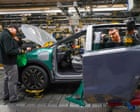
Major carmakers including BMW, Ford, Nissan and Toyota, along with parts supplier Bosch, privately lobbied the UK government to revoke the planned 2035 ban on new petrol and diesel car sales, according to documents obtained via a freedom of information request. This is significant because the ban is a cornerstone of the UK's decarbonisation strategy, with the switch to electric vehicles identified by the government's Climate Change Committee as the single biggest contributor to cutting carbon emissions over the next decade.
The companies sent a joint letter to ministers in April calling for an "open technology approach" that would permit efficient combustion engines, hybrids and plug-in hybrids beyond 2035, provided they used green steel and sustainable fuels, and requested a meeting with ministers for Wales, Northern Ireland and Scotland. A government spokesperson said the ban was not up for negotiation, though Labour has already introduced flexibilities to EV targets running to 2030 and is weighing further changes to the zero emission vehicle mandate. The move drew criticism from campaigners and Polestar UK's managing director Matt Galvin, who called reversing the transition a "historic policy failure", while critics also note the carmakers' proposed "e-fuels" solution is considered unviable at scale due to energy wastage.
In short
- Carmakers secretly lobbied UK to scrap 2035 petrol/diesel car ban
- BMW, Ford, Nissan, Toyota and Bosch sent joint letter in April
- Government says ban isn't up for negotiation; EV campaigners condemn lobbying
Steelman: both sides, in good faith
The strongest fair case each way — we don't pick a winner.
The case for
Carmakers and their supporters contend that the 2035 deadline is too rigid given current technological readiness, supply chain limitations and consumer affordability concerns, and that a more flexible approach permitting advanced hybrids and sustainable fuels could achieve genuine decarbonisation whilst maintaining industrial competitiveness and protecting consumers from excessive costs. They argue that reasonable engagement with industry on timelines reflects pragmatic policymaking rather than obstruction of climate goals.
The case against
Environmental advocates and climate policy supporters maintain that the 2035 ban represents a critical, non-negotiable commitment essential for meeting carbon reduction targets, and that carmakers' private lobbying reflects a familiar pattern of corporate interests seeking to avoid regulatory burdens rather than raise genuine technical concerns. They emphasise that e-fuels remain unproven at scale, that manufacturers elsewhere are already adapting to EV transitions, and that weakening policy through lobbying would constitute a failure of governance precisely when climate action demands resolve.
Explained simply
The UK government committed in 2020 to ban the sale of new petrol and diesel cars from 2035, which is earlier than many other major economies. This ban is a key part of the government's plan to reduce carbon emissions and tackle climate change, with the Climate Change Committee identifying the switch to electric vehicles as the most important single step the country can take to lower emissions over the next decade.
Major carmakers including BMW, Ford, Nissan and Toyota, along with parts supplier Bosch, have privately asked the government to reverse this decision. They want the ban to allow petrol and diesel cars to continue being sold after 2035 if they use green fuels or are hybrid vehicles, arguing that this gives manufacturers more flexibility and more time to adapt.
The government has said the ban is not negotiable, though it has made some changes to other electric vehicle targets. Environmental campaigners and some industry figures have criticised the carmakers' proposal, arguing that the alternative fuels they suggest cannot be produced at sufficient scale and that delaying the transition away from fossil fuels would damage climate goals.
Americas Art Business Climate Culture Government Politics Science UK World