Culture news and discussion on TalkFuse.
Stalker 2 studio founder’s claims that Xbox paid more for exclusivity than the game cost to make “do not reflect the actual facts”, according to GSC Game World
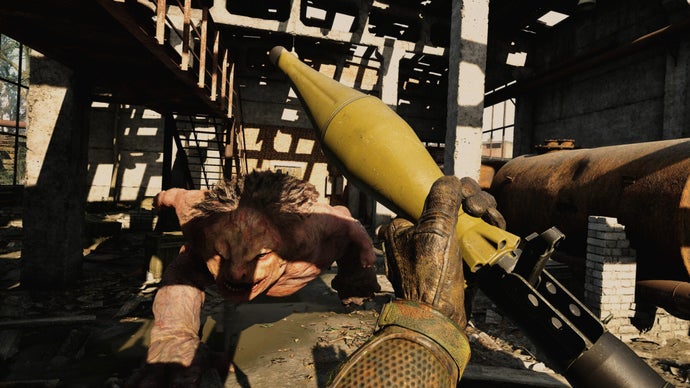
GSC Game World, developer of Stalker 2, has publicly rejected claims made by the studio's original founder Sergiy Grygorovych that Xbox paid more for a console exclusivity deal than the game cost to produce. The dispute matters because it touches on the finances and ownership history of one of the biggest Ukrainian-developed games in recent years, and comes after Grygorovych left the studio in 2023 following a change in ownership.
Grygorovych made the claims in an interview with YouTuber OLDboi, reportedly translated from Ukrainian, saying GSC "took more than the cost of Stalker 2" from the Xbox deal and that it "paid for itself before the first day". In a statement to IGN, GSC said his comments "do not reflect the actual facts", stressing he had no involvement in partner negotiations or development after the ownership changes, and that current owner Max Krippa funded most of the game's development budget. GSC also confirmed it is working on a major update and the first big story-driven DLC for Stalker 2.
In short
- GSC Game World denies ex-founder's claims about Xbox exclusivity payments.
- Founder Sergiy Grygorovych said the deal "paid for itself" instantly.
- GSC says current owner Max Krippa funded most development costs.
Explained simply
Stalker 2 is a video game made by Ukrainian studio GSC Game World. The game is exclusively available on Microsoft's Xbox, and a dispute has arisen over how much Xbox paid for this exclusive arrangement.
The studio went through ownership changes in 2023, when founder Sergiy Grygorovych left and Max Krippa took over. Grygorovych has claimed Xbox paid more for exclusivity than the game cost to develop, but the current studio leadership disputes this claim.
The disagreement is noteworthy because Stalker 2 is one of the most significant games ever made in Ukraine, and questions about its funding and major business deals attract broad interest. The question of who paid for the game's development is particularly relevant because the studio created the game during a period of major geopolitical instability.
Art Culture Entertainment Gaming