Business news and discussion on TalkFuse.
Alaska’s Dan Sullivan tells ‘Ruthless’ he will overcome Dem effort to ‘steal’ his name
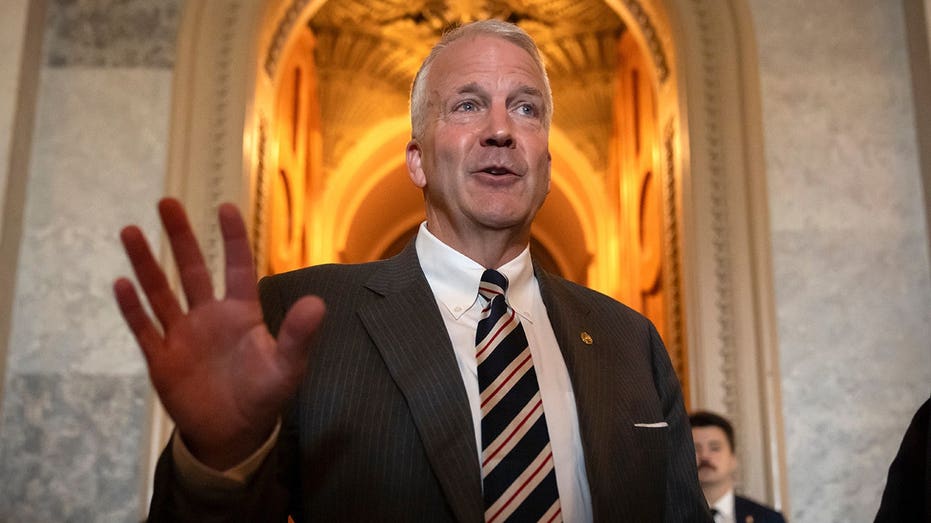
Republican Senator Dan Sullivan of Alaska has told the "Ruthless" podcast that he expects to fend off what he describes as a Democratic effort to confuse voters by running a same-named opponent in his re-election race, framing it as an underhand tactic rather than a genuine threat to his seat. The claim highlights the increasingly personal and combative tone of the 2026 Senate contest in Alaska, with Sullivan positioning himself as the target of deliberate political interference by opponents ahead of the vote.
Sullivan told the conservative podcast he was confident of overcoming the alleged ploy, which he characterised as an attempt to "steal" his name and mislead the electorate, though the article does not detail the identity or specifics of the rival candidate involved. He struck a defiant tone about his prospects in the race, framing the episode as evidence of Democratic desperation rather than a serious obstacle to his campaign.
In short
- Sen. Dan Sullivan alleges Democrats plan to use his name against him.
- He told the "Ruthless" podcast he's confident of winning regardless.
- Comments frame Alaska's Senate race as increasingly contentious.
Steelman: both sides, in good faith
The strongest fair case each way — we don't pick a winner.
The case for
If Democrats have deliberately nominated a same-named candidate to exploit voter confusion, this represents an unethical electoral tactic that prioritises partisan advantage over democratic clarity. Deliberately confusing voters through name duplication undermines the principle that electoral competition should be decided on candidates' merits rather than ballot manipulation. Even if technically legal, such practices degrade democratic integrity.
The case against
A candidate's fundamental right to run for office under their legal name should not be restricted based on an incumbent's surname. Voters possess multiple ways to distinguish candidates—party affiliation, ballot position, campaign history, and news coverage—and restricting candidacy based on names would set a troubling precedent against democratic participation. Even vigorous electoral competition must respect candidates' basic right to stand for office.
Explained simply
Dan Sullivan is a Republican senator from Alaska standing for re-election in 2026. The race includes another candidate with the same or very similar name.
When candidates share surnames with prominent opponents, voters could potentially be confused and inadvertently vote for the wrong candidate. Sullivan has characterised this situation as a deliberate Democratic tactic intended to confuse voters and split support.
Senate races determine which party controls the chamber in Washington, and Alaska's election is among several closely watched contests that could shift the balance of power. Questions about campaign tactics and electoral fairness have become increasingly prominent in contemporary American politics.
Business Elections Government Markets Politics World