Culture news and discussion on TalkFuse.
Netflix’s New 6-Part Series Gives This Romantic 125-Year-Old Novel a Modern Makeover
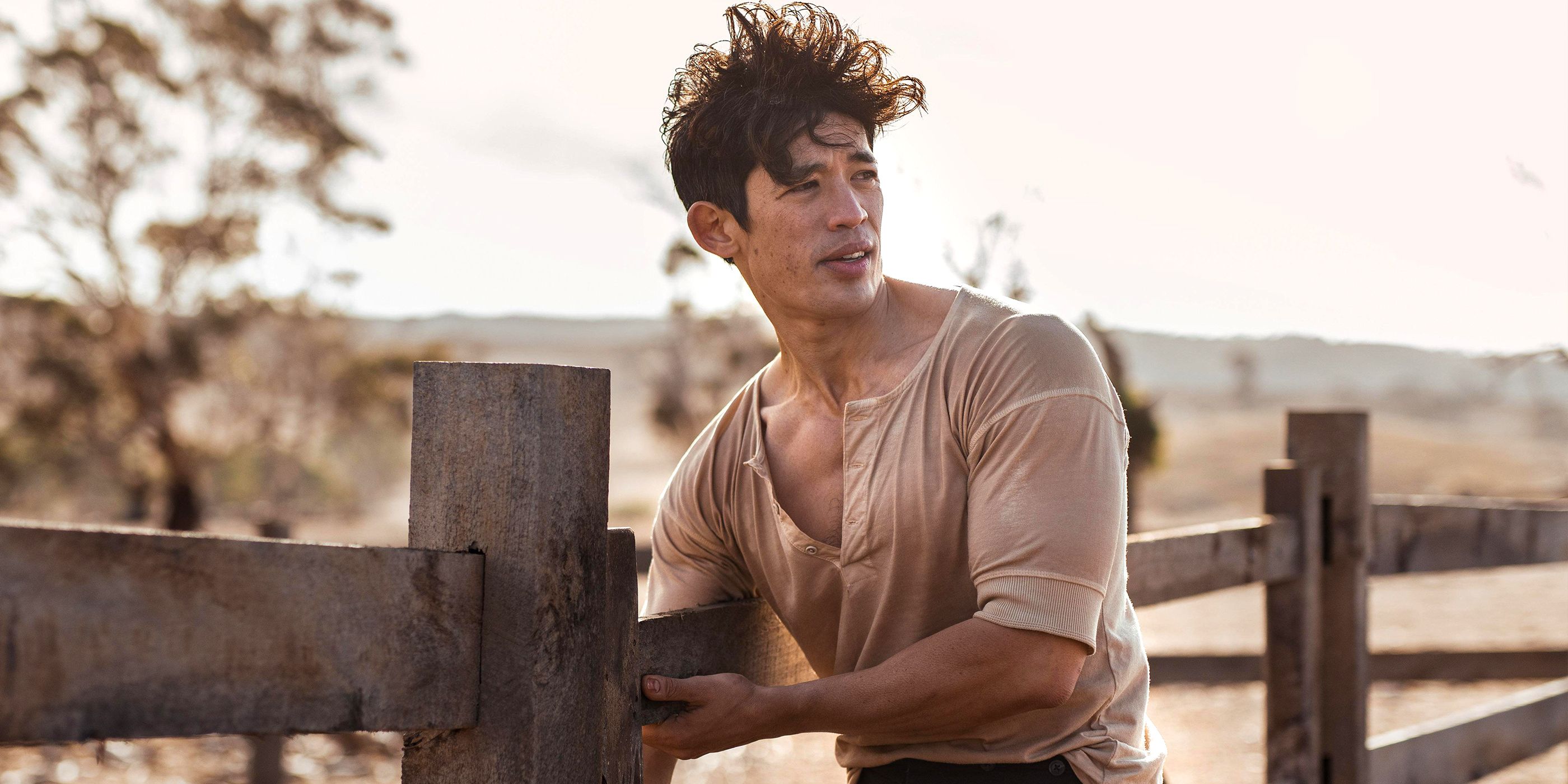
Netflix is set to release My Brilliant Career, a six-part series adapted from Miles Franklin's 1901 Australian novel, on 13 August 2026. Set in Australia around the turn of the 20th century, the show follows Sybylla, a headstrong young woman who resists her family's expectations of marriage in favour of pursuing a career as a writer, before falling in love complicates her plans. It joins a wave of popular period romance dramas, following in the footsteps of shows like Bridgerton and The Buccaneers.
Philippa Northeast stars as Sybylla, with a supporting cast including Christopher Chung, Anna Chancellor, Genevieve O'Reilly, Kate Mulvany, Jake Dunn, Alexander England, Sherry-Lee Watson and Miah Madden. The series was developed and written by Liz Doran, and was filmed on location in South Australia, with Netflix describing the story's themes as remaining relevant more than a century after the novel's original publication.
In short
- Netflix's My Brilliant Career premieres 13 August 2026, based on the 1901 novel
- Follows Sybylla, who chooses writing ambitions over expected marriage
- Philippa Northeast leads a cast filmed on location in South Australia
Explained simply
My Brilliant Career is a 1901 Australian novel by Miles Franklin. The story follows Sybylla, a young woman who pursues a career as a writer rather than accept the marriage her family expects, exploring the tension between personal ambition and social convention in early 20th-century Australia.
Period romance dramas have become increasingly popular in recent years, with shows like Bridgerton and The Buccaneers attracting large audiences. These series typically explore how characters navigate love, duty and personal ambition within the constraints of their historical period.
Netflix has adapted the novel into a six-part series written by Liz Doran and starring Philippa Northeast as Sybylla. The streaming service has noted that the story's themes about female independence and personal choice continue to resonate with audiences more than a century after its original publication.