Culture news and discussion on TalkFuse.
The 50-year-old rock song inspired by an irregular heartbeat that will live forever
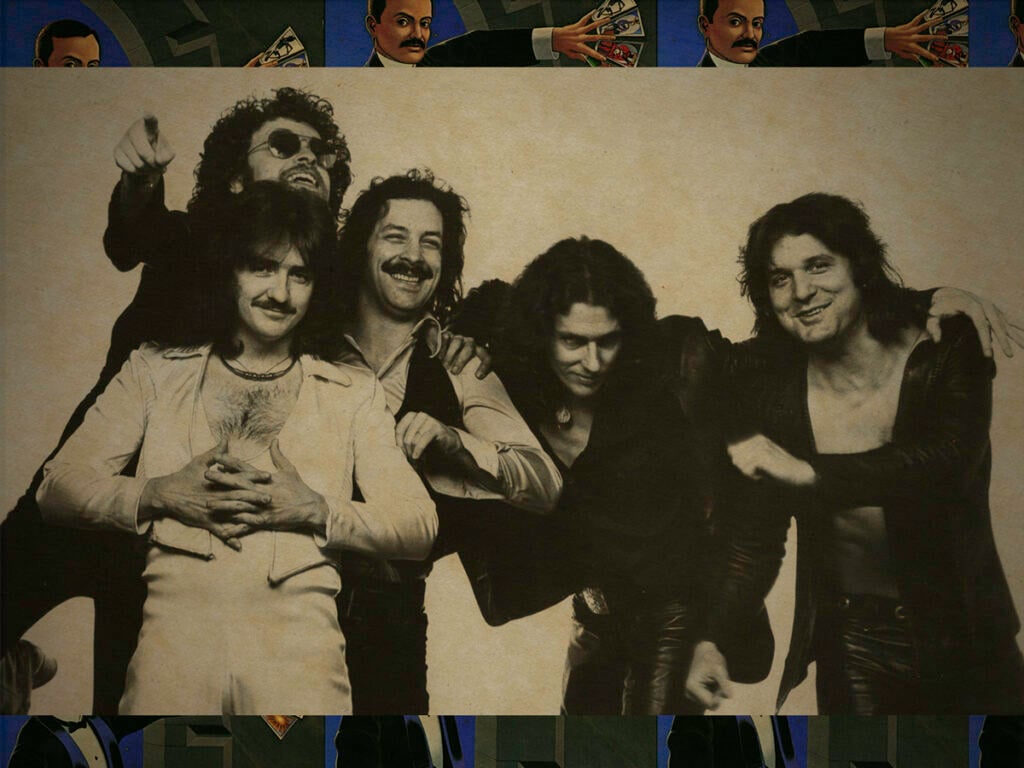
Blue Öyster Cult’s 1976 classic ‘(Don’t Fear) The Reaper’ was inspired partly by songwriter Buck Dharma’s diagnosis of an irregular heartbeat, which prompted him to confront his own mortality. The article presents the song as enduring because it turns fear of death into a reflection on love, continuity and the possibility of transcendence.
Dharma drew on literature about death, love and the occult, with Shakespeare’s ‘Romeo and Juliet’ a particular influence. Although its lyrics have sometimes been interpreted as endorsing suicide, Dharma has said the song concerns the cycle of life and death and the survival of the spirit; it became the band’s defining hit and an influential hard-rock record.
In short
- An irregular heartbeat inspired Buck Dharma’s meditation on mortality.
- Shakespeare helped shape the song’s themes of love and death.
- ‘(Don’t Fear) The Reaper’ became Blue Öyster Cult’s signature classic.
Explained simply
Blue Öyster Cult's "(Don't Fear) The Reaper" was released in 1976 and became the band's most successful and prominent song. Songwriter Buck Dharma wrote it after experiencing a health scare when he was diagnosed with an irregular heartbeat.
Rather than treating his diagnosis as merely personal, Dharma transformed it into a broader exploration of death, love and the possibility of spiritual transcendence. He drew on literary sources including Shakespeare's Romeo and Juliet to develop themes about the cycle of life and human connection.
The song has occasionally been misinterpreted as endorsing suicide, though Dharma has clarified that it concerns the natural progression of mortality and the endurance of the human spirit. Its influence on hard-rock music and continued recognition over decades have made it one of the genre's most significant and lasting works.
Art Culture Entertainment Music