Business news and discussion on TalkFuse.
Woodstock 1969 Was Defined by This Surreal Performance From the Band You’d Least Expect
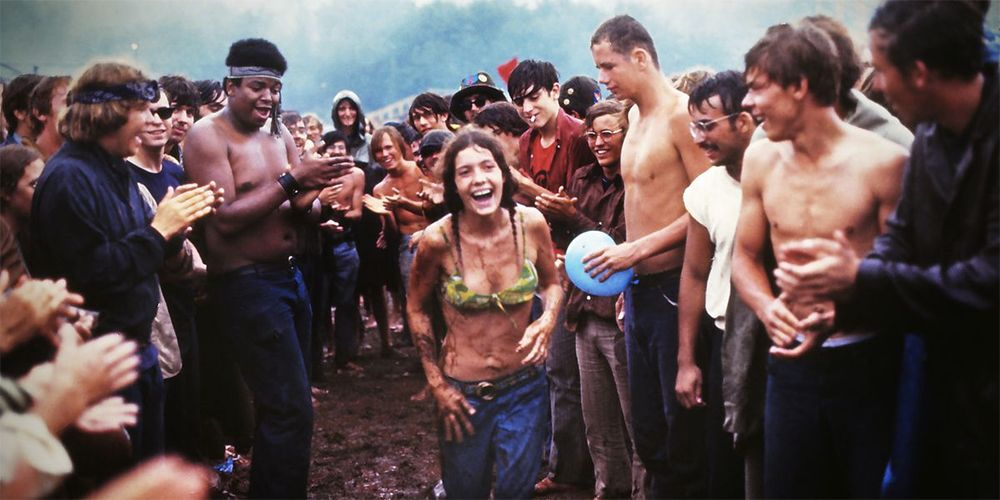
A new retrospective revisits Jefferson Airplane's chaotic set at the 1969 Woodstock festival, arguing it stands out as one of the event's most memorable performances despite the band never becoming headline-grabbing Woodstock legends in the way Jimi Hendrix or The Who did. The piece highlights how the band's psychedelic sound and improvised, hazard-strewn performance captured the disorganised, free-spirited essence of the festival itself, making it emblematic of the wider Woodstock experience.
Jefferson Airplane had originally been booked to headline on the Saturday night but, owing to Woodstock's notoriously loose scheduling and poor infrastructure, did not actually take to the stage until around eight o'clock on Sunday morning, greeting the exhausted but euphoric crowd of nearly half a million people. Frontwoman Grace Slick opened with the now-famous line about "morning maniac music" and a "new dawn". Adding to the surreal atmosphere, band members had unwittingly consumed LSD roughly fifteen minutes before going on stage, yet still delivered what the article describes as a breathtaking set.
In short
- Jefferson Airplane's Woodstock 1969 set is called a defining, underrated moment
- Scheduled Saturday, they didn't play until 8am Sunday due to delays
- Band accidentally took LSD minutes before their acclaimed performance
Steelman: both sides, in good faith
The strongest fair case each way — we don't pick a winner.
The case for
Jefferson Airplane's performance deserves greater recognition as emblematic of Woodstock's true character—spontaneous, experimental, and authentically countercultural. The chaos and unscripted nature that distinguishes it from polished performances by other bands makes it more genuinely representative of the era's ethos of breaking boundaries and prioritising authentic experience over commercial perfection. The performance mattered precisely because it captured something true about the festival that transcends conventional measures of success.
The case against
Whilst Jefferson Airplane's performance was undoubtedly memorable, elevating it risks confusing spectacle with significance. The artists who became Woodstock legends—Hendrix, The Who—achieved enduring status through exceptional musicianship and artistic achievement, not through chaos or performers' impaired states. Retrospectively celebrating an unpolished, drug-fuelled set as culturally important arguably reflects a romanticised view that prioritises the appearance of authenticity over genuine artistic excellence and the responsibility artists bear to their audiences.
Explained simply
Woodstock was a three-day music festival held in upstate New York in August 1969 that attracted nearly half a million people and became a defining cultural moment of the 1960s. The festival featured major rock acts of the era and has since been remembered as the ultimate symbol of counterculture idealism and experimentation. Different performances at Woodstock carried different cultural weight in how people have come to understand the event.
Jefferson Airplane was a San Francisco-based psychedelic rock band that played at Woodstock but did not achieve the same iconic status at the festival as performers such as Jimi Hendrix or The Who. The band was originally scheduled to headline on Saturday night but performed much later, around eight o'clock on Sunday morning, in front of an exhausted but energised crowd. Frontwoman Grace Slick's opening remarks about "morning maniac music" and a new dawn set the tone for the band's set.
Jefferson Airplane's performance stood out because of the unusual circumstances surrounding it and the way their psychedelic sound and improvisational style reflected the festival's own chaotic, free-spirited nature. The band members had unknowingly consumed LSD roughly fifteen minutes before taking the stage, adding to the surreal quality of the performance. Their set captured something essential about what made Woodstock distinctive as a cultural event.
Business Entertainment Markets Music