Technology news and discussion on TalkFuse.
AI builds virtual homes where robots learn from their mistakes
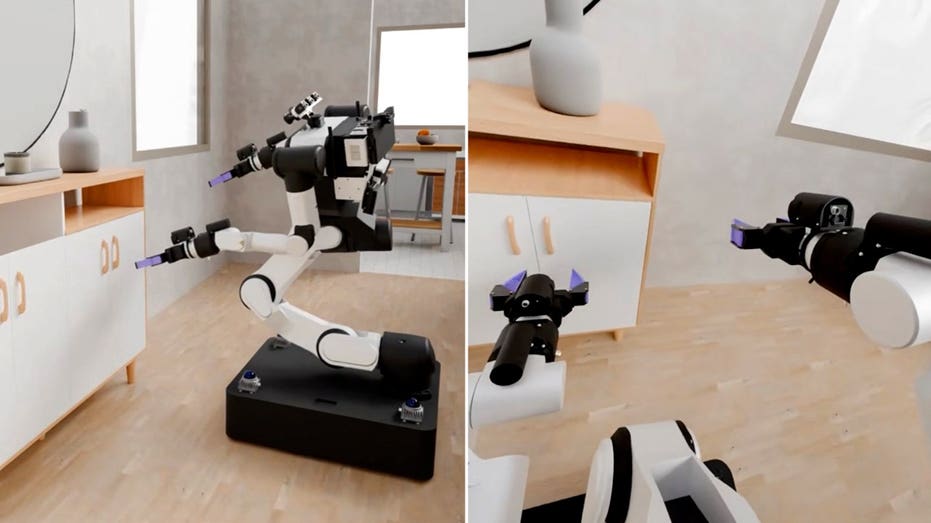
Researchers at MIT's Computer Science and Artificial Intelligence Laboratory, working with the Toyota Research Institute, have developed an AI system called SceneSmith that generates detailed virtual homes to help robots learn everyday tasks before attempting them in the real world. This matters because household chores that humans perform without thinking, such as putting away a mug, require robots to navigate clutter, avoid obstacles and identify the correct location, making such tasks surprisingly difficult to master through real-world training alone.
SceneSmith uses AI agents to build 3D indoor environments from simple text prompts, creating varied rooms and scenarios in which robots can rehearse actions and identify flawed strategies safely. By exposing weaknesses in a robot's planning within these simulated spaces, the system aims to reduce the time and hands-on supervision currently needed to prepare robots for real homes and workplaces.
In short
- MIT and Toyota built SceneSmith, an AI tool creating virtual training homes
- Robots practise chores in AI-generated 3D rooms before real-world use
- Aim is to cut training time and reduce need for human supervision
Steelman: both sides, in good faith
The strongest fair case each way — we don't pick a winner.
The case for
Developing household robots with improved training methods represents genuine progress toward automating tedious and potentially hazardous household tasks. Such technology could significantly enhance independence for elderly and disabled people whilst removing workers from dangerous or repetitive labour. Simulation-based training is both responsible and efficient, enabling safe development and testing before real-world deployment.
The case against
Widespread household robotics raises legitimate concerns about economic displacement for workers in domestic services and care sectors who depend on such employment. Deploying autonomous systems in intimate home environments also presents genuine privacy, security and safety challenges that require extensive real-world validation beyond simulation. Additionally, expensive household robots risk deepening inequality, and critics reasonably argue that outsourcing household care weakens the human connections and mutual dependence that sustain communities.
Explained simply
Robots find everyday household tasks challenging despite their apparent simplicity. Putting away a mug, for example, requires a robot to navigate around obstacles, avoid bumping into things and identify the correct storage location. Teaching robots to do such tasks through real-world practice alone is time-consuming and difficult.
Researchers at MIT's Computer Science and Artificial Intelligence Laboratory and Toyota Research Institute have developed a system called SceneSmith that generates detailed virtual homes. These simulated environments allow robots to practise everyday tasks and test different approaches in a safe space before attempting them in actual homes.
By rehearsing in virtual spaces, robots can identify flaws in their planning without supervision or risk of damage. This approach could reduce the time and hands-on supervision currently needed to prepare robots for real-world use in homes and workplaces.
AI Environment Science Technology World