Culture news and discussion on TalkFuse.
Former PlayStation boss Shawn Layden wants to save games by bringing back double-A – and he has a plan
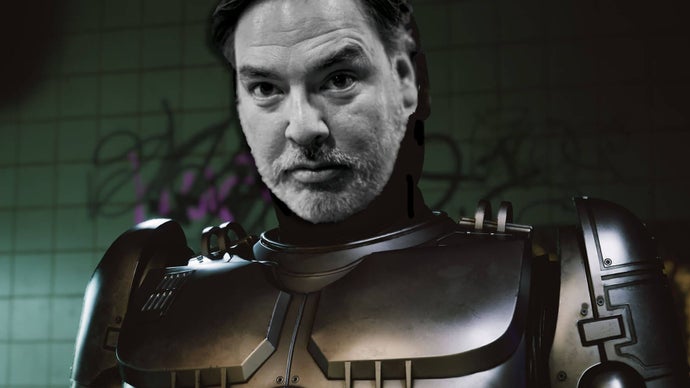
Former PlayStation worldwide studios chairman Shawn Layden is developing a plan to revive "double-A" games, arguing that ballooning triple-A development budgets have made much of the industry financially unsustainable. He says the games sector has long relied on a publishing model largely unchanged since the early 1990s, which favours ever-bigger blockbuster productions while leaving little room for the mid-sized, more focused titles that could broaden gaming's cultural and commercial appeal.
Layden has previously noted that development costs roughly double each console generation, citing PS4-era top-tier games reaching around $150 million before marketing, with PS5 titles potentially heading towards $300-400 million. Reported examples include The Last of Us Part 2 rising to about $220 million from Uncharted 2's $20 million, Call of Duty: Black Ops Cold War at a reported $700 million, and Grand Theft Auto 6 estimated at over $1 billion. Double-A games, made by smaller teams of roughly 70 or fewer people and cited examples like Lies of P, RoboCop: Rogue City and Space Marine 2, are pitched as a cheaper, more sustainable alternative that could still find a strong audience.
In short
- Shawn Layden is planning a push to revive double-A games
- Triple-A budgets are described as spiralling and unsustainable
- GTA 6 reportedly cost over $1 billion; smaller teams offer an alternative
Steelman: both sides, in good faith
The strongest fair case each way — we don't pick a winner.
The case for
Proponents of double-A revival argue that the industry has locked itself into an economically dangerous cycle where only mega-budgets attract investment, stifling creative diversity and forcing publishers toward ever-safer bets. They contend that proven successes like Lies of P and Space Marine 2 demonstrate genuine consumer appetite for quality mid-sized titles, and that digital distribution, subscription services, and new marketing approaches have fundamentally altered economics since the publishing model was established in the 1990s. Investing in smaller, focused teams, they argue, would strengthen the industry's long-term viability, broaden its cultural appeal, and enable the innovation that gets strangled when all resources flow toward blockbuster tentpoles.
The case against
Critics counter that ballooning budgets reflect legitimate technical and creative demands: modern development genuinely requires sophisticated technology, premium talent, extensive motion capture, and voice acting that audiences demonstrably expect. They point to market evidence suggesting mid-budget games occupy a precarious position, lacking either the cutting-edge production values of triple-A titles or the distinctive artistic vision that attracts indie audiences. Rather than restricting ambition, they argue, the solution lies in evolving business models—subscription services, live-service economics, and platform strategies—that can sustain diverse game types without abandoning the blockbuster productions players clearly value.
Explained simply
The video game industry is caught in a cost spiral. Development budgets for major games have grown dramatically, with some productions now costing hundreds of millions to develop. This economic pressure has made the industry's publishing model, largely unchanged since the early 1990s, increasingly difficult to sustain.
Shawn Layden, who previously oversaw PlayStation's worldwide studios, is advocating for a return to double-A games as a solution. These are mid-scale productions made by smaller teams that cost far less than blockbuster releases but could still appeal to large audiences. Examples cited include titles like Lies of P and Space Marine 2, which offer substantial scope without the budgets of contemporary blockbusters.
Layden's argument rests on a question about diversity and sustainability. When publishers concentrate resources on expensive blockbusters, smaller and medium-scale projects struggle to find funding, potentially limiting the variety of games that reach players. A return to the double-A model could allow the industry to support multiple types of projects rather than relying almost entirely on blockbusters.
Art Culture Entertainment Gaming