Culture news and discussion on TalkFuse.
Early ’90s animation tools were so primitive that Doom’s lead artist says he pretty much did the whole thing with ‘the undo key’
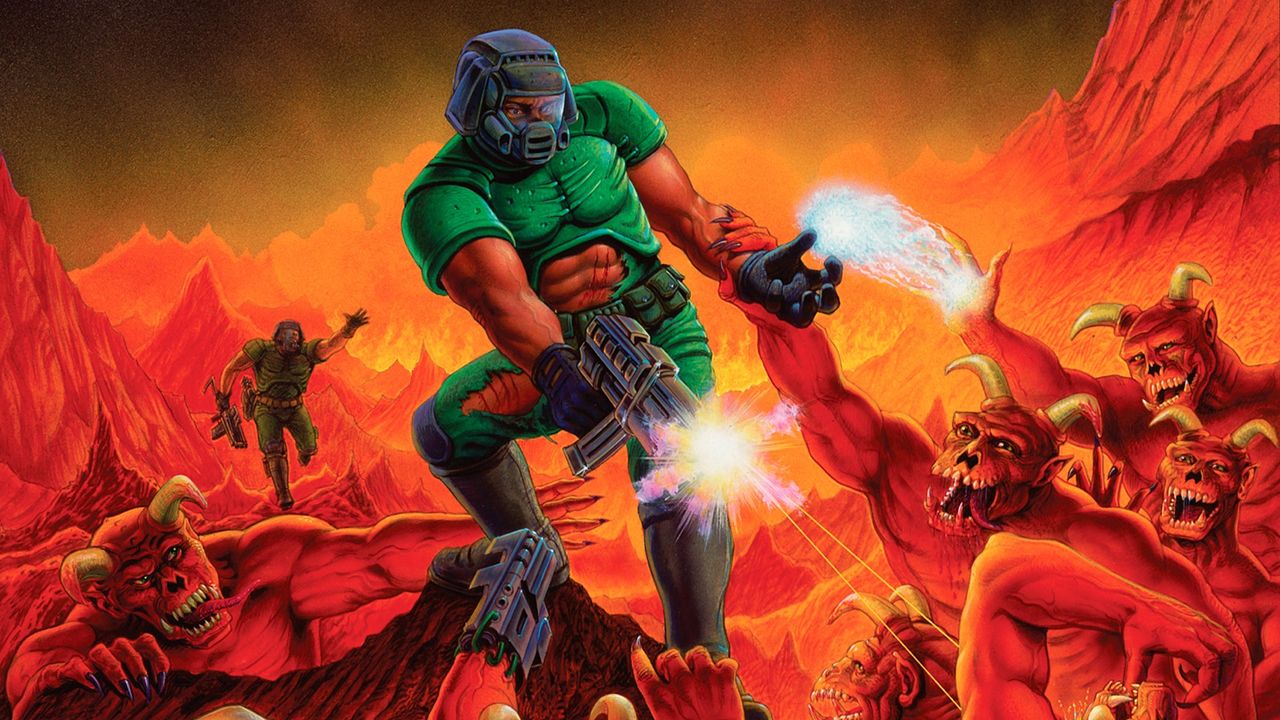
Adrian Carmack, Doom's lead artist, described in a recent interview how he produced the game's sprite animations during the early 1990s using an improvised technique. Lacking access to dedicated animation tools, he repurposed Deluxe Paint's undo feature, toggling back and forth between frames to assemble the animation sequences that would bring Doom's enemies and weapons to life.
This workaround reflected the primitive capabilities of digital art software at the time combined with the inherent structure of Doom's sprite-based graphics, which relied on a relatively small number of discrete frames rather than smooth model transitions. Carmack's pragmatic approach to overcoming these technical limitations earned recognition from his id Software teammates, illustrating how artist ingenuity could compensate for inadequate development tools.
In short
- Doom's lead artist Adrian Carmack created sprite animations by repeatedly using the undo function in Deluxe Paint, cycling through frames to build motion loops
- Early 1990s digital art tools were so limited that developers had to improvise workarounds rather than rely on purpose-built animation software
- His colleagues at id Software were impressed by this creative technical solution to the constraints of the era
Explained simply
Doom is a landmark video game released in 1993 that revolutionised the industry with its fast-paced gameplay and technical innovation. It became one of the most influential games ever created, helping establish computer gaming as a mainstream medium.
Creating animations for games in the early 1990s required artists to produce sequences of still images that, when shown rapidly in succession, created the illusion of movement. The specialised software tools available today did not exist when Doom was being developed, forcing artists to work with severely limited resources.
The constraints artists faced during this period meant they often had to devise creative solutions using whatever tools were available to them. Understanding how Doom's creators overcame these technical limitations provides insight into early game development and the ingenuity required to build landmark games with primitive technology.
Art Culture Entertainment Music