Politics news and discussion on TalkFuse.
4 House Republicans rebel against Trump, vote with Dems to block Iran war powers
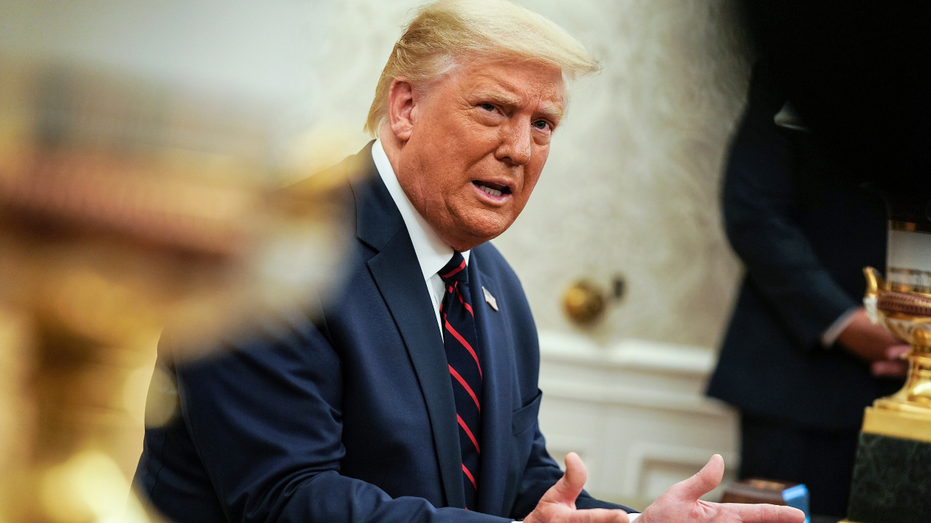
Four Republican members of the US House of Representatives broke with President Donald Trump on Thursday, joining Democrats to pass a war powers resolution disapproving of American military action against Iran. The vote is a notable rebuke of Trump's Iran policy from within his own party, though it carries mostly symbolic and political weight rather than an immediate legal halt to operations, given the broader constitutional and practical constraints on such resolutions.
Democratic Representatives Jason Crow of Colorado and Pramila Jayapal of Washington forced the vote using a "privileged resolution", a procedural mechanism that lets rank-and-file members bring legislation to the floor even against the wishes of House Republican leadership. The resolution passed 214-208, with voting largely along party lines except for the four Republican defectors, and it calls for halting military conflict against Iran unless Congress explicitly authorises it.
In short
- Four House Republicans joined Democrats to pass an Iran war powers resolution.
- The 214-208 vote disapproves of military action against Iran without Congress's approval.
- Democrats used a procedural manoeuvre to force the vote onto the floor.
Steelman: both sides, in good faith
The strongest fair case each way — we don't pick a winner.
The case for
The Constitution vests Congress, not the President, with the power to declare war and direct military operations. Requiring explicit congressional authorisation for military action against Iran upholds this foundational separation of powers and ensures that decisions to commit the nation to armed conflict reflect the will of the people's elected representatives. This principled check on executive power serves the Founders' intent to prevent unilateral war-making and is entirely consistent with effective governance.
The case against
The President, as Commander-in-Chief, requires operational flexibility to respond swiftly to security threats without awaiting prior congressional approval for tactical military decisions. Constraining executive authority through restrictive war powers resolutions can undermine national defence capabilities and impose dangerous delays when the nation faces imminent threats. The Constitution distinguishes between formal declarations of war and the President's inherent authority to direct military operations, and Congress retains full power to withhold funding or authorise broader action if circumstances warrant.
Explained simply
President Trump has pursued a hardline approach to Iran policy, and there are indications that military action against Iran may be under consideration. War powers resolutions are formal statements through which Congress expresses approval or disapproval of military action by the President, particularly when Congress has not explicitly authorised such action.
Lawmakers voted this week to pass a war powers resolution opposing military action against Iran without explicit Congressional approval. The resolution passed because four Republican members of Congress voted alongside Democrats, providing the necessary support.
Members of Congress typically vote along party lines on major foreign policy matters, so it is unusual for four Republicans to break ranks in this way. Whilst such resolutions carry mainly symbolic and political weight rather than legal force, this vote demonstrates that Trump's Iran policy faces opposition even from within his own party.
Elections Middle East Politics World