Nicaragua’s legislature debates barring opposition from elections
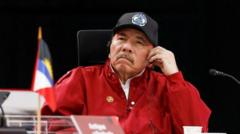
Nicaragua’s government-controlled National Assembly is debating measures that could prevent opposition parties from contesting future elections, with a vote expected in early August. The proposal follows President Daniel Ortega’s declaration that opposition groups would no longer be allowed to use elections to gain power, prompting condemnation from the UN and the United States over Nicaragua’s increasingly authoritarian rule.
Ortega, 80, has governed since 2007 and won the 2021 presidential election after leading opposition candidates were arrested, disqualified or forced into exile. A constitutional reform passed in November 2025 extended presidential terms from five to six years and made his wife, Rosario Murillo, co-president; critics say the latest move could formalise Nicaragua as a one-party state.
In short
- Nicaragua may bar opposition parties from future elections.
- Ortega’s remarks drew UN and US condemnation.
- Critics fear a formal one-party system.
Explained simply
Daniel Ortega has governed Nicaragua since 2007 and is currently 80 years old. He won re-election in 2021 after opposition candidates were arrested, disqualified or forced into exile, and his government controls the National Assembly. A constitutional reform passed in November 2025 made his wife, Rosario Murillo, co-president and extended presidential terms from five to six years.
The National Assembly is debating measures that would prevent opposition parties from contesting future elections, following Ortega's declaration that opposition groups should no longer be allowed to use elections as a path to power. Critics warn that such moves could formalise Nicaragua as a one-party state. The proposals have already drawn criticism from the United Nations and United States over what they characterise as increasingly authoritarian rule.
Nicaragua's opposition has been substantially weakened in recent years through arrests, disqualifications and exile. Removing opposition parties from elections entirely would leave no organised electoral challenge to the government.
Art Culture Elections Government Politics World